Why Suspension Parts Quality Is Non-Negotiable
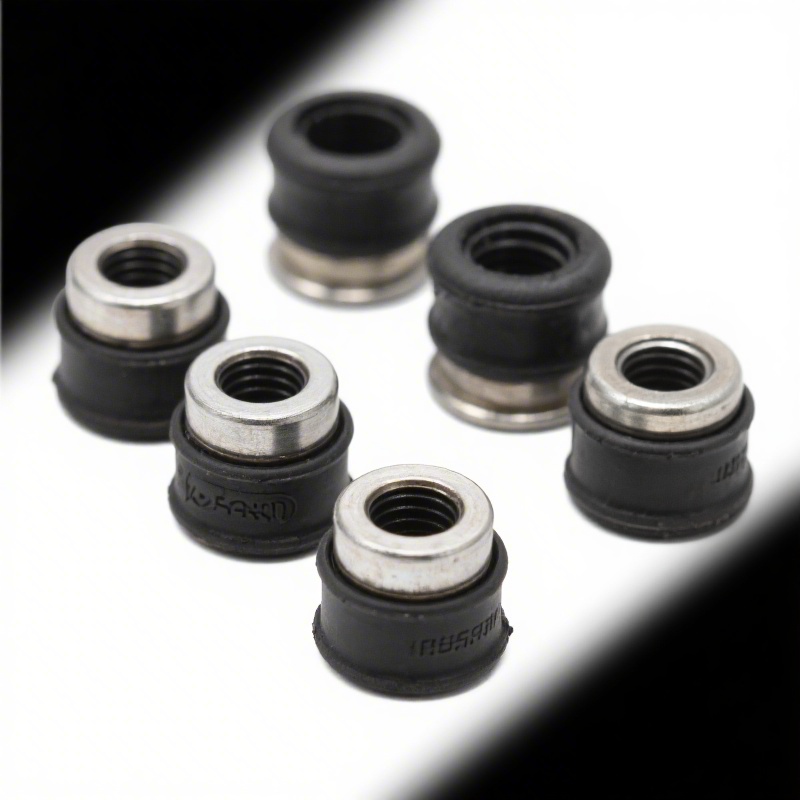
Suspension parts — control arms, ball joints, and tie rod ends — are safety-critical car parts. A failed ball joint or broken control arm at highway speed can cause loss of vehicle control with fatal consequences. In most export markets, importers who supply defective safety parts face product liability exposure — regardless of where the parts were manufactured.
This is not a reason to avoid sourcing suspension parts from China. Chinese Tier-1 factories supply millions of OEM-equivalent aftermarket suspension parts to markets worldwide. It is a reason to be rigorous in supplier selection — which is exactly what this guide is designed to help you do.
Grade A vs Economy: What the Numbers Actually Mean
Most Chinese suspension parts factories grade their output as "Grade A," "Grade B," or "Economy." These grades are not regulated — they are marketing labels. Here is what the technical specifications actually look like:
| Specification | Grade A Suspension Parts | Economy Grade |
|---|---|---|
| Ball joint stud steel | 42CrMo4 / SAE 4140 (alloy steel) | Q235 mild steel |
| Bushing material | Natural rubber (70–75 Shore A hardness) | Recycled rubber blend |
| Surface treatment | Zinc phosphate + electrophoretic coating (E-coat) | Paint only |
| Fatigue cycle test | 500,000+ cycles minimum | Not tested |
| Salt-spray corrosion test | 500+ hours (E-coat protection) | Under 100 hours or not tested |
| MOQ for wholesale | 20–50 units per SKU | 50–100 units (cheaper price attracts buyers) |
View our Grade A suspension parts cross-reference →
Control Arms — Forged vs Stamped Manufacturing
OEM control arms are almost universally forged — the closed-die forging process aligns the grain structure of the metal along the primary load paths, producing a part with superior fatigue resistance. Aftermarket control arms from cheap Chinese suppliers are often stamped from flat sheet steel, which is faster and cheaper but produces a structurally weaker component.
You can typically identify a stamped arm by three characteristics: visible weld seams along the arm body, noticeably lower weight (forged arms are heavier due to denser material), and a lack of OE-style bushings pre-pressed into the housing. Always ask the control arm supplier China to confirm the manufacturing process in writing — genuine forging factories are proud to provide this specification.
Ball Joints — Load Ratings & Grease Type
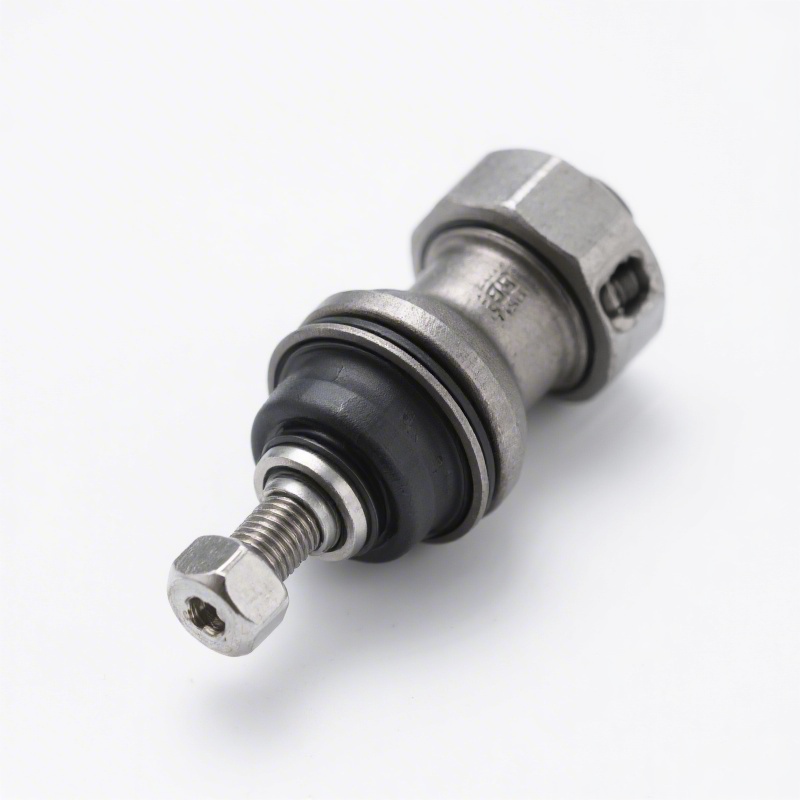
Ball joints specify both an axial load rating (typically 8–25 kN for passenger cars) and a radial load rating. A supplier offering ball joints across all applications at a single "universal" specification should raise an immediate red flag. Different vehicle platforms — compact sedans vs. full-size SUVs — have very different suspension load profiles.
For distributors exporting to hot-climate markets — GCC countries, Southeast Asia, West Africa — grease specification is critical. High-temperature lithium-complex grease or molybdenum-disulfide (MoS2) grease maintains its lubricating properties at sustained high temperatures (up to 180°C) where standard lithium grease degrades. Always verify the grease type before placing a ball joint wholesale order.
Browse our ball joint catalog with load ratings →
Tie Rod Ends — Why Taper Angle Accuracy Matters
The tapered shank of a tie rod end must match the OE taper angle to within ±0.5°. A 5° deviation causes the stud to bottom out in the steering knuckle taper before achieving the correct clamping force — the castle nut will feel tight, but the joint is insecure and will progressively loosen. Always verify the taper angle from the supplier's engineering drawing before approving bulk production.
For steering suspension parts wholesale buyers, a reputable factory will supply both dimensional reports and a pilot sample before full production. This is the single most cost-effective quality control step available — a $200 pilot sample is far cheaper than a rejected container.
Certifications That Separate Real Suppliers from Trading Brokers
When sourcing suspension parts China wholesale, certifications narrow the field quickly:
- IATF 16949:2016 — the automotive quality management standard. Verify the certificate scope explicitly covers suspension components — some factories hold IATF for unrelated product lines.
- E-Mark / ECE R79 (for steering components) — mandatory in EU markets and increasingly required in GCC countries for steering system parts.
- AMECA / SAE J2005 — the standard referenced by North American state vehicle inspection authorities for aftermarket ball joint performance criteria.
A factory holding IATF 16949 with a specific scope covering aftermarket suspension parts has passed regular third-party audits. That does not guarantee every part is flawless, but it establishes a meaningful quality baseline that casual brokers cannot replicate.
How to Order Suspension Parts in Bulk from China
Kingmay Auto Parts supplies a complete range of suspension parts — control arms, ball joints, tie rod ends, strut mounts, and sway bar links — at competitive China car parts wholesale prices. All parts are sourced from IATF 16949-certified factories and inspected before dispatch from our Nansha Port warehouse.
Browse our complete suspension & steering catalog with Grade A specifications and pricing. For a custom bulk quotation based on your target market and volume, contact our team or reach us directly on WhatsApp.
Globalucar / Kingmay Auto Parts — Your reliable wholesale partner for automotive suspension parts from China.
Verify Part Numbers in Our OE Library
Every part covered in this guide has a matching OE number in our reference library — grouped by system with cross-references, so you can source the exact fit for Hyundai, Kia, GM Korea and more.
Related Articles


Related Products
From our Suspension System catalog — 4 products ready for export