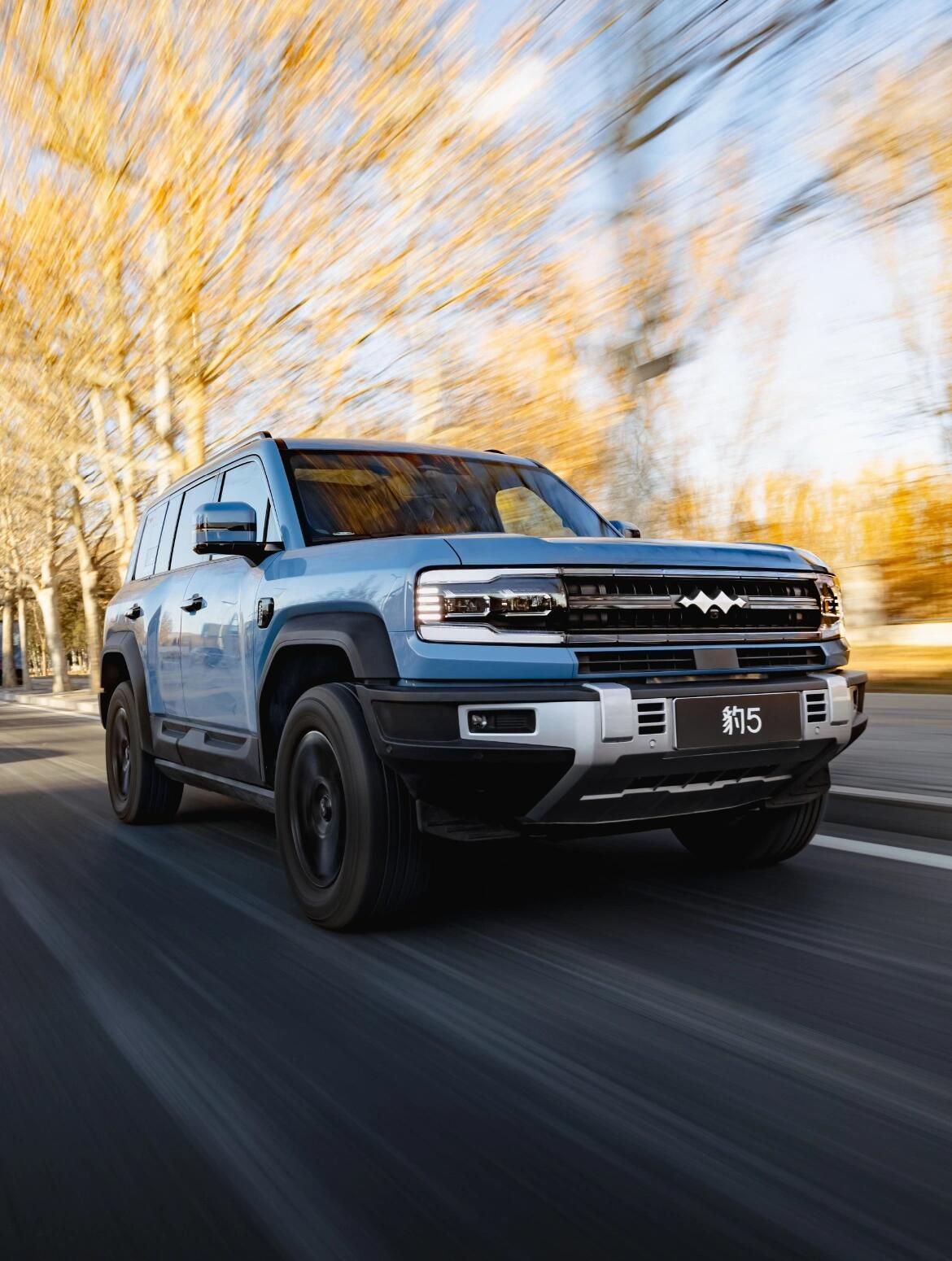
Why Import Chinese Cars in 2026 — And Who Should Be Doing It
China produced 31 million passenger vehicles in 2025 — more than the EU and USA combined. Brands like BYD, Chery, MG, and Great Wall have moved well past the "cheap copy" era. Today, a BYD Han EV competes directly with a Tesla Model 3 on range and build quality, at 20–30% lower landed cost for buyers in import Chinese cars markets. Globalucar Vehicle facilitates new car export from Guangzhou Nansha Port to buyers in Southeast Asia, the Middle East, Africa, and Latin America.
Chinese cars export has become a major global business, with thousands of vehicles leaving Chinese ports every week.For importers in these markets, the pricing gap between Chinese domestic vehicles and equivalent models from Japanese, Korean, or European brands represents a genuine commercial opportunity — if you understand the export process. This guide covers the complete step-by-step process for importing new Chinese cars in 2026.
Choosing the Right Model & Spec for Your Export Market
Not every model sold domestically in China is export-homologated. Before discussing price, confirm three critical specifications:
- RHD availability — if your market drives on the left, confirm the factory offers right-hand drive. BYD, MG (SAIC), GWM, and Chery all offer RHD variants for export markets including Australia, Southeast Asia, and the UK.
- Emissions standard — most new Chinese cars meet Euro 6 / China 6 natively, which satisfies requirements in most markets. Check with your national standards authority.
- Charging standard (for EVs and PHEVs) — China uses GB/T natively. Export models to Europe and many other markets typically include CCS2 or offer CCS2 adaptor kits. Always verify the connector type before ordering.
Browse our new car export catalog →
Understanding FOB Price vs Domestic Retail Price
The price a dealer advertises in China is the domestic retail price including 13% VAT and dealer margin. Your actual FOB (Free on Board) price at Guangzhou or Tianjin port is the meaningful figure for export pricing. Understanding this difference is essential for every Chinese cars import negotiation.
| Cost Component | Typical Range |
|---|---|
| Factory ex-works price | Starting point |
| Export VAT rebate (recovered by exporter) | -13% |
| Inland transport to Nansha Port | +$200-$600 per vehicle |
| Export customs & documentation | +$150-$350 per vehicle |
| FOB Nansha Port (net effective price) | Your actual import cost |
On a $20,000 domestic retail vehicle, the FOB price at Nansha Port is typically $17,000-$18,500 after VAT rebate and export documentation costs.
Export Documentation Checklist for Chinese Vehicle Imports
Complete and accurate export documentation is critical for smooth customs clearance in the destination country. Globalucar handles documentation as part of our export service:
- Commercial Invoice — stated at FOB value for customs purposes
- Packing List — vehicle details, weights, dimensions
- Bill of Lading (B/L) — issued by the shipping line; the legal document of title
- Certificate of Origin (FORM A or FORM E) — enables preferential tariff treatment under ASEAN-China FTA and GSP schemes
- Vehicle Inspection Certificate — issued by China Customs for each vehicle
- Engine/VIN Declaration — VIN list for each vehicle in the shipment
Homologation & Type Approval Requirements by Market
This is where most first-time new car import buyers underestimate costs and timelines. Type approval (homologation) requirements vary significantly by destination market:
- ASEAN markets (Thailand, Malaysia, Indonesia): Generally accept UN ECE regulations. The process takes 3–6 months and costs $5,000–$15,000 per model. BYD and Chery have already obtained ASEAN approval for several models.
- GCC countries (UAE, Saudi Arabia, Oman): ESMA approval required for all vehicles. Major Chinese car brands including BYD and Chery already hold ESMA certification for core models — reducing your timeline and cost.
- Africa (non-FTA markets): Many African countries accept a Certificate of Conformity (CoC) without requiring a full separate test program. Cost: $800–$2,500 per model. Contact us to confirm requirements for your specific country.
Shipping from Nansha Port: RoRo vs Container Options
Globalucar ships all vehicles from Nansha Port, Guangzhou — the closest deep-water port to the Pearl River Delta automotive manufacturing cluster. Two main shipping methods are available:
- RoRo (Roll-on/Roll-off): The most cost-effective option for standard new Chinese cars. $800-$1,800 per vehicle to Southeast Asian ports. Weekly RoRo departures from Nansha Port.
- Container (20'HC / 40'HC): Recommended for high-value, modified, or left-hand-drive vehicles destined for right-hand-drive markets where cosmetic protection is important. 1 vehicle per 20' HC, 2–3 vehicles per 40' HC. Cost: $1,200-$3,500 per vehicle.
- Transit times: 7–14 days to Southeast Asia; 20–30 days to Middle East and East Africa.
How Globalucar Simplifies the New Car Import Process
Globalucar Vehicle manages the entire new car export process on your behalf — from factory sourcing and quality inspection at origin to documentation, RoRo/container booking, and port-to-port delivery. We work with our bonded warehouse at Nansha Port to consolidate vehicles from multiple factories under one roof.
Contact Globalucar for a full landed cost calculation to your specific destination port, including shipping, insurance, and customs clearance estimates. For fast inquiry, reach us on WhatsApp.
Globalucar Vehicle — Your reliable wholesale partner for importing new Chinese cars in 2026.
Verify Part Numbers in Our OE Library
Every part covered in this guide has a matching OE number in our reference library — grouped by system with cross-references, so you can source the exact fit for Hyundai, Kia, GM Korea and more.
Related Articles
Related Products
From our Vehicle Export catalog — new & used cars ready for international delivery
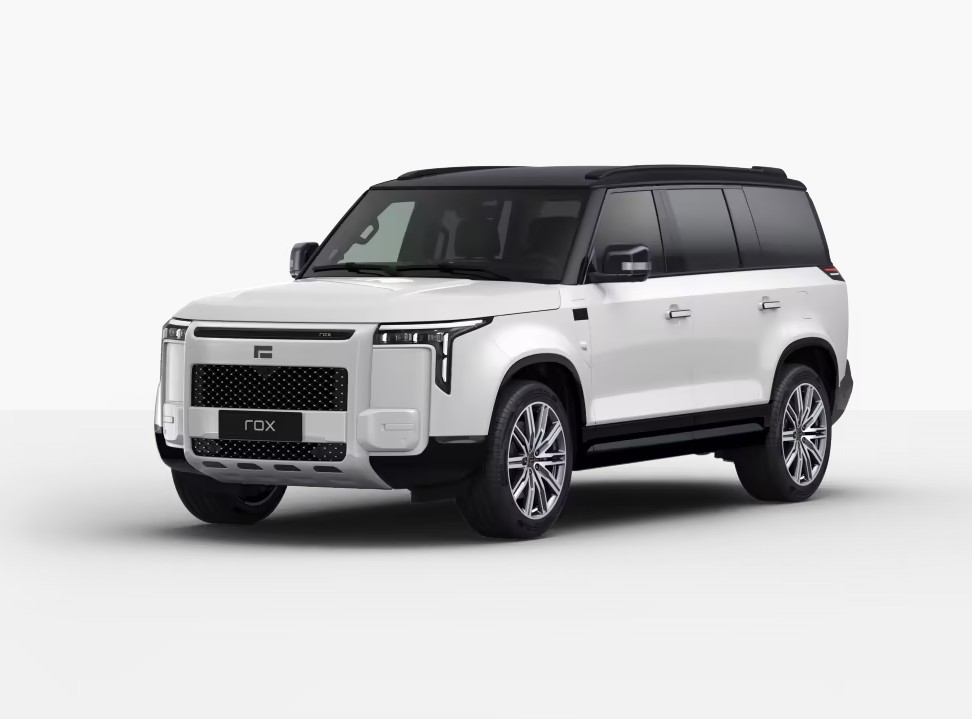
Full-Size EREV SUV
2026 Rox Adamas EREV 215km 6-Seat Executive Edition
USD 53,000 FOB Guangzhou
View Details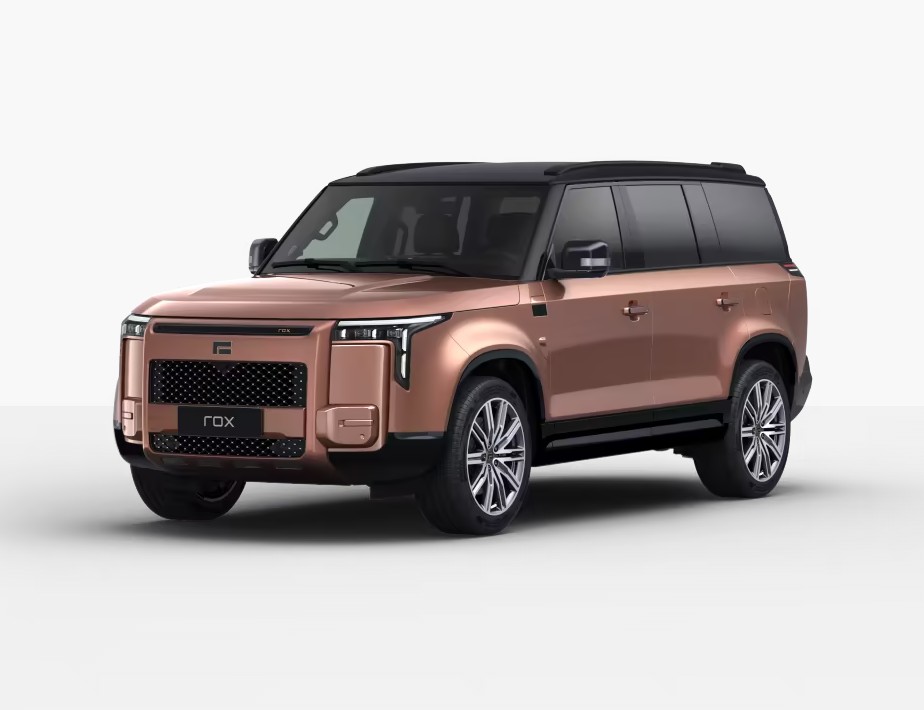
Full-Size EREV SUV
2026 Rox Adamas EREV 215km 7-Seat All-Terrain Edition
USD 51,500 FOB Guangzhou
View Details