Hyundai and Kia are the two largest vehicle brands in the Globalucar catalogue, and they are also the easiest to buy badly. Korean part numbers look interchangeable across model years, the aftermarket copies a genuine number down to the hyphen, and the difference between a part that fits and a part that fails in six months is usually a material certificate nobody asked for. This is the buyers’ guide to sourcing Hyundai and Kia parts out of China, written around what the OE number actually tells you and what it does not.
Why Korean Parts Need a Different Method
Sourcing Korean parts is not the same exercise as sourcing Toyota or Volkswagen parts, for three reasons that shape every decision below.
First, the part numbering is dense. A single model line generates hundreds of closely related numbers that differ by trim, market and production month, and two references one digit apart can be genuinely different parts. Second, the aftermarket copies the numbers. A box printed with a Hyundai-format reference tells you nothing about who made the part inside it. Third, genuine supply is controlled: factory parts for current models move through the manufacturer's own distribution, so what an independent Chinese exporter can legitimately offer is replacement parts built to the OE specification, not dealer-boxed genuine stock.
None of this makes Korean parts a bad category — it is one of the highest-volume replacement segments in Africa, the Middle East, Latin America and Central Asia, and Chinese supply is deep. It means the verification has to happen on the number and the material, not on the conversation. Our supplier verification process covers the company; this article covers the catalogue.
Genuine, OE-Spec and Aftermarket: Three Tiers
Most disputes in this category start with a buyer and a supplier using the same word for different things. Fix the vocabulary in the purchase order.
| Tier | What it is | Packaging and marking | What you can realistically buy in China |
|---|---|---|---|
| Genuine (OE service part) | Made by or for the vehicle manufacturer and distributed through its own channel | Branded box, manufacturer label, country-of-origin marking, traceable lot code | Rarely available from independent exporters at scale; treat any large offer with caution |
| OE-spec / OES | Made by a supplier that produces for the OE line, or to the same drawing and material spec, sold without the vehicle brand | Neutral or private-label box, part number traceable to the maker | The realistic target for a serious programme |
| Aftermarket | Built to fit and function, not necessarily to the OE material or tolerance | Supplier's own brand, generic or buyer's private label | Widely available, quality spread is wide, inspection decides |
Ask the supplier to state the tier in writing on the quotation, per line. "Genuine" in an email and "genuine" on an invoice are different claims, and only the second one is useful if you have to make it stick.
How to Read a Hyundai / Kia Part Number
Korean references follow a consistent shape: five digits, a hyphen, then a short alphanumeric suffix. The first block identifies the part group; the suffix carries the variant — side, trim, engine, market or revision.

| Reference | Family | What the suffix usually varies by |
|---|---|---|
| 04465-xxxxx | Disc brake pad set | Engine size, market, pad compound revision |
| 58101-xxxxx / 58110-xxxxx | Brake caliper (left / right) | Side, brake package, model year |
| 52810-xxxxx | Hub / axle seal and bearing group | Driveline, ABS or non-ABS |
| 27501-xxxxx | Ignition cable set | Engine code |
| 86350-xxxxx | Front grille | Trim level, camera or sensor provision |
| 92101-xxxxx / 92102-xxxxx | Headlamp (left / right) | Side, halogen or LED, market |
These patterns are indicative and must be verified against the specific VIN before ordering. The reliable method is: take the number off the part that is coming off the vehicle, confirm it against the catalogue for that VIN and production date, and only then ask for a quotation. Ordering from an application list alone is how containers of near-correct parts get shipped.
Two traps follow from this. A "replacement for" number is a cross-reference, not an equivalence claim — ask which dimensions and materials are held to the OE drawing and which are not. And a number shared across model years does not mean the parts are shared: a pad set may carry one reference across four years while the backing plate or compound changed twice.
Where Korean-Parts Suppliers Actually Cluster
China's Korean-parts trade is regional, and knowing the map saves a day at the fair.
- Guangzhou (Baiyun district and the parts markets around it) — the densest cluster of Hyundai and Kia specialists, heavy on chassis, brake, suspension, engine and electrical parts, with export consolidation through Nansha and Shenzhen. Most Canton Fair exhibitors in this category are based here.
- Yiwu — strong on lamps, body parts, filters and engines, priced for high-volume container buyers in Africa and the Middle East.
- Northern ports (Beijing traders shipping through Tianjin) — long-standing specialists in engine, brake, suspension, chassis and electrical systems for Hyundai and Kia, typically with their own Korean-market links.
- Shandong — manufacturing base for rubber, seals, filters and some chassis parts, geographically close to Korea and often the plant behind a Guangzhou trader's catalogue.
The practical question is not where the office is but where the parts are made. A Guangzhou trader quoting a Shandong plant's output can be a perfectly good supplier — but ask which plant, and whether you can inspect there. Combine this with the hall-by-hall walk-through if you are still on the floor.
Which Categories Travel Well in a Container
Freight economics decide the mix more than unit price does. A cheap bulky part can cost more to ship than it is worth; a small dense part can carry an entire container's margin.
| Category | Freight profile | Demand pattern | Inspection focus |
|---|---|---|---|
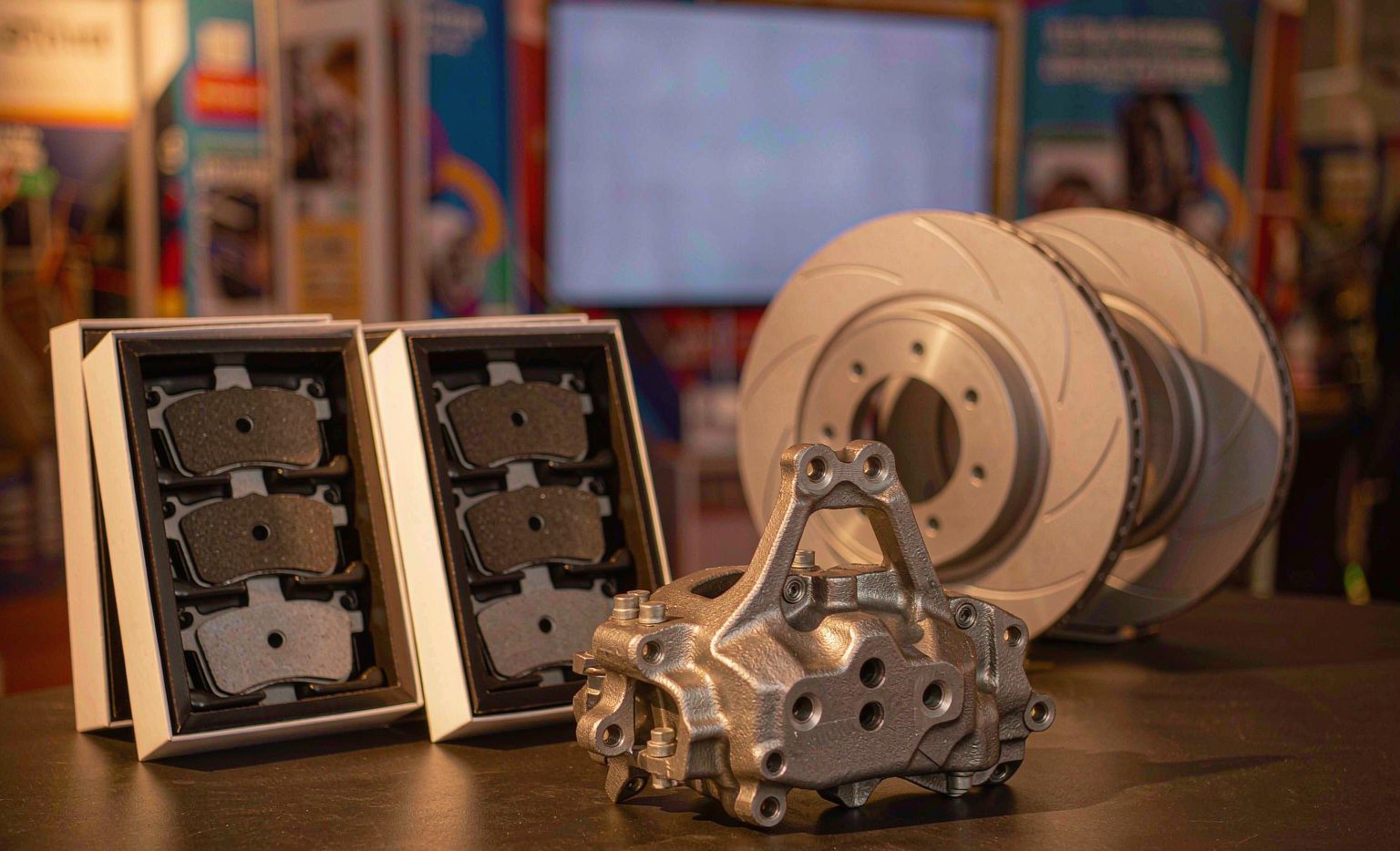
| Brake pads and shoes | Dense, ships well | Fastest-turning wear item in most markets | Compound and friction coefficient, backing plate flatness, ECE R90 where required |
| Filters (oil, air, fuel, cabin) | Bulky, low unit value | High volume, service-interval driven | Media fold count, gasket fit, bypass and anti-drainback valves |
| Suspension and steering | Heavy, moderate volume | Steady, road-condition driven | Hole alignment, ball joint torque, bush hardness, weld quality |
| Lamps and body parts | Bulky, damage-prone | Accident and replacement driven | Fitment, lens clarity, connector match, packaging protection |
| Sensors and electrical | Small, high unit value | Growing with vehicle age | Pin-out, signal output, sealing — functional test, not just visual |
| Rubber, seals and mounts | Light, cheap to ship | High-margin filler | Hardness, compression set, material batch record |
A first container usually works best as one dense anchor category — brake pads or suspension — plus light, high-margin fillers. Starting with a bulky low-value category is how a first shipment loses money while every line looks profitable.
Certifications That Mean Something, and Their Limits
Three marks come up repeatedly in this category. Know what each one covers.
- IATF 16949 — the automotive quality-management standard. It says the plant runs a documented system; it says nothing about whether the specific part you are buying is made on that line. Verify the certificate number, scope and validity in the issuing body's database rather than accepting a scan.
- ECE R90 — required for replacement brake pads and linings sold into markets applying the regulation. It governs friction performance within a tolerance band around the OE part, not overall quality. Ask for the test report, not the logo.
- ECE R13 / R10 / R118 — braking, electromagnetic compatibility and flammability respectively, relevant by destination and part type rather than universally.
The gap in all three is the same: they certify a process or a tested sample, not your lot. That is what the pre-shipment inspection and the material certificate are for.
Before the Container: The Five-Piece Sample Test
Samples are cheap; containers are not. Order five pieces of each critical reference — not one — and put them through this sequence before you commit volume.
- Fit it. On the actual vehicle or a known-good assembly. A sample that fits one trim and not the neighbouring one is telling you the cross-reference is incomplete.
- Measure it. Calipers on the critical-to-function dimensions against the drawing or an OE part. Photograph the readings.
- Weigh it. Weight is a fast proxy for material. A control arm or pad backing plate noticeably lighter than the reference is a specification change you were not told about.
- Stress the packaging. Drop the box, leave it in humidity overnight, scan the barcode. Packaging defects are the most common cause of complaints that have nothing to do with the part.
- Keep one sealed. The retained sample is your reference for the pre-shipment inspection and for any later dispute about what was agreed.
Ask for the material certificate with the samples, not with the shipment. If a supplier cannot produce a compound or mill certificate for a brake or suspension part at sample stage, they will not produce one later.
MOQ, Mixed Orders and Consolidation
Minimum quantities in this category are set by whether the part is stocked or has to be made, and by whether you want your own packaging.
| Situation | Typical minimum | What to expect |
|---|---|---|
| Stocked catalogue reference, neutral box | Low — tens of pieces per reference | Ships quickly; listings for common Korean seals and small parts show minimums from around ten pieces |
| Made-to-order or less common reference | Hundreds of pieces | Production slot required; lead time typically measured in weeks |
| Buyer's own brand box, label or barcode | Commonly 500 pieces and up | Printing and packaging setup; worth it only on references you will reorder |
| Mixed-category container | Negotiated per reference | Most Korean-parts specialists will combine brake, chassis, filtration and electrical lines into one consolidation |
The consolidation question is where a Guangzhou-based partner earns its keep: picking ten references across five factories into one container, with one inspection and one set of export documents. Ask who owns the consolidation — if the answer is "the factory", you are dependent on their relationships rather than on your own.
What Actually Moves the Price
On Korean references the spread between a first quotation and a settled one comes from five places, in descending order of impact: order quantity on the reference, packaging specification, material grade, payment terms, and freight terms. The material grade is the one to watch. A pad set quoted well below the others usually differs in compound or in backing plate thickness, and the difference will not show up in a photograph.
Put the specification into the proforma invoice — compound, dimensions, packaging, and the retained sample reference — and the price discussion becomes a comparison instead of an argument. Our price negotiation guide covers the mechanics of that conversation.
Red Flags Specific to Korean Programmes
- "Genuine" at aftermarket prices. Large volumes of boxed genuine parts for current models are not available through independent exporters. Verify before you pay for the claim.
- A catalogue that covers every brand equally. Depth in Hyundai and Kia with supporting breadth is normal. Equal depth in twelve marques usually means a trading desk, not a programme.
- No material certificate for friction, suspension or load-bearing parts. This is the single most common gap and the one most worth walking away over.
- Samples that are visibly better than the quotation. Ask whether the sample came from the production line or from a display stock.
- Reluctance to name the plant. If inspection cannot be arranged at the manufacturing site, the supplier is selling you a relationship, not a supply chain.
- One number for every model year. Korean references change by trim and production date; a supplier who never asks for the VIN is guessing.
Frequently Asked Questions
Can I buy genuine Hyundai and Kia parts from China?
Genuine service parts for current models move through the vehicle manufacturer's own distribution, so large independent supplies are unusual and should be verified carefully. What Chinese exporters supply at scale is OE-specification and aftermarket parts, which is the right target for most export programmes.
How do I confirm a part number fits a specific vehicle?
Verify against the VIN and production date rather than the model name. Take the number from the part being replaced, check it in the catalogue for that VIN, and treat any cross-reference as a claim to be confirmed, not an equivalence.
What minimum order should I expect on Korean references?
Stocked catalogue parts can start in the tens of pieces per reference. Made-to-order parts run into the hundreds, and buyer-branded packaging commonly starts around 500 pieces. The minimum is per reference, so mixed containers are negotiated line by line.
Which certification matters most?
IATF 16949 for the plant's quality system, and ECE R90 with a test report for friction parts going to markets that apply it. Neither certifies your lot — that is what material certificates and pre-shipment inspection are for.
Is it better to buy from a factory or a Guangzhou trader?
A factory gives you control over specification and inspection; a trader gives you consolidation across references. Many buyers work with a specialist that does both, provided the plant is named and open to inspection.
Which categories should a first container start with?
One dense anchor with fast turnover — brake pads or suspension — plus light, high-margin fillers such as rubber mounts and filters. Avoid opening with bulky low-value lines; the freight eats the margin before the parts sell.
Related Articles
Related Products
From our export catalog — parts and vehicles ready for international delivery

Suspension Kit
Complete Suspension Rebuild Kit – Hyundai Tucson / Kia Sportage (Front Axle)
$65.00 - $130.00
View Details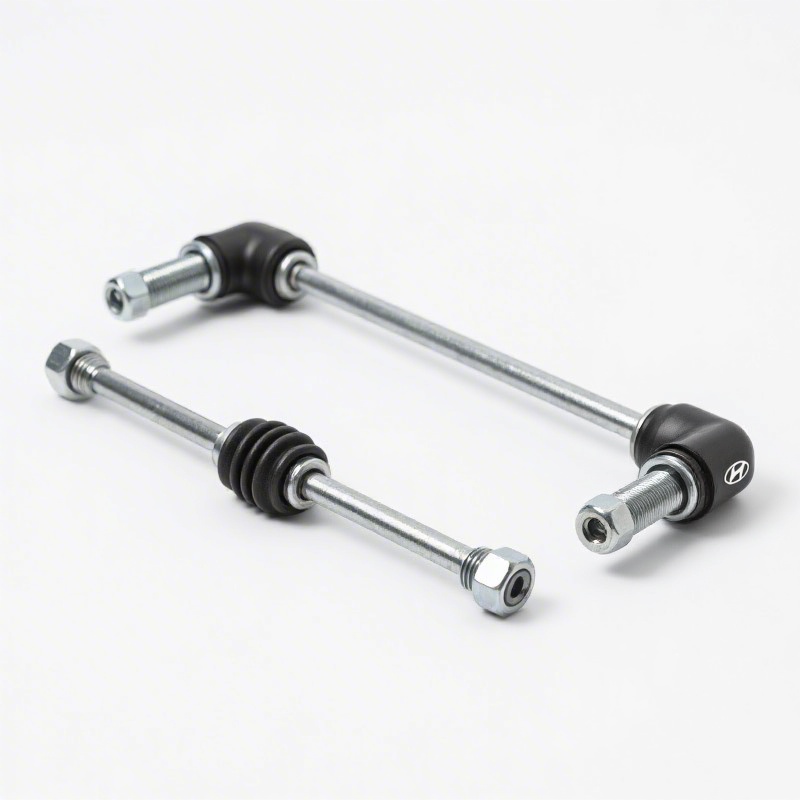
Tie Rod Kit
Steering Rack Inner & Outer Tie Rod Kit – Hyundai Tucson / Kia Sportage
$22.00 - $45.00
View Details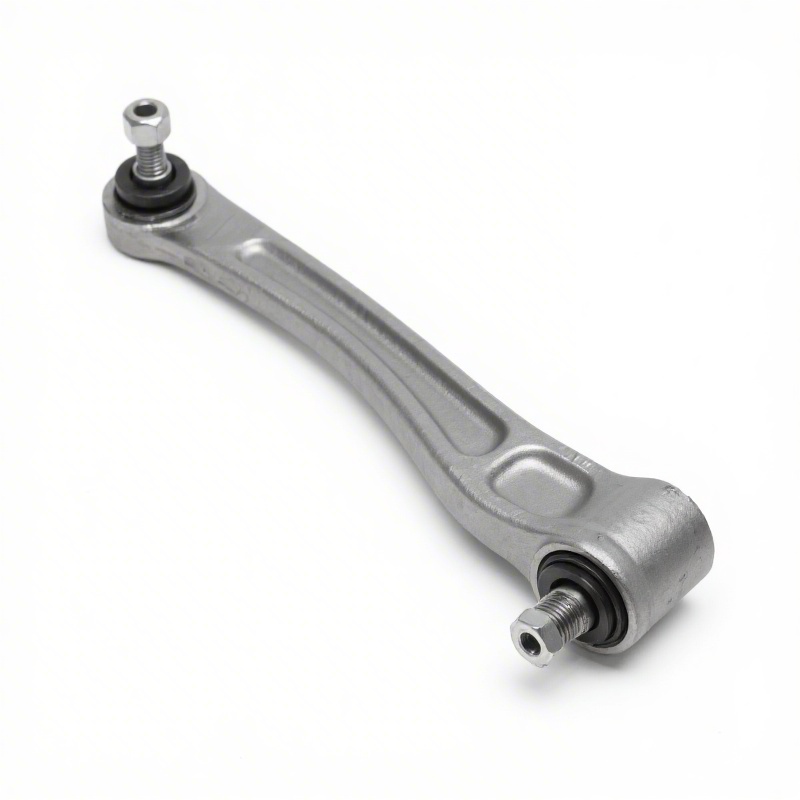
Control Arm
Front Lower Control Arm Complete Assembly – Hyundai Santa Fe / Kia Sorento (4WD)
$22.00 - $50.00
View Details