What should an oxygen sensor enquiry include?
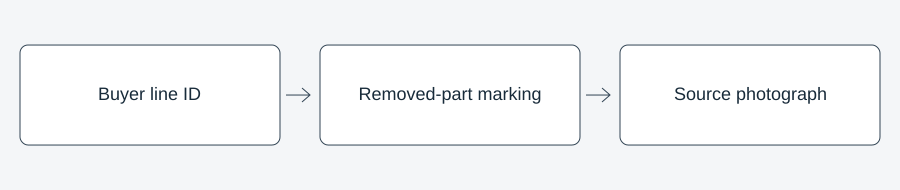
For a GM or Chevrolet oxygen sensor enquiry, send the number on the removed part, the vehicle VIN, model year, engine identification and clear connector photographs. Treat a catalogue reference as a search starting point. It does not by itself prove interchangeability, installation position, manufacturer identity or availability. Ask for a written application confirmation and a quotation against each individual line before ordering.
For a mixed purchase list, keep the supporting evidence beside each requested item rather than placing all photographs in an unlabeled folder. Give every enquiry line a buyer reference and use the same reference in filenames and replies. This makes it possible to track which answer applies to which part. If identification remains unresolved, ask a focused follow-up before requesting a final commercial offer.
Which reference should a buyer record first?
Copy the complete marking, including leading zeroes and any suffix. Send a photograph beside your typed reference so the supplier can distinguish a transcription error from an alternative identifier. Keep the vehicle manufacturer reference separate from a sensor maker number and from your own warehouse SKU. When several numbers appear in a listing, ask what each number represents rather than assuming they describe equivalent parts.
Record the source of each number as well as the number itself. A marking copied from the installed sensor, a number on a box and a number from a supplier webpage provide different evidence. Retain the original photograph so a second person can check it later. Do not silently remove characters to make two identifiers look alike; formatting differences and replacement relationships should be explained and documented.
What vehicle details help confirm the application?
A Chevrolet or Buick brand label is not a complete vehicle application. Record the model, model year, engine identification and market specification, together with the VIN where available. Describe the installation position shown in the vehicle service information. If that position is uncertain, mark it as unresolved in the enquiry. Do not let a supplier infer an exact fit from a broad brand label or the word universal.
When the vehicle was imported from another market, include that background in the request instead of relying only on its local sales name. A purchasing record should distinguish what the customer has confirmed from what the supplier still needs to research. If no VIN is available, say so explicitly and supply the alternative evidence you have. A provisional enquiry can proceed without presenting an uncertain application as verified.
How should connector evidence be compared?
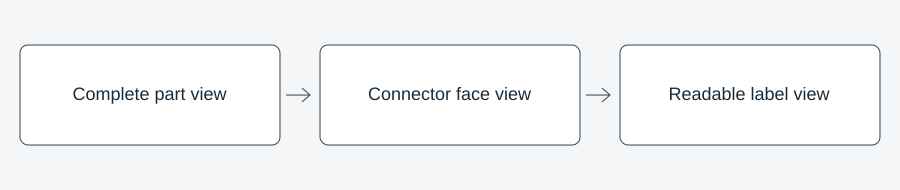
Provide photographs of the connector face, keying features, cable route and markings. Ask for corresponding photographs of the proposed item. Bosch separately describes direct-fit products with an OE connector and universal products with their own connection arrangements. That distinction is a reason to check the proposed design; it does not verify any of the GM references listed below. Use the manufacturer application catalogue and vehicle information to resolve the actual selection.
Take photographs in sufficient light and label the views consistently. A useful evidence set separates the complete part, the connector face, the cable and the readable markings. The person reviewing the enquiry can then identify missing information without guessing which photograph belongs to which line. A visual match is still only one part of identification; obtain the relevant application confirmation before authorizing the proposed replacement.
What do these catalogue OE numbers actually establish?
The references below identify existing Globalucar catalogue pages. They are not a cross-reference equivalence table and are not a new confirmation of vehicle fitment. We have intentionally left maker identity, wiring specification and replacement equivalence out of this comparison because a copied listing field is insufficient evidence for those claims. Open the relevant product record and include its reference in the enquiry.
The table is deliberately limited to references and links already present in the local catalogue. Numbers on different rows are not presented as substitutes for one another. Where a linked page groups additional identifiers, ask the supplier to explain their relationship and provide the supporting application information. Keep the confirmed replacement reference distinct from an unverified search alias so future buyers do not inherit an assumption as a fact.
| OE Number catalogue reference | Part Name | Evidence still required |
|---|---|---|
| Oxygen sensor reference 12563374 | Oxygen sensor catalogue entry | Vehicle application, connector and proposed supply item confirmation |
| Oxygen sensor reference 12572772 | Oxygen sensor catalogue entry | Vehicle application, connector and proposed supply item confirmation |
| Oxygen sensor reference 12578624 | Oxygen sensor catalogue entry | Vehicle application, connector and proposed supply item confirmation |
| Oxygen sensor reference 12590790 | Oxygen sensor catalogue entry | Vehicle application, connector and proposed supply item confirmation |
| Oxygen sensor reference 12596688 | Oxygen sensor catalogue entry | Vehicle application, connector and proposed supply item confirmation |
| Oxygen sensor reference 12605488 | Oxygen sensor catalogue entry | Vehicle application, connector and proposed supply item confirmation |
What belongs on each quotation line?
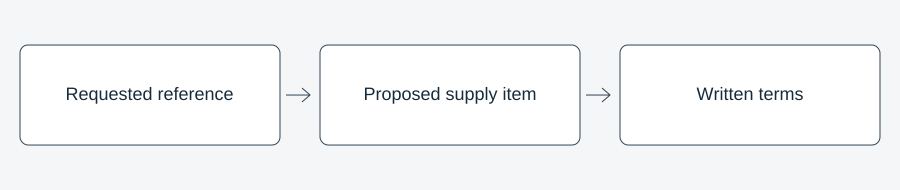
Use one row for each requested reference. Include quantity, destination, packaging preference and the evidence supplied for identification. Ask the supplier to return its proposed item number, confirmed application, sample arrangement, minimum quantity, lead time and warranty terms on that same row. Those commercial terms should come from the quotation. Do not turn a historic catalogue value into a current promise of stock, price or warranty.
Ask for deviations to be written on the quotation itself. If a supplier proposes a different item, a different quantity basis or an alternative shipment arrangement, retain both the requested line and the proposed response. Evaluate the complete quoted terms rather than only the displayed unit amount. Leave any unconfirmed warranty or availability field open until a supplier provides a specific response that the buyer can review.
How should sample approval carry into repeat orders?
Save the approved sample photographs, supplier item number and the application evidence with your purchase record. Identify which details are still awaiting confirmation. A subsequent order should point to that approved record and its revision rather than only to a remembered product name. If the supplier changes a proposed item, request a fresh comparison before treating it as the same purchase line. This gives purchasing and receiving teams a shared reference.
Create a dated approval record that identifies the sample, supporting photographs and the person who approved the proposed supply item. That record should show the scope of approval and any unresolved conditions. Passing an initial visual comparison is not the same as approving every future production batch. A repeat purchase can reference the saved record, while changes to the item or customer application trigger another review.
What should receiving teams compare on arrival?
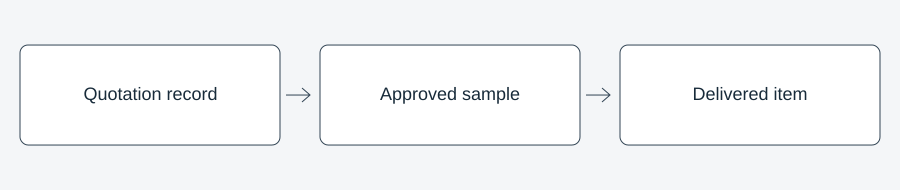
Agree which labels, packaging information and supplier documents should accompany the shipment. Keep the original enquiry, quotation and approval together so a receiving team can compare the delivered item with what was ordered. Photograph discrepancies before mixing parts into general inventory. A receiving checklist supports traceability; it does not replace the application checks and installation instructions relevant to the actual vehicle.
Arrange the inspection evidence before the shipment arrives. The receiving team should know which quotation and approval record applies to each carton or purchase line, and which differences require escalation. Keep questionable items identifiable while obtaining clarification instead of merging them with accepted inventory. This procedure helps document a discrepancy but does not make an unverified replacement suitable for installation or substitute for qualified technical assessment.
Frequently asked questions
Does a reference table prove two sensors interchange?
No. The table links catalogue records only. Obtain the proposed replacement reference and the evidence supporting its application before approving a substitution.
Can I order using only Chevrolet as the application?
Use a more specific enquiry. Supply the VIN, model year, engine information, removed-part reference and photographs; unresolved details should stay visible until confirmed.
Is dispatch availability confirmed by this guide?
This guide makes no stock commitment. Availability, quantity, lead time and commercial terms need a current quotation for the individual item.
What if the catalogue image looks different?
Send both the removed-part photographs and the catalogue link to the supplier. Keep the enquiry open until the discrepancy is explained and the proposed item is confirmed.
Send a documented enquiry
Include the destination country and the receiving business contact with the purchase list. Explain whether the request concerns a sample, a replacement for an existing order or a new purchasing programme, so the quotation can address the actual enquiry.
Prepare your reference list and supporting photographs, then contact the Globalucar export team. Ask for confirmation against each line rather than a blanket compatibility statement.
Technical distinction source: Bosch direct-fit sensor information. This source does not establish the applications of the catalogue references in this guide.
Verify Part Numbers in Our OE Library
Every part covered in this guide has a matching OE number in our reference library — grouped by system with cross-references, so you can source the exact fit for Hyundai, Kia, GM Korea and more.
Related Articles


Related Products
From our Engine System catalog — 4 products ready for export


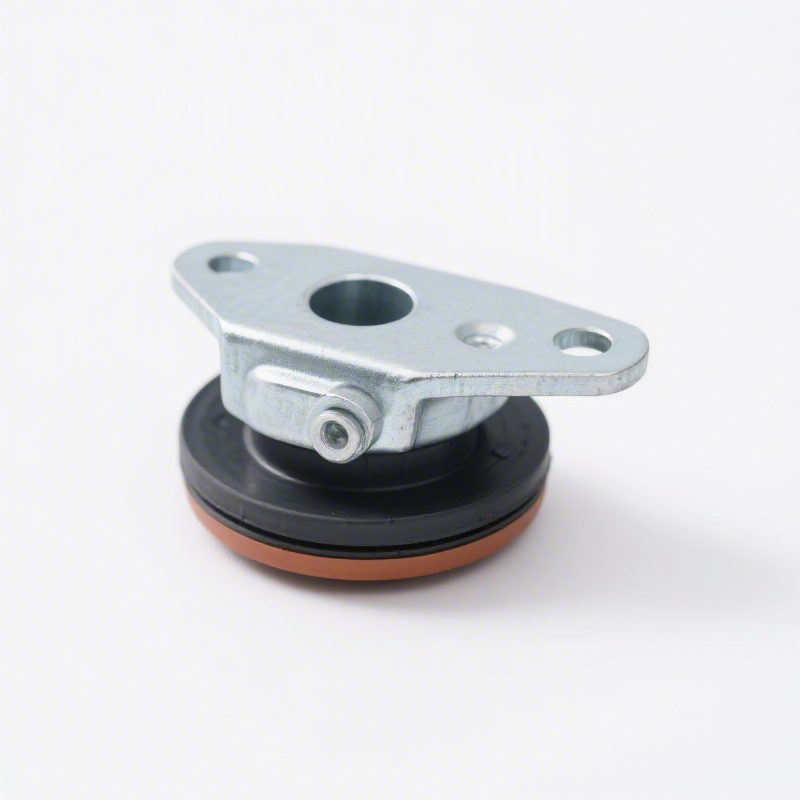
Parts mentioned in this guide
Every SKU above is quoted FOB Guangzhou with MOQ 10 pieces and a 12-month warranty. Full catalogue: all parts.