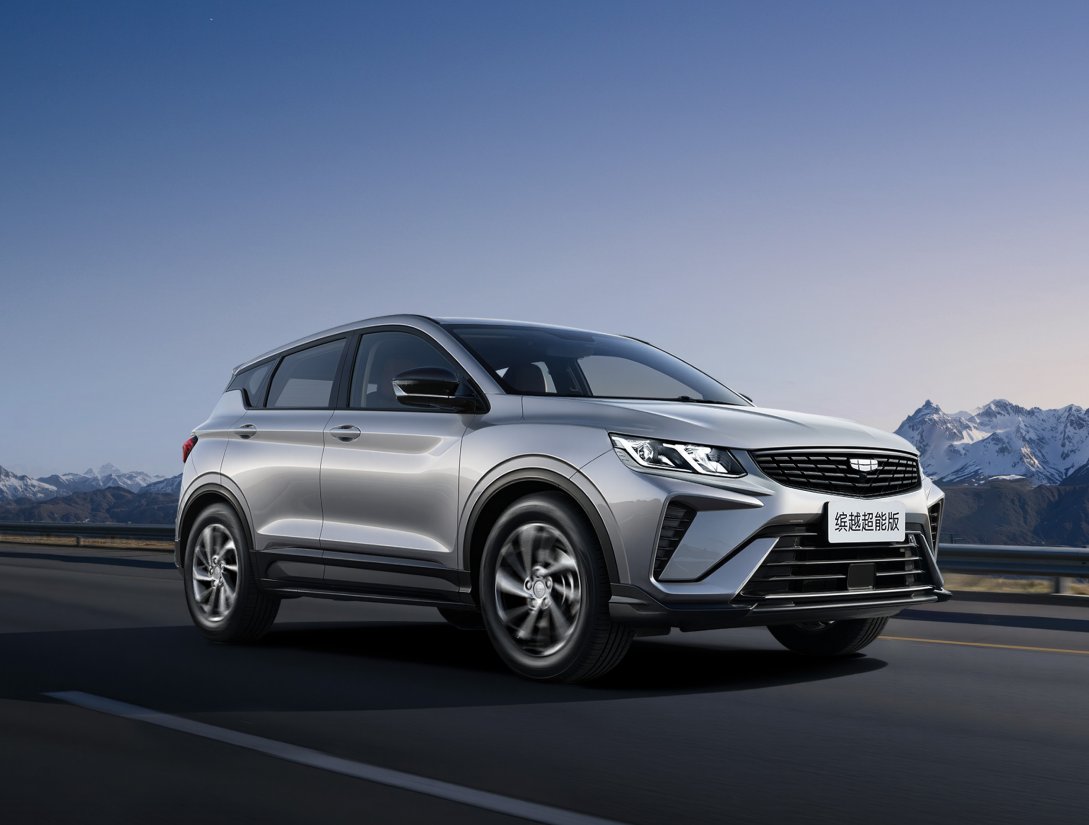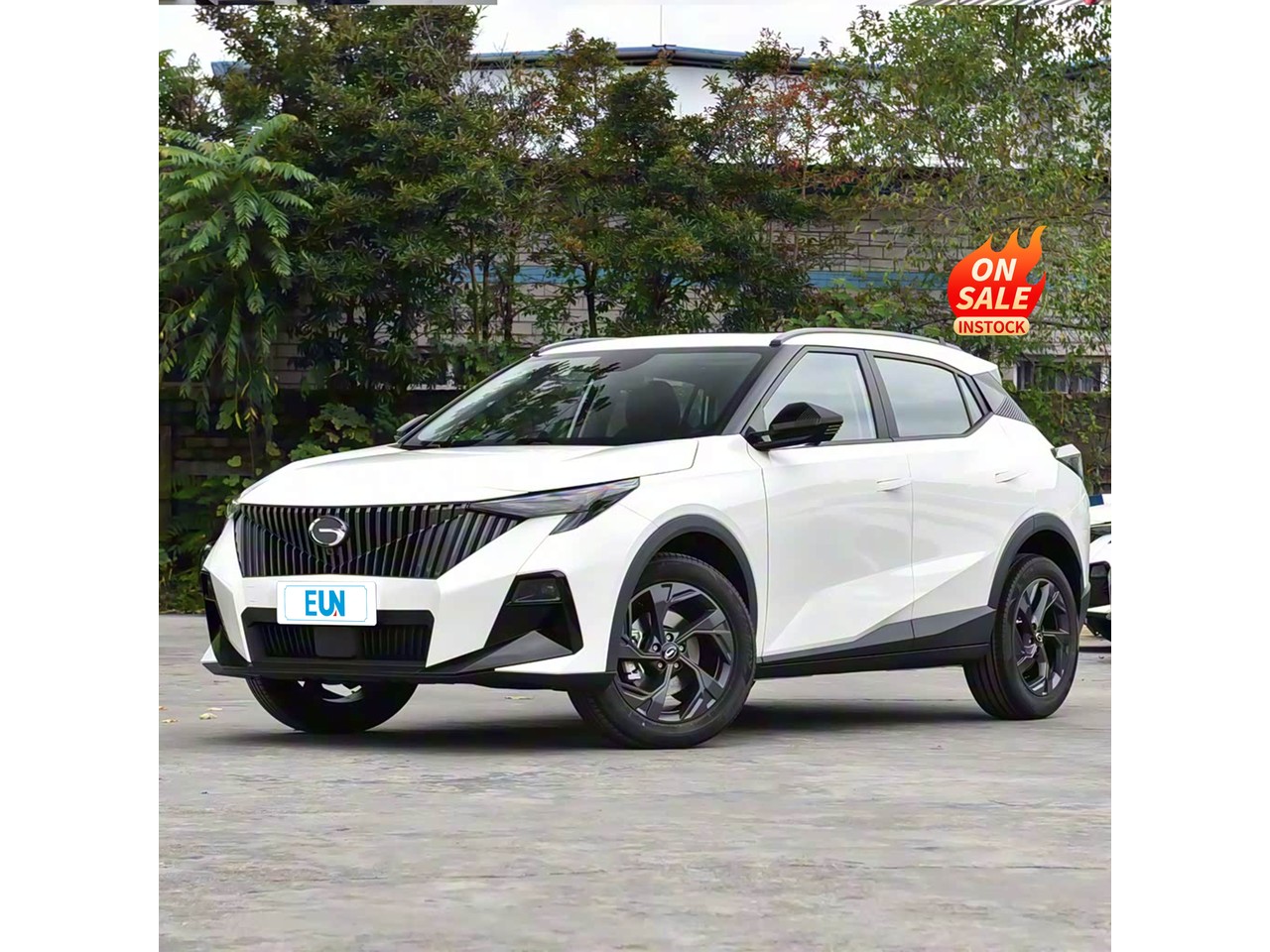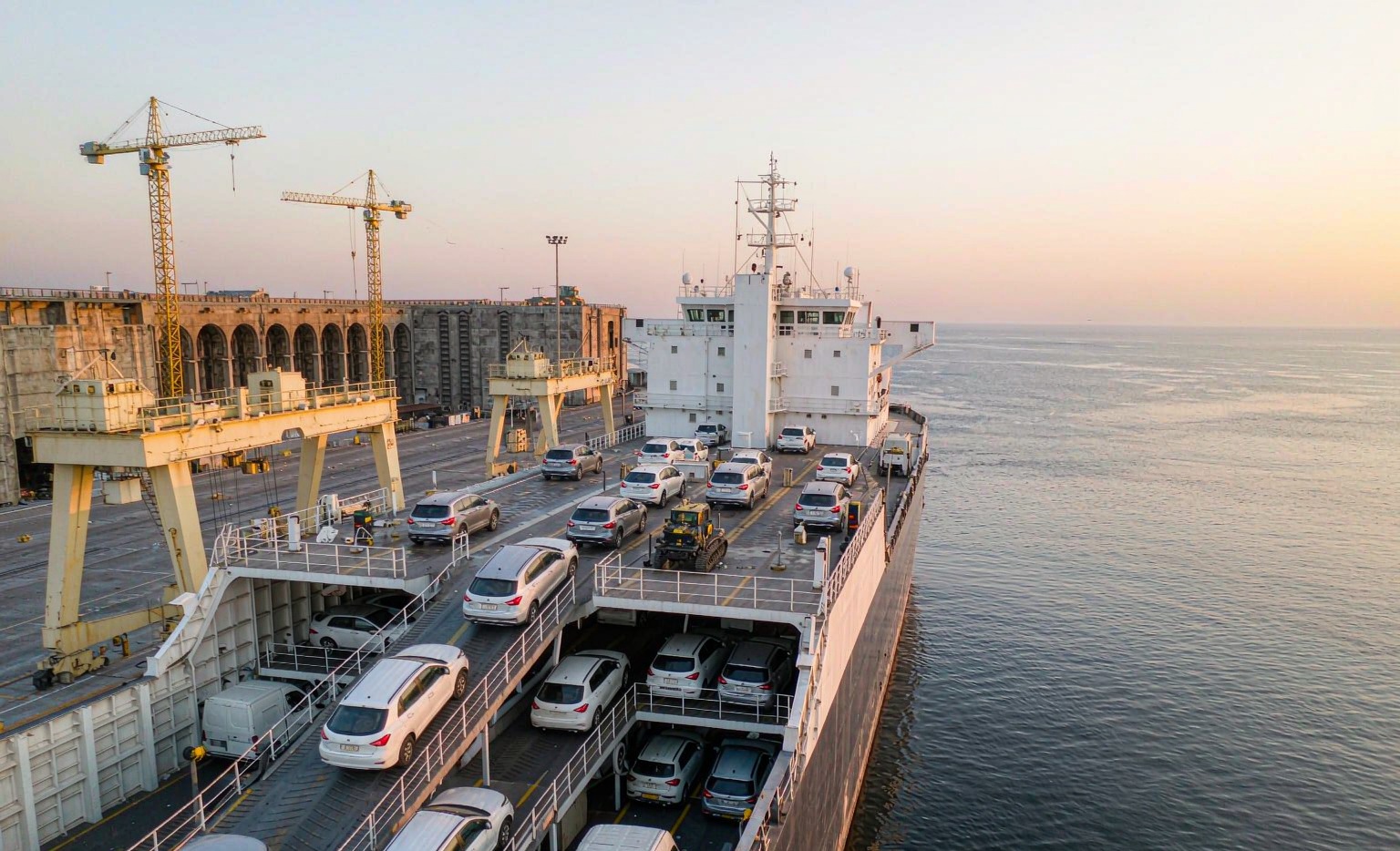
Algeria is the North African market where the price is easy and the paperwork is hard. Four legal doors exist for a vehicle to enter the country, and only one of them is open to a company that is not a licensed importer. Everything else — the duty brackets, the 1,800cc line, the CoC file, the summer port window — follows from which door you are standing at. This Algeria car import guide walks the four doors in order, prices the tax stack on a real 1.5L unit from our Nansha yard, and sets out the CKD route that has actually cleared for Chinese brands.
The Four Doors Into Algeria, and Which One You Can Use
Algeria closed general used-car imports in 2005 and has never fully reopened them. What exists instead is a set of narrow, named channels, each with its own age limit, volume rule and deciding document. Any Algeria car import quote is only as good as the door behind it, so read the table before you read the price.
| Door | Who may use it | Vehicle age | Volume rule | Document that decides it |
|---|---|---|---|---|
| Licensed importer (agrément) | Brand-authorised importer holding a registre de commerce | New, built within 12 months of entry, under 100 km | No per-shipment cap, but the model needs type approval | Certificate of Conformity (CoC) issued on an IANOR-approved file |
| Resident individual | Algerian resident paying from own foreign currency | Under 3 years at declaration | One car every three years, personal use, no resale | Individual conformity report plus the foreign carte grise |
| CCR — returning national | Algerian registered with a consulate abroad, on definitive return | New or under 5 years | One-time entitlement, not transferable | Consular Certificate of Change of Residence |
| Bus and coach quota | Operator authorised by the Ministry of Industry | New, built within 12 months, under 1,500 km | 10,000 units a year, collective ceiling for heading 87.02 | Ministerial authorisation with a vehicle card and kit list |
The pattern is deliberate. Algeria protects a domestic assembly sector that it wants to grow, so it keeps complete vehicles expensive and unassembled kits cheap. Every rule below is a variation on that theme, and a supplier who does not know which door a buyer stands at will waste both parties' time quoting FOB prices into a channel that buyer cannot legally use.
Door One: The Importer Licence Is the Whole Game
Commercial Algeria car import of new passenger cars is reserved for brand-authorised local importers. That single sentence decides most conversations. A garage in Oran with cash and a customer list cannot import twenty Coolrays for resale, no matter how clean the invoice looks, because the customs file requires the importer's registre de commerce and a model-level approval that only the brand's official channel holds.
The technical bar for that channel is specific, and each item has sunk shipments before. Vehicles must be new, built within twelve months of the entry date, with under 100 km on the odometer. Left-hand drive only. Euro V emissions at minimum for combustion models, with hybrids subject to full emissions testing rather than an exemption. Diesel passenger cars are prohibited outright, which rules out a large slice of the Chinese SUV catalogue. Labels, technical specifications and owner manuals must be in French or Arabic, and the "Made in China" marking has to be permanent on the chassis as well as on the documents.
For a Chinese exporter this is not a reason to walk away, it is a reason to be honest early. If the buyer is not a licence holder, the workable plays are the other three doors, a CKD partnership, or the parts business. Saying that on the first call costs one deal and saves ten.
Door Two: Individuals, Three Years, One Car Every Three Years
The resident individual lane is the one most Chinese stock actually travels through. It allows a private buyer to import cars to Algeria from China — one passenger car under three years old, once every three years, paid for from their own foreign currency, for personal use with no resale. Age is counted at the declaration, not at the order, which matters more than it sounds: a unit that crosses the three-year line while the vessel is at sea can be refused at the quay.
This is also the lane where Chinese cars to Algeria get their price advantage, because the powertrain discounts live here. Under Article 66 of the 2023 Finance Law, amending Article 110, the individual pays the ordinary duties and taxes with a reduction of 80% for battery-electric cars, 50% for petrol or petrol-hybrid cars at or below 1,800cc, and 20% above that. Those three numbers explain the composition of Chinese demand in Algeria better than any marketing study: 1.5L petrol and 1.5T compact SUVs sit in the 50% band, small EVs sit in the 80% band, and a 2.0T seven-seater gets a discount small enough to be irrelevant.
Diesel is excluded from this lane, and the resale restriction is enforced through the registration file rather than through goodwill. Buyers who plan to flip the car within a year are planning to break a rule that the tax office can see.
Door Three: The CCR Lane, Widened on 1 January 2026
Article 127 of the 2026 Finance Law widened the returning-national channel, and it is the most generous door in the building. An Algerian registered with a consulate abroad who returns definitively may bring a vehicle that is new or under five years old at the date of entry, without paying duties, inside the regime's value ceiling. Passenger cars must be electric, petrol or petrol-hybrid and no larger than 1,800 cm³. Article 134 gives diplomatic and consular staff the same age and engine rule at the end of a posting.
Two limits keep this from becoming a trade route. It is a personal, one-time entitlement, and it is tied to a change of residence that the consulate has to certify. Showrooms that bundle orders in the names of individuals inherit both the resale lock and the tax clawback, which is a poor trade for a modest margin.
Three smaller 2026 changes matter to anyone pricing a unit. Article 50 exempts electric, hybrid and CNG vehicles from the annual vignette. Article 48 caps the individual conformity inspection at 8,000 dinars. Article 49 moves payment of the new-vehicle stamp duty to the tax office after clearance and before registration, which changes the cash-flow order rather than the total, and is worth knowing when a buyer says the numbers do not add up.
Read against the rest of the Algeria car import framework, this is the only door that combines a five-year age cap with a full duty holiday, which is why returning families are a genuine demand segment for 1.5L petrol stock rather than a rounding error.
Door Four: Ten Thousand Buses, and Why the Number Matters
Article 135 of the 2026 Finance Law exempts vehicles for ten or more passengers, tariff heading 87.02, from all duties and taxes within a collective quota of 10,000 units, whether imported built-up or in kit form. The exemption was effective from 1 October 2025 and it extends to the later sale of those vehicles, which are relieved of VAT and of the specific tax on vehicle sales. For a distributor, that is a materially different margin structure from a passenger car.
It is not automatic. The operator applies to the Minister of Industry with a vehicle card stating type, seat count, make, model, import form and quantity, plus a VAT exemption certificate and, for kits, a parts list with the number of components per vehicle and the total required. The ministerial decision then fixes exactly how many units and components may clear, and component imports are tied back to those authorised vehicle numbers.
It is also the only Algeria vehicle import quota that a non-licensed trading company can build a business around. For Chinese suppliers the practical target is the 15 to 23-seat minibus and the city bus chassis, not the passenger SUV. It is also the one door where a non-licensed trading company can build a legitimate Algerian business, because the licence sits with the transport operator rather than with a car brand.
What Actually Gets Charged: Duty, TIC, DAPS and TVA
Algerian customs value is built on CIF, so freight and insurance are inside the duty base — the opposite of South Africa's FOB assessment. Four layers stack on top of each other, and the VAT layer is charged on the sum of the first three, which is how a 15% duty line turns into an Algeria car import duty load near 40% of CIF.
Customs duty follows the 8703 sub-heading and the engine size, running from 15% on the small-petrol line to as much as 30% on larger displacements. The internal consumption tax (TIC) is set per tariff line and is zero on some small-petrol and electric lines; above 1,800cc it is no longer a rounding error. The solidarity contribution (DAPS) is commonly assessed at 3% of CIF value. VAT is 19%, charged on CIF plus duty plus TIC plus DAPS.
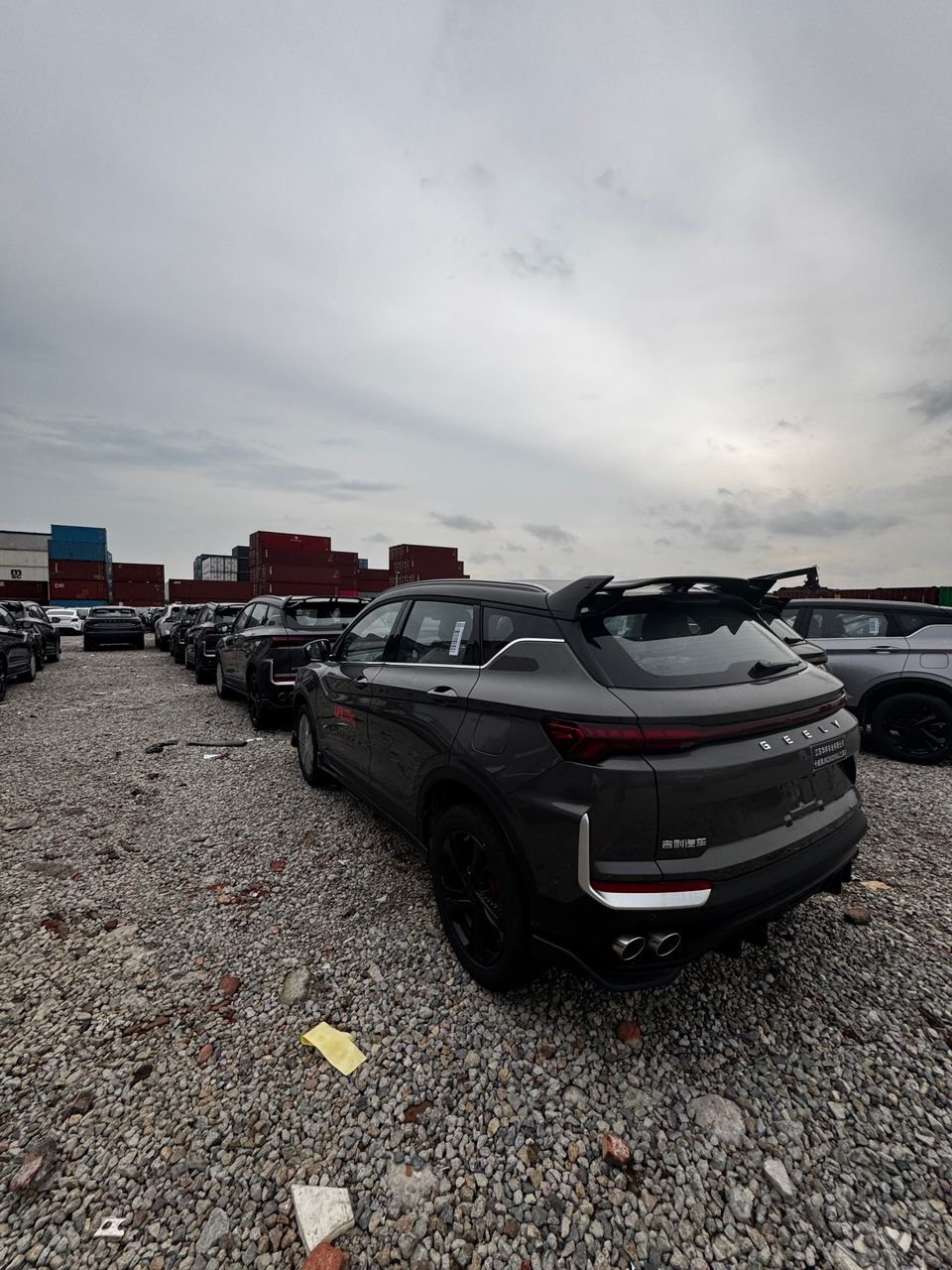
Here is the stack on a 2026 Geely Coolray 1.5TD at our Nansha FOB of US$9,600, with US$1,900 of freight and insurance to Algiers. The only figure I have assumed is the freight; every rate below should be confirmed against the exact sub-heading by a licensed broker before you quote a customer.
| Layer | Base | Rate | Amount (US$) |
|---|---|---|---|
| CIF value | FOB 9,600 + freight and insurance 1,900 | — | 11,500 |
| Customs duty (DD) | CIF | 15% | 1,725 |
| Consumption tax (TIC) | CIF + duty | 0% on this tariff line | 0 |
| Solidarity contribution (DAPS) | CIF | 3% | 345 |
| VAT (TVA) | 13,570 (CIF + DD + TIC + DAPS) | 19% | 2,578 |
| Total tax and duty | — | 40% of CIF | 4,648 |
| Landed before port costs | — | — | 16,148 |
Two things change above the 1,800cc line. Duty can double to 30%, and TIC stops being zero, so the tax load moves from roughly 40% of CIF into the fifties. The individual-lane reduction at the same time falls from 50% to 20%. A 2.0T seven-seat SUV that looks like a bargain beside a 1.5T compact is not one, and Algerian buyers have learned that arithmetic faster than most exporters have.
The 1,800cc Line: Which Models Fall Inside It
This is where a catalogue meets a tax schedule, and where most Algeria car import decisions are actually made. Every unit below is in our own export inventory with a Nansha FOB price, and every one of them sits at or under 1,800cc, which is the threshold that separates the 50% reduction from the 20% one on the individual lane and the small-petrol duty line from the larger-displacement one.
| Model | Displacement | FOB Nansha (US$) | Why it fits Algeria |
|---|---|---|---|
| 2026 Geely Coolray Battle 1.5TD DCT | 1,477cc | 8,700 | Lowest entry point into the 50% band, 128 kW |
| 2026 Geely Coolray GF+ 1.5TD DCT | 1,477cc | 9,600 | Same drivetrain, full option, our volume seller |
| 2026 Geely Coolray L 1.5TD DCT | 1,477cc | 12,050 | Larger body, 133 kW, competes with Tiggo 7 |
| 2026 JETTA VS5 1.4T DSG | 1,395cc | 13,100 | VW EA211 mechanicals, easy local service |
| 2026 MG5 1.5L Manual | 1,498cc | 7,200 | Cheapest compliant sedan for fleet buyers |
| 2026 Livan X3 Pro 1.5L CVT | 1,499cc | 7,800 | Mini SUV at sedan money, thin parts network |
| 2026 GAC Trumpchi GS3 1.5T | 1,499cc | 9,600 | 177 hp, ADAS, strong spec-per-dollar |
| 2026 Roewe i5 1.5L Manual | 1,497cc | 6,800 | Budget sedan, taxi and ride-hailing fleets |
| 2026 Kia Seltos 1.5L IVT | 1,497cc | 11,700 | Korean badge, local brand recognition |
| 2026 BYD Seal 05 DM-i | 1.5L PHEV | 8,703 (FCA) | Petrol-hybrid, the 50% band with EV running costs |
Note what is missing: the 2.0TD Jetour Traveler, the 2.0TD Xingyue L, the 2.0L Sportage and every 2.0T PHEV in our range. They are good vehicles and they sell well in the Gulf and Central Asia, but in Algeria they land in the 20% reduction bracket with a higher duty line, and the arithmetic rarely closes against a 1.5T compact.
Documents That Decide the File: CoC, ECTN, Euro V, Labels
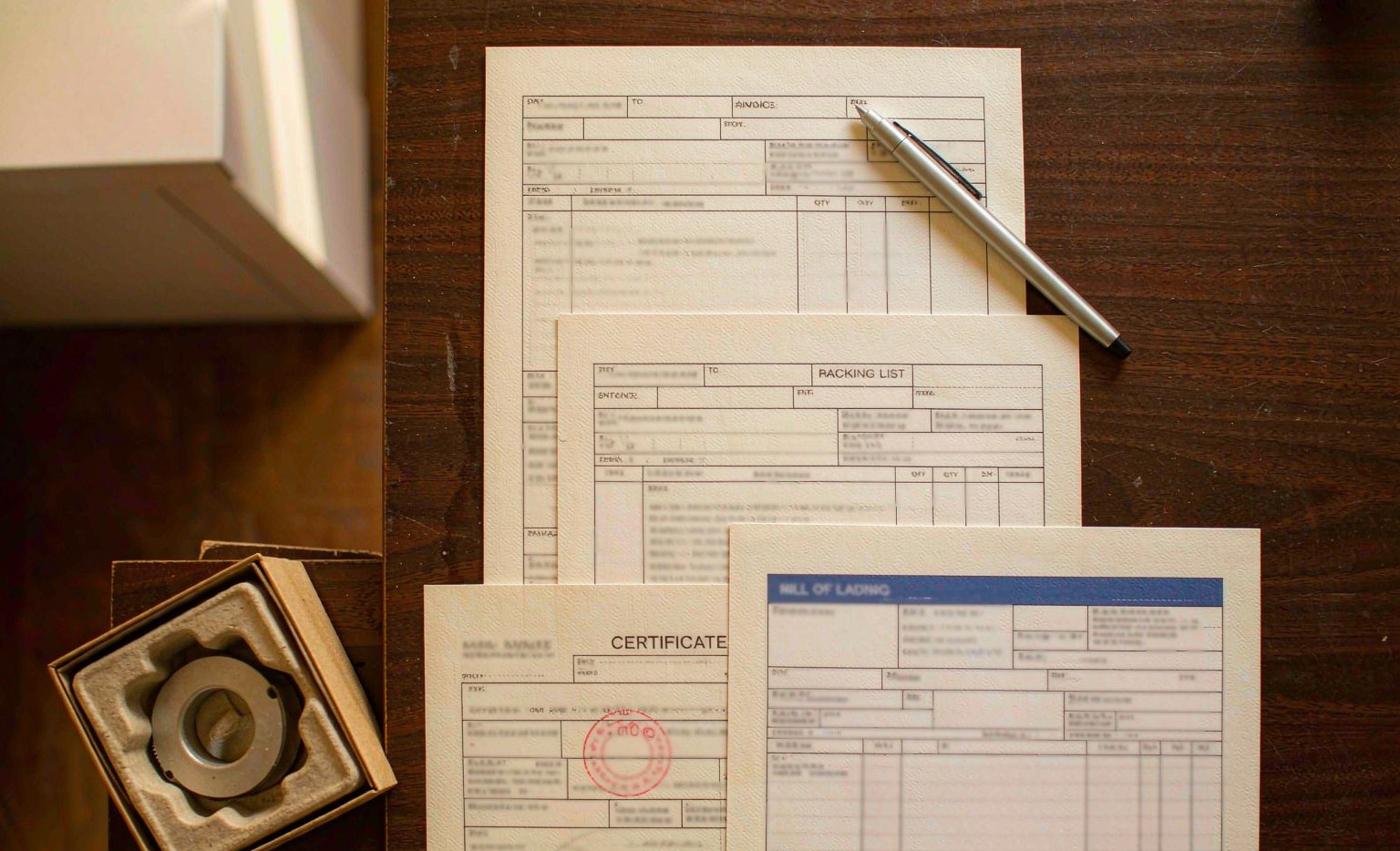
Algerian customs enforces a zero-exception document set on every Algeria car import, and the failures are predictable because they are almost always the same four. The first is the Certificate of Conformity. Every vehicle needs one, issued against Algerian standards by a body authorised by customs — SGS, Bureau Veritas and Intertek are the names buyers ask for. The file needs the importer's registre de commerce number, carries a mandatory pre-shipment inspection that checks model, quantity, specification and labelling, and takes 10 to 15 working days if nothing is missing. Manufacturers holding a valid IANOR type approval can use a simplified inspection for repeated shipments of the same approved model, which is the difference between a two-week file and a two-month one.
The second is the ECTN, also called BSC, which is mandatory for sea shipments to Algeria. It is a cargo tracking note, and a container that arrives without one does not clear. The third is the emissions and label requirement: Euro V at minimum, manuals and labels in French or Arabic, permanent origin marking. The fourth is the entry itself, lodged through the SIGAD system, followed by a technical inspection within ten days of clearance.
One point that costs shipments: a COC certificate for Algeria is issued per shipment against the IANOR standard, and a conformity document carried over from another market does not replace it. Buyers who assume otherwise discover the gap at the port, with the container already discharged.
Apply for the CoC before booking freight, because the Algeria vehicle import file is assembled forward, not backward. A model with no Algerian history needs evidence that cannot be assembled in a week, and port storage in Algiers is charged by the day while a file is rebuilt. If the buyer's broker cannot name the issuing body and the tariff sub-heading in the same conversation, the buyer does not have a broker.
Ports, Transit Times and the Summer Window
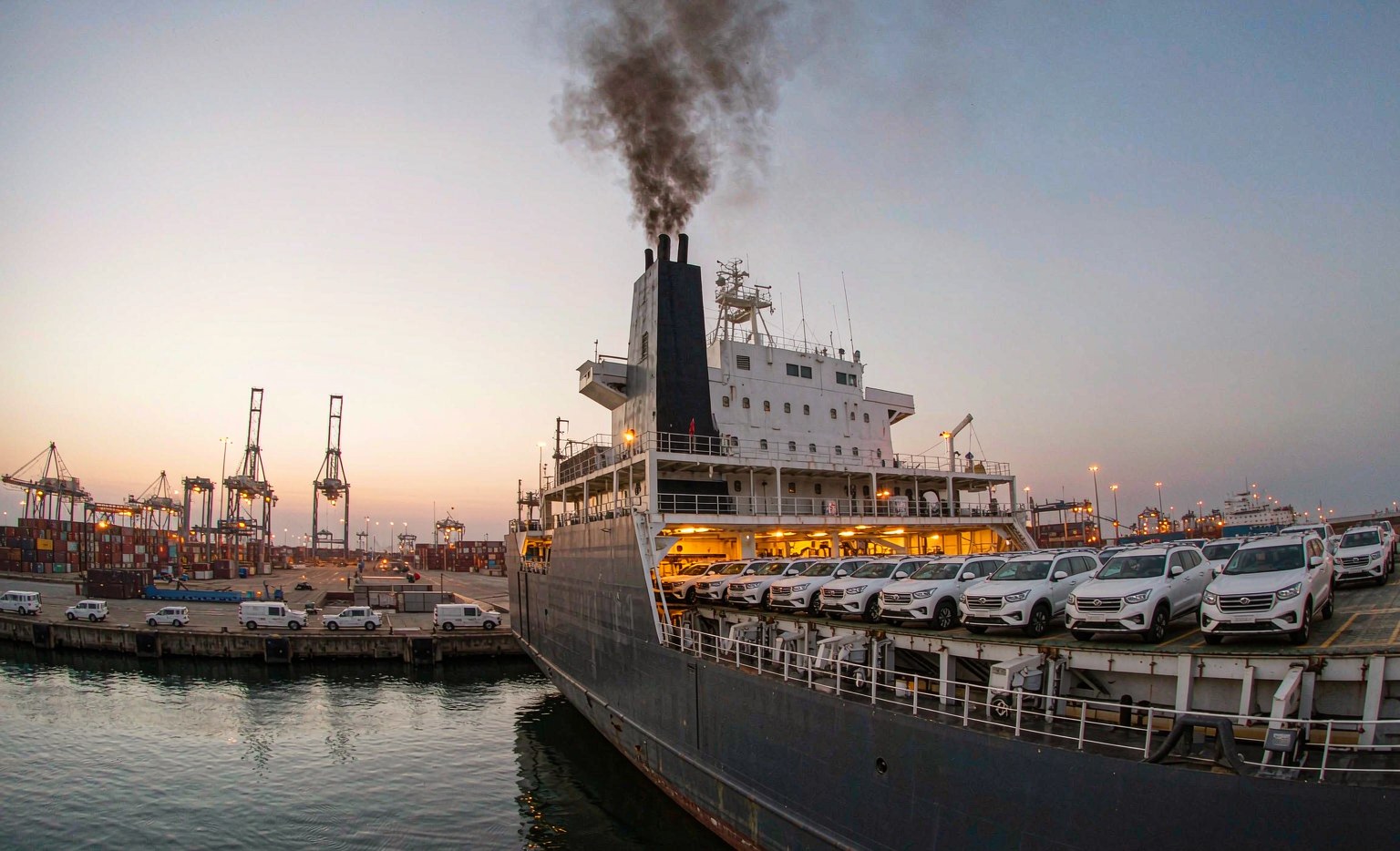
Algiers handles the largest share of Algeria car import traffic, Oran serves the west, and Djen Djen near Jijel is the dedicated vehicle port that most exporters now prefer for RoRo. Skikda and Mostaganem take the remainder. Sailing time from South China runs 32 to 42 days depending on the port pair and the transhipment, so a unit ordered in November lands in January and the three-year age clock has to be read against the arrival date, not the booking date.
There is also a seasonal constraint worth diarising: reports through 2026 describe a suspension of under-three-year imports at Algiers and Oran between 15 June and 15 September, with Djen Djen used as the workaround. Treat the dates as something to confirm with a broker each season rather than as a permanent rule, but do not plan a summer arrival at Algiers without checking.
One structural advantage for Chinese supply on every Algeria vehicle import: Algeria is left-hand drive, like the rest of North and West Africa, so the LHD production that dominates our Nansha yard is the correct build. Nothing has to be re-sourced, and no right-hand-drive conversion conversation is needed.
CKD: The Route That Actually Cleared
Chery is the case study. It supplied Algeria through the Sovac and IVAL networks from 2005, assembled at Emin Auto in Setif until the 2016 policy shift, and returned to local assembly through an SNVI Rouiba partnership announced in 2024 under the government's controlled reopening to selected Chinese manufacturers. That history explains why Chery has the deepest dealer and parts network of any Chinese brand in the country, and why a Chery unit holds resale value that a newer entrant does not. For anyone who cannot hold an Algeria car import licence, CKD assembly is the structure that gets a brand into the market anyway.
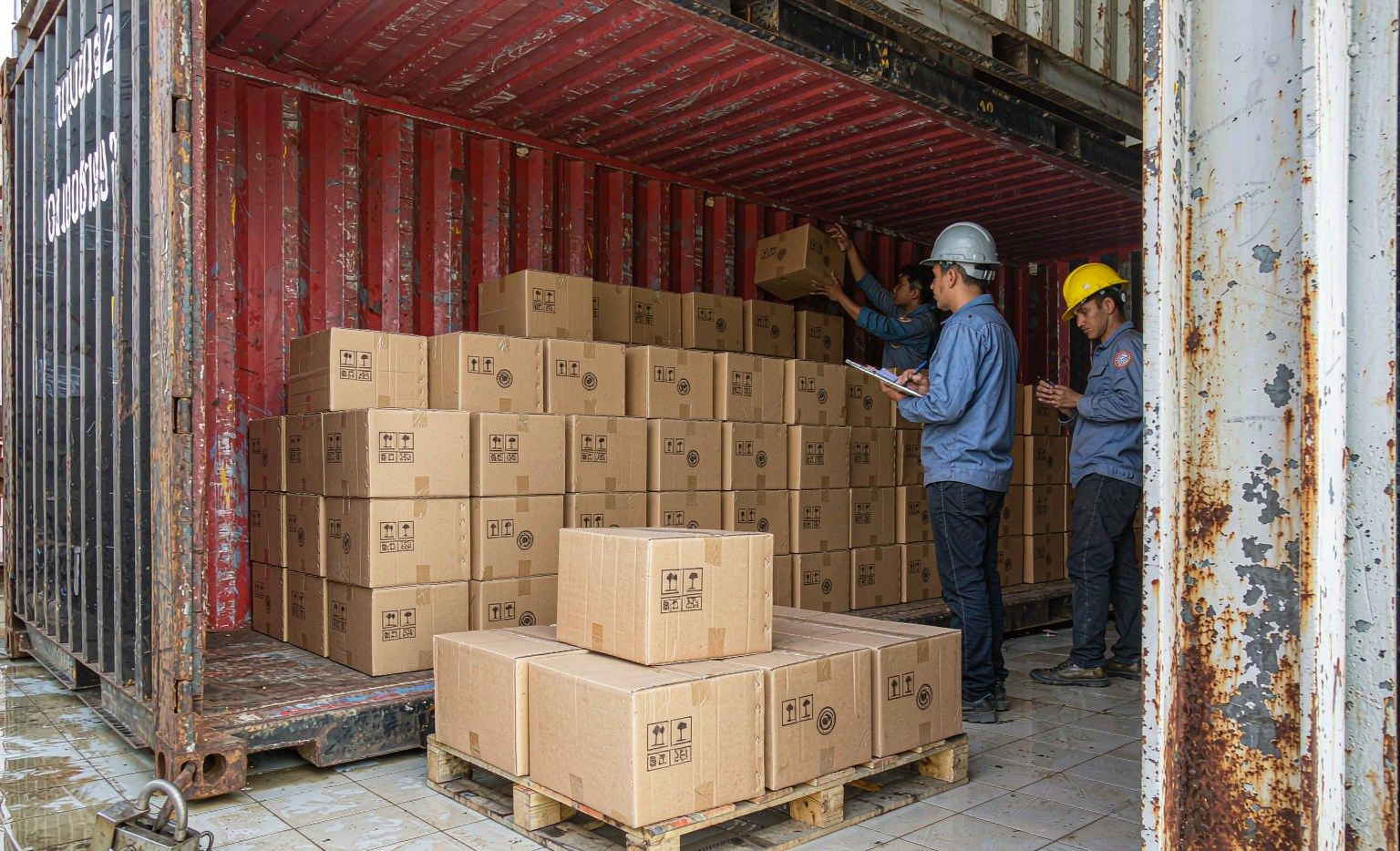
For an exporter, CKD means the shipment stops being a car and becomes a numbered kit. The authorisation file needs each component, the quantity per vehicle, and a total tied to the authorised vehicle count, so a kit that is short of one bracket per unit is not a small error — it is an unauthorised import of an unmatched part. What a kit buyer should ask a Chinese supplier for is boring and specific: a bill of materials mapped to the vehicle card, VIN-level traceability on the shell and drivetrain, a loading plan for 40HQ containers that respects weight distribution, and a written statement of which components are supplied loose for local content.
This is also the door that survives a policy change. A quota can be cut, a duty line can move, but an assembly partnership with local employment behind it tends to be defended by the government that signed it.
If You Are a Garage, Not a Licence Holder
Most of the Algerian enquiries we receive come from workshops and parts traders, not from importers with an agrément. For that reader the vehicle rules are context, and the business is parts. Components do not sit behind an Algeria car import licence, they do not carry a three-year age cap, and their duty band is 0–20% depending on the tariff line rather than 15–30% plus TIC. Clearance is measured in days.
The demand is easy to see. Algeria now runs one of the larger Chinese passenger-car parcs in North Africa, and every one of those cars needs brake pads, filters, timing kits, cooling parts and body panels within three years of delivery. A workshop that can service a Coolray or a Tiggo in Constantine has a customer base that a Toyota-only shop does not. Order by OE number rather than by model name, because the same nameplate carries different references across assembly plants, and confirm the reference before the order rather than after.
Our own parts side, Kingmay, quotes OEM-grade quality from verified suppliers and ships in neutral packaging — not in another manufacturer's livery. That is a compliance decision as much as a commercial one, and it is the reason we will decline a request for branded boxes even when the buyer insists the market expects them.
Tell us which door you are standing at, and we will quote accordingly. Algeria car import or parts, the first answer is the same: name the channel and the chassis. For licensed importers we quote compliant 1.5L and 1.5T models FOB Nansha with CoC support; for operators working the 87.02 quota we quote minibus and chassis configurations against a vehicle card; for workshops we quote parts FOB Guangzhou within 48 hours from an OE list. Send the requirement through the enquiry form or by WhatsApp on +86 133-0240-8528.
Frequently Asked Questions
Can I import new cars into Algeria for resale without an importer licence?
No. Commercial import of new passenger cars is reserved for brand-authorised importers holding a registre de commerce and a model-level approval. The realistic alternatives are a CKD partnership with an authorised assembler, the 10,000-unit bus quota under Article 135, or the individual and CCR lanes, none of which support resale.
How old can a car be when it enters Algeria?
Three years for a resident individual, counted at the declaration date, and five years on the CCR lane for a returning national, where the vehicle may also be new. On the commercial new-car channel the vehicle must be built within twelve months of entry and show under 100 km. That three-year cap is the number that shapes the entire used car import side of the market.
What is the Algeria car import duty on a 1.5L Chinese SUV in 2026?
On the small-petrol tariff line, 15% customs duty, 0% TIC, a 3% solidarity contribution and 19% VAT charged on the running total. On a US$9,600 Coolray with US$1,900 freight that comes to about US$4,648 of tax, roughly 40% of CIF. A 2.0L unit carries up to 30% duty plus a non-zero TIC.
Are diesel cars allowed into Algeria?
Not as passenger cars. Diesel passenger vehicles are prohibited from commercial import and excluded from the CCR lane. Diesel remains workable for commercial vehicles and pickups, which is why the Algerian south still runs on diesel 4x4s.
Do electric cars get a tax advantage?
On the individual lane, yes: an 80% reduction on duties and taxes for battery-electric cars, against 50% for petrol or hybrid at or below 1,800cc. From 2026 electric, hybrid and CNG vehicles are also exempt from the annual vignette. We have found no primary text giving dealer imports of EVs a lower duty rate, so do not assume the 80% applies to a commercial shipment.
What documents must be ready before the vessel sails?
Certificate of Conformity from a customs-authorised body, ECTN or BSC, commercial invoice, packing list, bill of lading, certificate of origin, the export certificate for the vehicle, and French or Arabic labels and manuals with permanent origin marking. The CoC application needs 10 to 15 working days and a pre-shipment inspection.
How long does type approval take if the model is new to Algeria?
Plan on 8 to 14 weeks for a full homologation file, including emissions and brake test reports from an accredited laboratory. A model already holding IANOR approval moves through a simplified inspection instead, which is the single biggest timing difference between a repeat order and a first one.
Can I ship through Algeria into the Sahel?
Not as a practical route for vehicles. Algeria is a destination market with a controlled import regime, not a transit hub, and in-bond movement into Mali or Niger adds a second customs file without removing the first. Ship to Lagos, Tema or Mombasa for those markets.
Related Articles


Related Products
1.5L-class export models that sit inside Algeria's 50% reduction band