
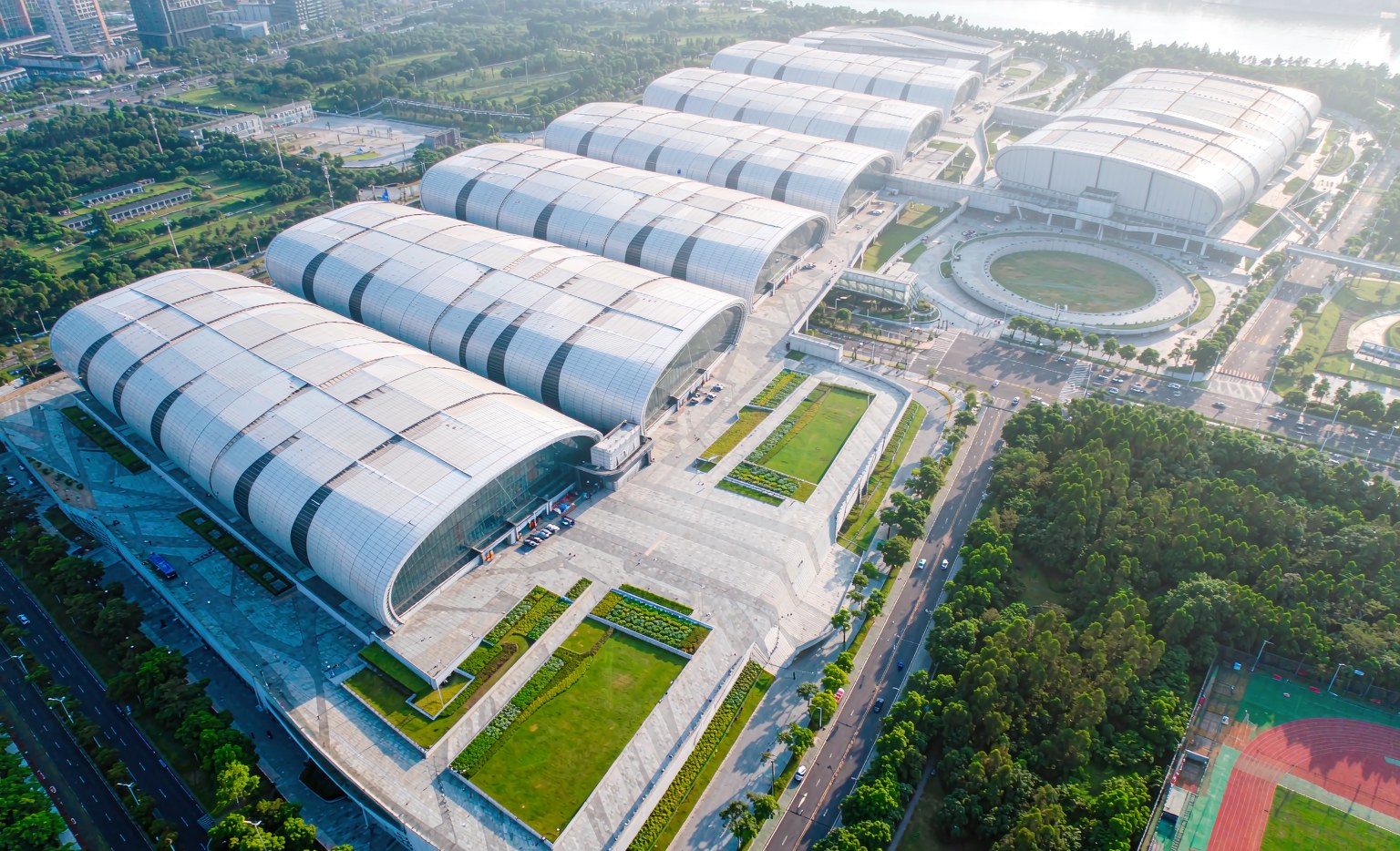
Phase 1 of the 140th Canton Fair opened on 15 October 2026 and runs to 19 October. The buyers who get value out of it are rarely the ones who walk the most halls — they arrive with a sequence. Day one at Pazhou is where a five-day sourcing trip is either set up or quietly wasted: the complex covers roughly 1.55 million square metres, some 32,000 exhibitors are on the floor, and the auto parts, vehicle and new energy categories you came for sit alongside machinery, hardware and lighting across the same five days. This guide is the day-one plan: what is open, where the parts halls fit, how to sort your badge before you queue, how to sequence the floor without burning your energy by noon, what to ask and record at each booth, and the mistakes that cost buyers the rest of the week.
What Is Open: Phase 1 at a Glance
Before you plan the day, confirm the frame you are working inside. The 140th session runs in three phases, and for auto parts only the first one matters — Phase 2 moves to housewares, gifts and building materials, and Phase 3 to textiles, toys and food. The China Import and Export Fair Complex in Pazhou hosts all three, but the exhibitor list changes completely between phases, so a buyer who arrives in the wrong window finds nothing relevant.
Two numbers frame the week: about 1.55 million square metres with around 32,000 exhibitors, and roughly 314,000 overseas buyers from 220 countries and regions at the previous session. Scale like that rewards filtering far more than walking.
| Item | Phase 1 detail | Why it matters on day one |
|---|---|---|
| Session | 140th Canton Fair (autumn 2026) | Confirms which official schedule and app data applies |
| Phase 1 dates | 15–19 October 2026 | Five trading days; day one is for scanning, not closing |
| Trading hours | 09:30–18:00 daily | Eight and a half hours minus lunch and transit |
| Venue | China Import and Export Fair Complex, Pazhou, Haizhu District, Guangzhou | Areas A–D are internally connected but walking costs time |
| Exhibition area | About 1.55 million m² | Plan by area, not by “the whole fair” |
| Exhibitors | Around 32,000 | Pre-filtering on the official platform is mandatory |
| Changeover breaks | 20–22 October and 28–30 October | Natural windows for factory visits outside the halls |
Treat the 09:30–18:00 window as roughly six usable hours after security, transit and a meal. That is the real budget for day one, and why the sequence below matters more than stamina.
Where Auto Parts Sit Inside Phase 1
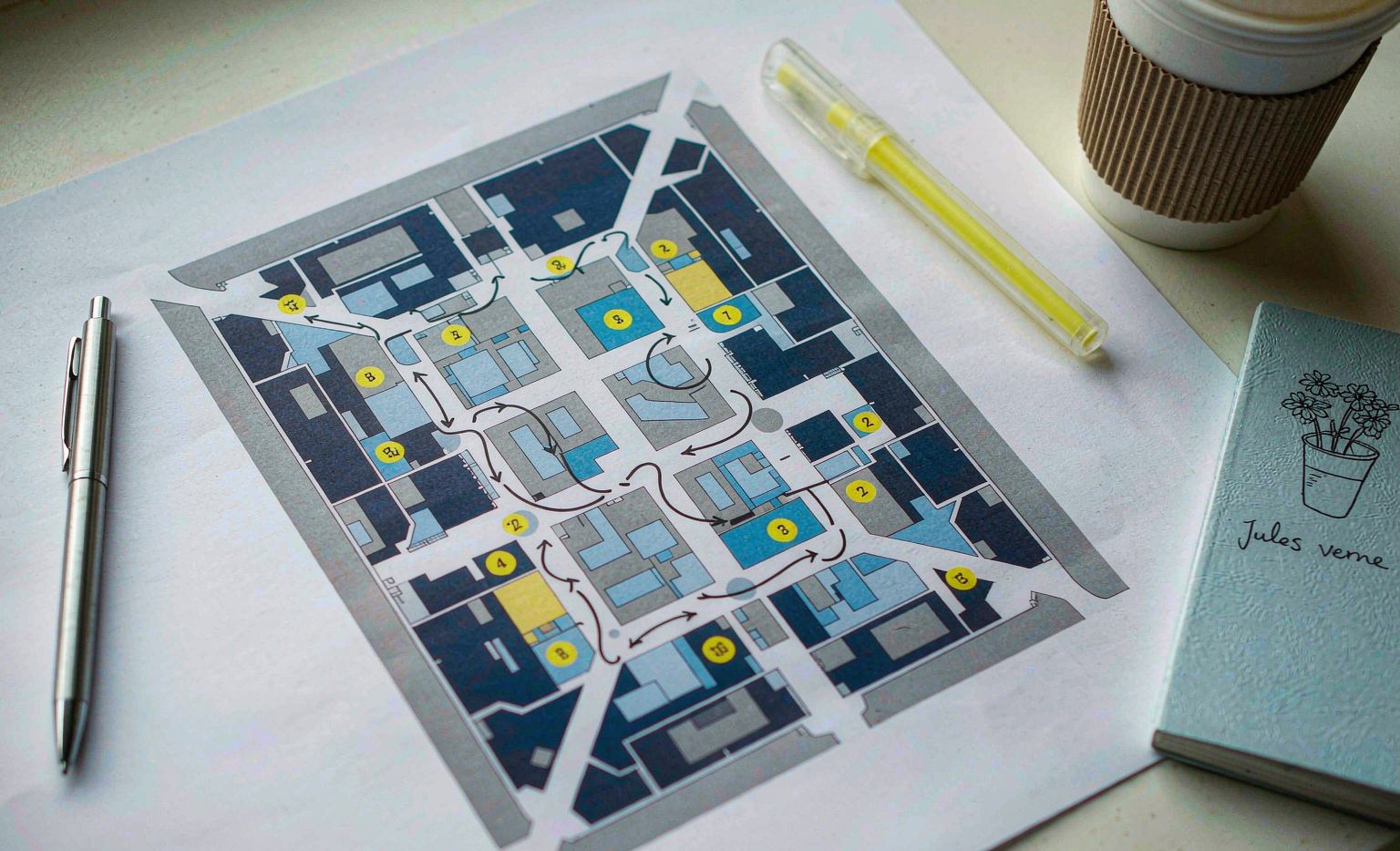
Auto parts does not occupy a single labelled building — it sits inside a cluster of vehicle-related categories that run together through Phase 1. Alongside vehicle and auto parts, the phase covers new energy vehicles and smart mobility, motorcycles, bicycles, new energy products, lighting, electronic and electrical products, hardware and tools, plus a long tail of machinery and industrial categories.
The practical consequence is that your target suppliers are scattered across several areas rather than gathered in one. A brake parts buyer may find friction material suppliers in one area and machining-capable factories in another, while the moulding and packaging capability that decides landed cost sits elsewhere again. Buyers who assume there is a single “auto parts hall” spend their first morning discovering that there is not.
Our walk-through of the auto parts halls at Pazhou maps how brakes, filters, suspension and electrical suppliers distribute across the complex. Read it the night before and mark your top fifteen exhibitors on the venue plan — that list is your day-one route.
Badge First: Registration and the Remote Pick-Up Option
Nothing else works until the badge is sorted, and this is the step most first-time buyers lose an hour to. Overseas buyer pre-registration runs year-round through the official buyer service system, and the buyer badge itself is free for qualified overseas buyers. The detail that saves the most time: first-time overseas buyers can complete pre-registration online and then collect the badge at remote registration centres rather than queueing at the complex.
Those remote points include Guangzhou Baiyun International Airport, Guangzhou South Railway Station, the Pazhou Hong Kong–Macao passenger port, designated badge hotels, and the Canton Fair office in Hong Kong. If you are flying in on the morning of day one, collecting at the airport or your hotel the evening before is the difference between starting at 09:30 and starting at 11:00.
If you have not registered at all, do it on the official platform before you leave the hotel — our step-by-step guide to registering as an overseas buyer, including the invitation letter and visa questions, covers the sequence. Keep your passport, a photo of it, and your confirmation accessible; you will show them repeatedly.
Your First 90 Minutes Inside the Complex
The first ninety minutes are for setup, not selling. Enter through the gate for your target area, clear security, and get oriented before you speak to anyone. The complex is large enough that a wrong entrance costs twenty minutes of walking before you have met a single supplier.
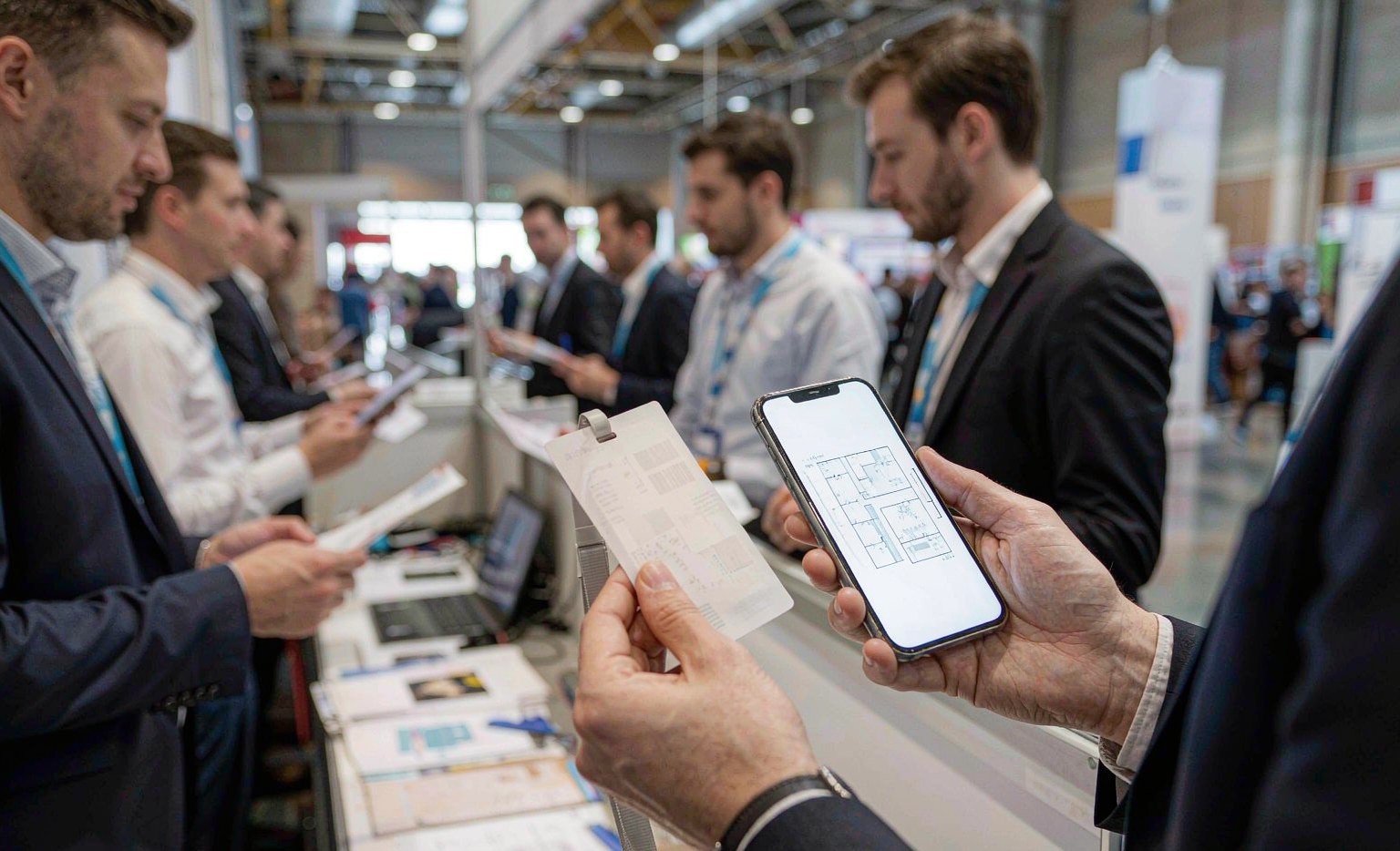
Once inside, do four things in order. Collect or confirm your badge and keep it visible. Download or open the official app and sign in, since exhibitor search, booth navigation and messaging all run through it. Pull up your pre-filtered exhibitor list and sort it by area so that your route does not cross the complex twice. Then set a meeting rhythm: two or three substantive conversations per hour is a realistic ceiling once you include walking time, and trying to beat it produces a stack of business cards you cannot act on later.
The fair continues to extend real-time indoor navigation and positioning across the complex. Use it, but keep a screenshot of your route as backup — connectivity inside a crowded hall is not guaranteed.
How to Sequence the Halls on Day One
The most common structural mistake on day one is front-loading conversations. Buyers meet their most promising supplier first, spend ninety minutes in a deep discussion, and reach their second target at 13:00 with no baseline for comparison. Day one is a scanning day: gather enough quotes and samples to compare, and save the negotiation for days three and four when you have five competing offers in hand.
| Time | Activity | Target output |
|---|---|---|
| 09:00–09:30 | Arrive, clear security, enter your first area | Inside the hall before trading gets busy |
| 09:30–11:00 | Fast pass over your pre-filtered list | Shortlist of 8–12 booths worth a second visit |
| 11:00–13:00 | Deep conversations at the top 4–6 shortlisted booths | Quotation sheets with MOQ, lead time and packaging |
| 13:00–14:00 | Lunch and same-day notes while memory is fresh | Written notes on every booth visited |
| 14:00–16:30 | Second area or the remaining shortlist | Comparison set across at least 3 suppliers per part |
| 16:30–18:00 | Book follow-ups, confirm factory visit slots | Calendar holds for days 2–5 and the changeover break |
Two scheduling notes. The 20–22 October changeover break has no exhibition running, making it the window for factory visits outside Pazhou — confirm those slots on day one while suppliers are still on site. And because Phases 2 and 3 bring different exhibitor lists, any supplier you want to see again must be re-booked inside 15–19 October.
Five Questions to Ask at Every Auto Parts Booth
Booth conversations drift toward price far too early. Price is the last variable worth pinning, because it means nothing until you know what is being quoted. These five questions take under ten minutes together and separate a real manufacturer from a catalogue reseller.
| Question | What a strong answer sounds like | What should slow you down |
|---|---|---|
| Are you the manufacturer or a trading company? | Names the factory, the production site and the processes done in-house | Vague answers about “our partner factory” with no location |
| Can you quote against this OE number? | Confirms the number, states fitment and any supersession | Quotes only a generic part category with no number check |
| Which certifications cover this part? | Names IATF 16949 or ECE R90 where relevant, with certificate scope and validity | A certificate photo with no number, scope or expiry readable |
| What is the MOQ and the lead time? | Specific MOQ per reference, realistic lead time, states whether mixed orders count | A single MOQ quoted for every part regardless of type |
| How is it packed and how many fit a container? | Gives carton quantity, packing method and a 20ft or 40ft loading figure | “We will check later” on packing, which hides freight cost |
The fifth question is the one buyers skip, and it is where landed cost is actually decided. A part quoted two percent lower but packed twenty percent less efficiently loses the difference in freight. Our guide on verifying auto parts suppliers at the fair covers certificates, OE cross-references and factory audits in more depth — bring it with you.
What to Record Before You Walk Away
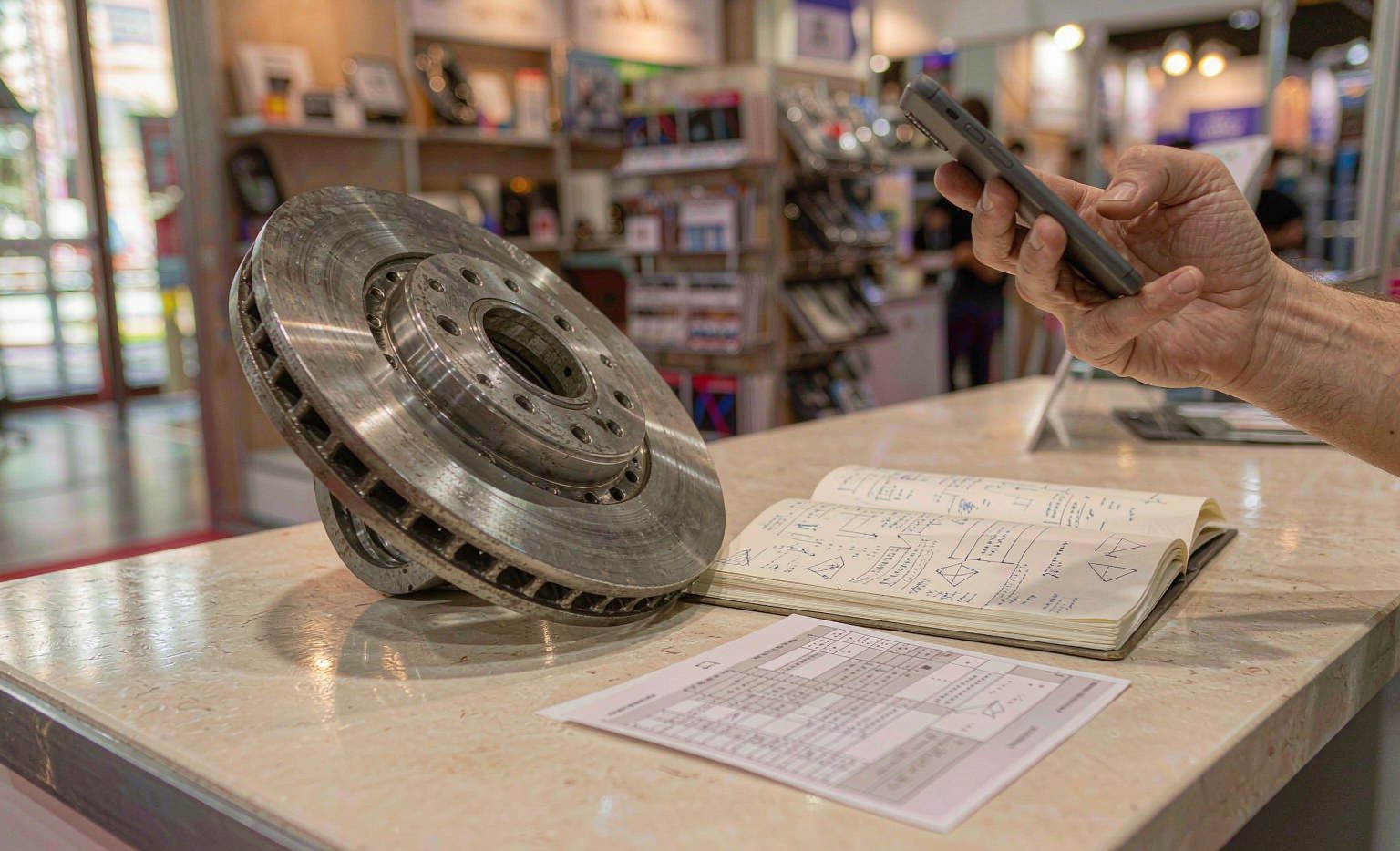
By the end of day one, booths blur. Two suppliers with similar catalogues become indistinguishable within forty-eight hours unless you captured something specific at the time. The fix is a fixed record you fill in standing at the booth, before the next conversation overwrites the last one.
| Field | Why it matters later |
|---|---|
| Area, aisle and booth number | Lets you return on day three without searching |
| Company name and business card photo | Cards get separated from notes; a photo does not |
| OE numbers quoted, with your own fitment list | The only reliable basis for comparing two quotations |
| Quoted price, MOQ, lead time, incoterm | Without the incoterm, two prices are not comparable |
| Packing data and container loading figure | Determines landed cost more than unit price does |
| Sample photo with label and booth sign in frame | Prevents the classic “which supplier sent this” problem |
| Your verdict: shortlist, maybe, or drop | A one-word judgement made on the spot beats a vague memory |
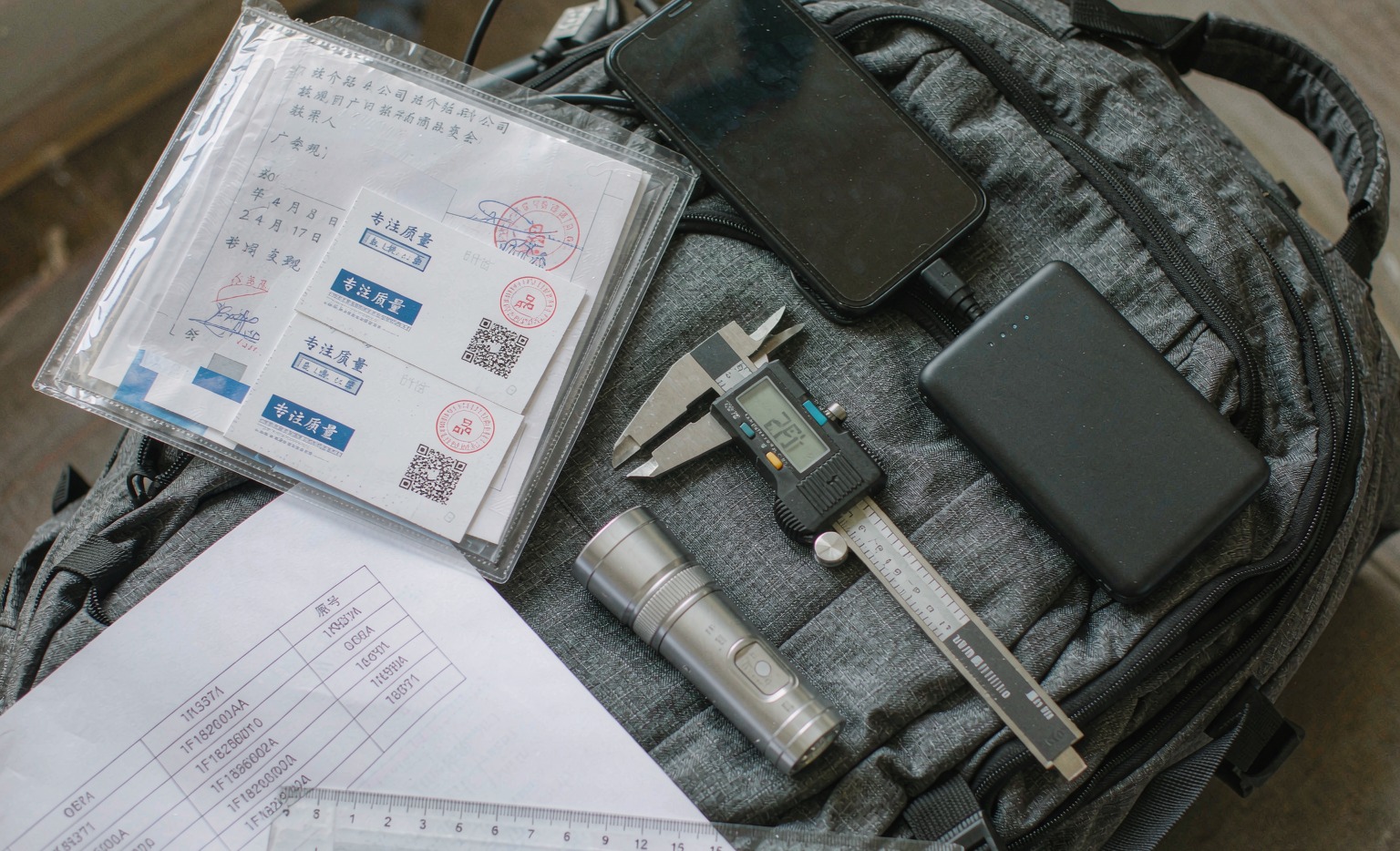
Our buyer checklist for Phase 1 covers what to bring — cards with a WeChat QR code, a caliper, a portable charger and a printed OE list. Seven fields per booth feels heavy until day four, when only one of three suppliers has complete numbers.
Day-One Mistakes That Cost Buyers the Week
Six errors account for most wasted Canton Fair trips, and every one of them is a day-one error. Negotiating seriously on day one before you have competing quotes. Committing to a factory visit without checking how far it is from Pazhou. Accepting a quotation without an incoterm. Photographing products without capturing the booth number. Spending the morning in the wrong area because you entered at the nearest gate rather than the right one. And skipping the changeover-break planning until the last day, by which point the good factory visit slots are gone.
There is also a quieter one: treating the five days as the whole opportunity. The official online platform and app run year-round and mirror the on-site categories, so a supplier you miss this week is still reachable in November. Buyers who combine both — this is covered in our comparison of Canton Fair sourcing versus year-round online sourcing — recover most of what a tight schedule costs them.
Using the Online Platform While You Walk the Halls
The official website and app operate continuously through the year with the same categories as the physical fair, which makes them useful inside the halls rather than only after them. Exhibitor and product search filters by industry, product type, parameters and company type, so you can resolve a question on the floor instead of noting it for later. Buyers can publish purchasing intentions, exchange e-cards, and book appointments; suppliers can also initiate contact once you are connected.
The app adds the pieces that matter on day one: booth navigation, digital catalogues, an AI assistant for answering fair questions, AI note-taking, itinerary planning and badge application. Set it up the evening before, not at the gate. Combined with real-time navigation deployment across the venue, it turns the app into your floor plan rather than a brochure.
One caution: the platform is a discovery and communication tool, not a verification tool. Everything it tells you about a supplier still needs the on-booth checks — licence, certificates, samples, OE numbers — before it becomes a purchase decision.
Where a Guangzhou-Based Export Partner Fits
Not every buyer arrives with a team. If you are sourcing alone, or covering several part categories in five days, a local partner changes what day one can achieve: someone to pre-screen the exhibitor list, join supplier meetings as a second pair of ears, and translate not just language but the difference between a factory quoting its own line and a trader quoting someone else’s.
At Phase 1 this week, 15–19 October 2026? Send your OE number list and target categories — we are based in Guangzhou, a short drive from Pazhou, and can prepare a walking route, sit in on supplier meetings, or meet you between halls for sample review. Contact Mr Didi: ucars@global-ucars.com | WhatsApp +86 133 0240 8528 | or reach us through our contact page. Checking a part number before you quote it? Look it up in our OE parts library, or read our full Canton Fair 2026 auto parts buyer’s guide.
Frequently Asked Questions
What time does Canton Fair Phase 1 open?
Trading runs 09:30–18:00 daily across 15–19 October 2026. Arriving before 09:30 lets you clear security and enter your first area before the halls fill. After security, transit between areas and a meal, budget roughly six usable hours rather than the full eight and a half.
Do I need a badge, and can I get one at the venue?
Yes, overseas buyers need a buyer badge, and pre-registration through the official buyer service system is open year-round and free for qualified overseas buyers. First-time overseas buyers can pre-register online and collect the badge at remote centres including Guangzhou Baiyun International Airport, Guangzhou South Railway Station, the Pazhou Hong Kong–Macao passenger port, designated badge hotels and the Canton Fair office in Hong Kong — which avoids queueing at the complex on day one.
Which phase should auto parts buyers attend?
Phase 1 only, 15–19 October 2026. Auto parts, vehicles, new energy vehicles and smart mobility, motorcycles and bicycles all sit in Phase 1, alongside hardware, tools, lighting and machinery. Phase 2 moves to housewares, gifts and building materials, and Phase 3 to textiles, toys and food, with exhibitor lists changing completely between phases.
How many suppliers should I visit on the first day?
Plan a fast pass over your pre-filtered list in the morning to shortlist eight to twelve booths, then hold substantive conversations at four to six of them. Two or three real conversations per hour is a realistic ceiling once walking time is included. Day one is for building a comparison set, not for closing — negotiate on days three and four with several quotes in hand.
What should I record at each booth?
Capture area, aisle and booth number; company name with a photo of the business card; the OE numbers quoted against your own fitment list; price with MOQ, lead time and incoterm; packing data and container loading figures; a sample photo with the label and booth sign in the same frame; and a one-word verdict. Without the incoterm, two prices are not comparable, and without the booth number you cannot return.
Can I still source from Canton Fair exhibitors after 19 October?
Yes. The official website and app run year-round with the same categories as the physical fair, supporting exhibitor search, purchasing intentions, e-card exchange and appointment booking. The 20–22 October and 28–30 October changeover breaks have no exhibition running, which makes them the practical windows for factory visits and sample reviews outside the halls.
Related Articles

Related Products
From our export catalog — parts and vehicles ready for international delivery

Full-Size EREV SUV
2026 Rox Adamas EREV 215km 6-Seat Executive Edition
USD 53,000 FOB Guangzhou
View Details
Full-Size EREV SUV
2026 Rox Adamas EREV 215km 7-Seat All-Terrain Edition
USD 51,500 FOB Guangzhou
View Details
