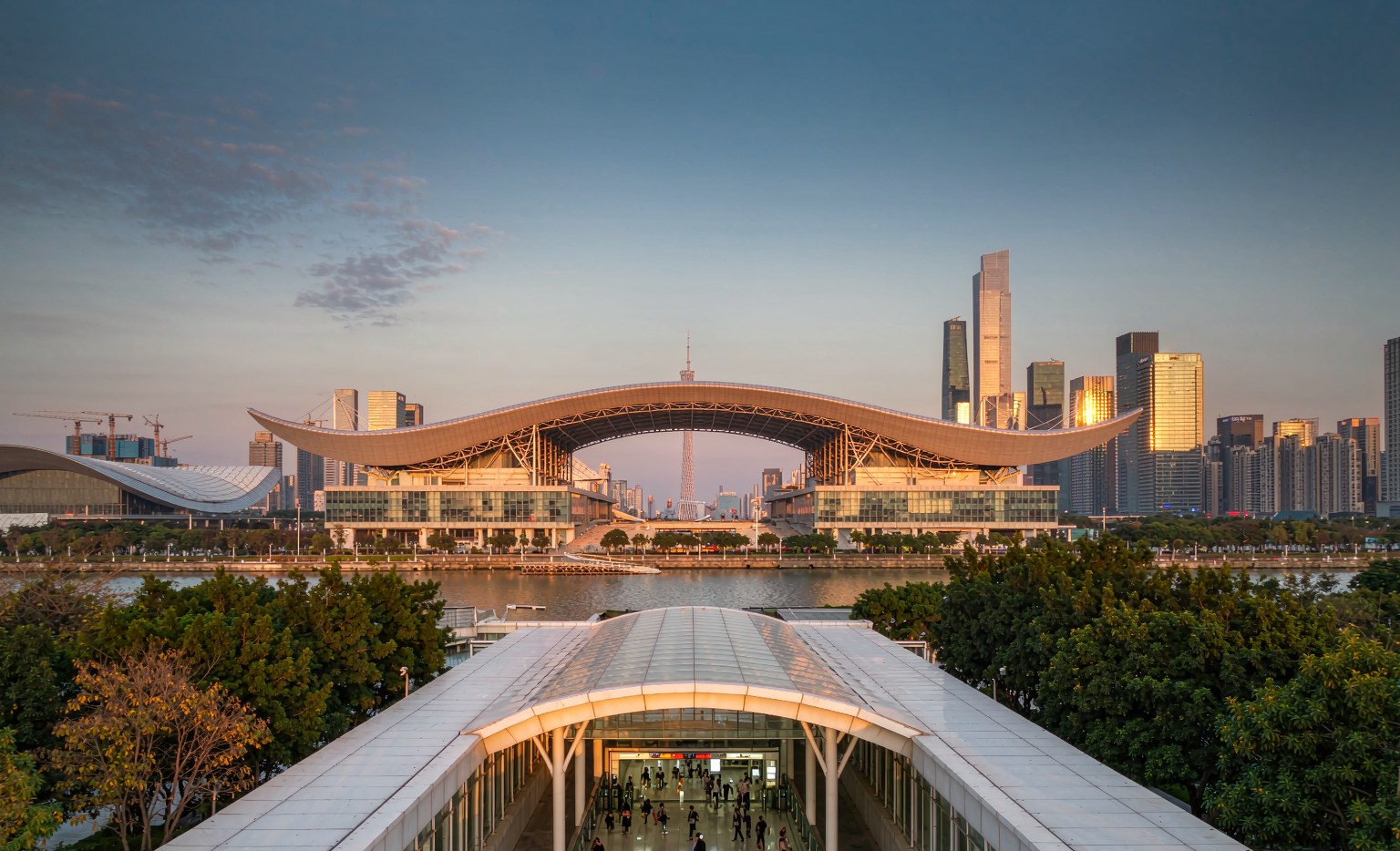
A sourcing trip to the Canton Fair is decided as much by logistics as by the halls. Where you sleep, how you reach Pazhou, whether your phone has data and whether you can pay for a taxi at midnight all shape how many suppliers you actually meet. With the 140th session’s Phase 1 running 15–19 October 2026, this Guangzhou travel guide covers the practical layer first-time and returning buyers ask about most — hotels near the Canton Fair, the metro, mobile payments, SIM cards and eSIM, what to pack and how to structure a day at the venue. Get these right and the fair stops being an endurance test and starts being the fastest week of supplier work in your calendar.
Guangzhou for Canton Fair Week: What to Plan First
Four decisions determine how smooth your week goes, and all four are best made before you fly: your hotel area, your metro route, your payment setup and your mobile data. Everything else — food, packing, daily timing — is easier to improvise once those four are locked. The venue is the China Import and Export Fair Complex in the Pazhou area of Haizhu District, and the whole city bends around it during the fair: metro trains run fuller, hotel rates climb, and the roads around the complex slow to a crawl at peak times.
The single most useful habit is to treat the trip as a business week with a travel layer on top. Map your target supplier halls first, then choose a hotel and route that get you to those halls with the least friction. Buyers who book a hotel at a good price but thirty minutes from the wrong entrance spend their week compensating for that choice.
One planning note for Phase 1 specifically: the 15–19 October window covers vehicles, auto parts, new energy vehicles, machinery and hardware. If your sourcing is auto parts and vehicles, this is your phase — there is no need to attend the later phases unless you also buy home goods or textiles.
Getting There: Flights, Airport and the Metro to Pazhou
Most international buyers arrive at Guangzhou Baiyun International Airport (CAN). From the airport, the metro is the lowest-cost reliable route to the fair area: take Line 3 and transfer to Line 8 for Pazhou. The journey runs roughly 50 minutes and costs around CNY 10. Taxis and ride-hailing work, but during fair week traffic near the complex is heavy, so build in extra time and set your destination to the correct gate for your exhibition area.
The metro itself drops you at the door of the fair, which is why it is the default choice for buyers staying anywhere on the network.
| Canton Fair area | Metro station and exit | Notes |
|---|---|---|
| Area A / D | Line 8 → Xingangdong Station, Exit A | Direct walk into the halls |
| Area B | Line 8 → Pazhou Station, Exits A / B | Also connects to Line 11 |
| Area C | Line 8 → Pazhou Station, Exit C | Short walk from the station |
| Airport arrival | Line 3 → transfer Line 8 → Pazhou | ~50 minutes, ~CNY 10 |
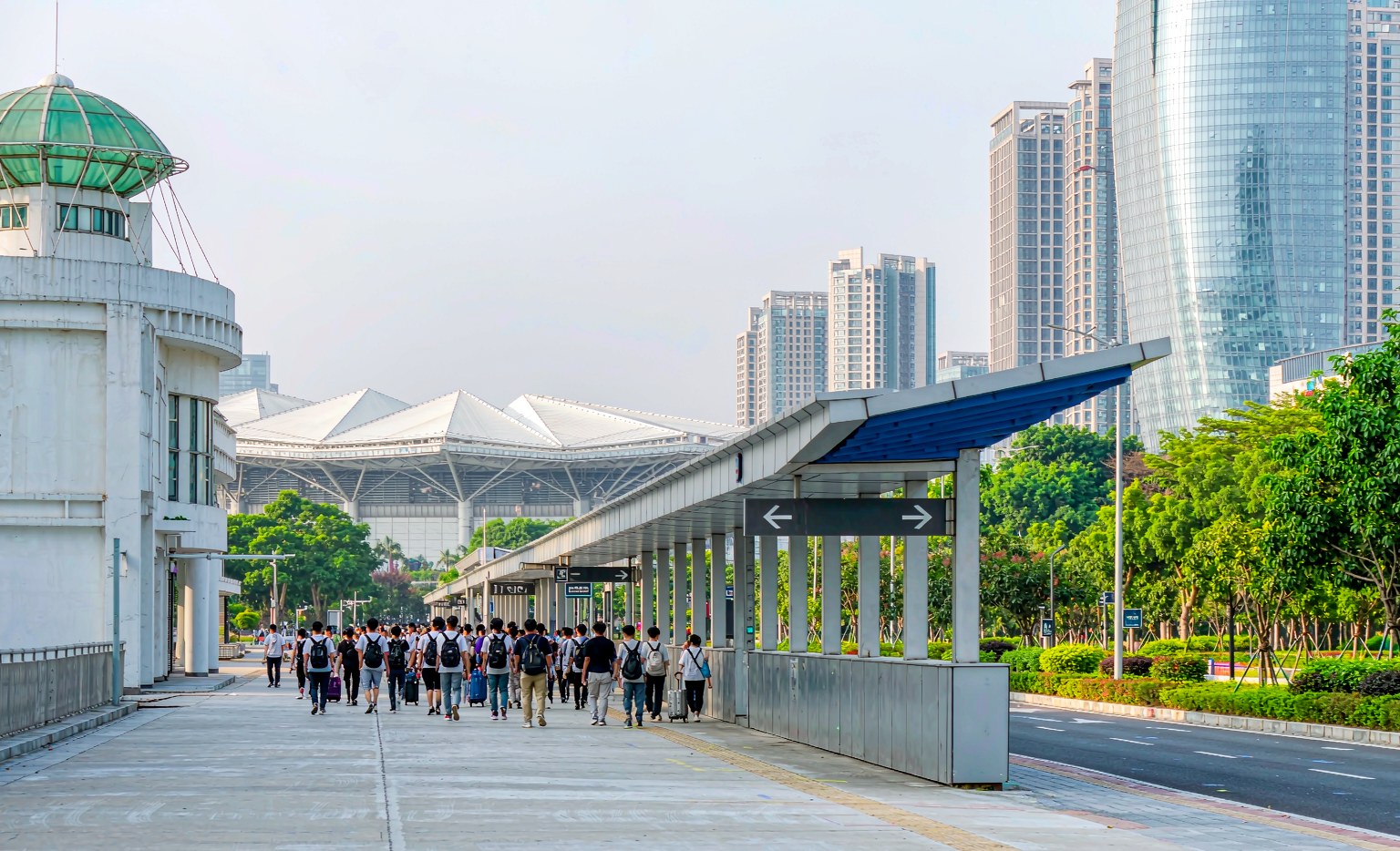
Check your area before choosing a station exit — the complex is very large and the areas are internally connected, but walking between halls still takes time. During the fair, allow extra minutes for security checks and queues, and check live crowd levels on a map app before setting off.
Where to Stay: Pazhou, Tianhe and What Fair-Week Rooms Cost
Hotels near Pazhou sell out early and fair-period rates commonly run two to three times their normal price. Book two months or more ahead, or accept whatever remains. The trade-off is always the same: distance buys price.
| Area | Pros | Cons | Typical fit |
|---|---|---|---|
| Pazhou / Haizhu (walking distance) | Walk or short ride to the halls; some hotels connect by skybridge | Highest fair-week rates; books out first | Buyers with back-to-back meetings |
| Tianhe | More choice and lower cost; ~30 min by metro | Daily commute in and out | Buyers balancing fair and city time |
| Yuexiu / central | Budget-friendly; good metro links; central for dining | Longer commute to Pazhou | Longer stays and first-time visitors |
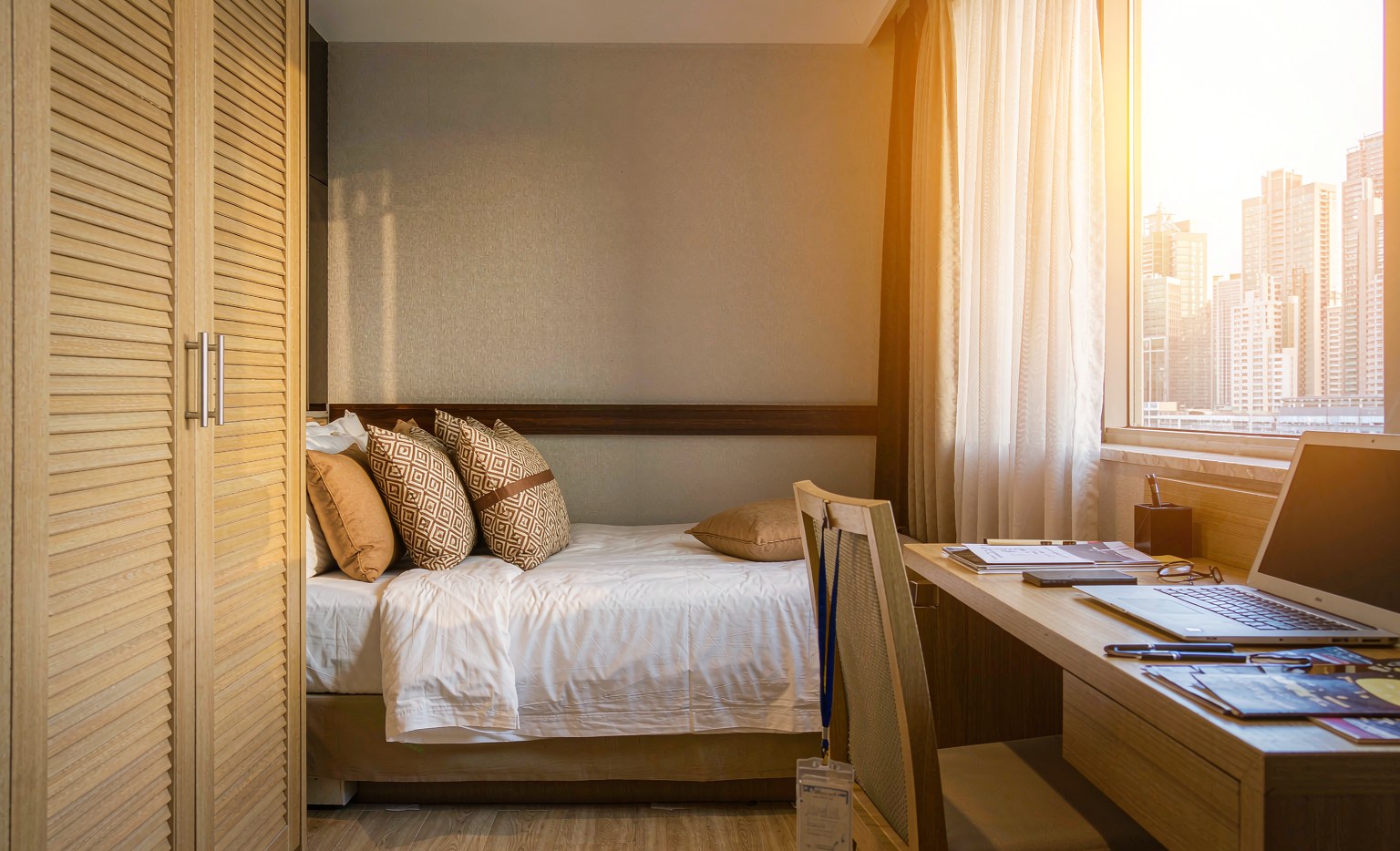
Within Pazhou, hotels range from international brands next to the complex to mid-range and economy options one or two metro stops away. A room within walking distance of Area C, or a hotel with a direct bridge to Areas A, B and C, removes the daily commute almost entirely. Mid-range rooms near Pazhou metro commonly sit in the CNY 550–900 range around fair week, with premium properties well above that. To judge any listing, check two things: the walking distance to the specific area you will visit most, and whether the hotel offers on-site badge printing or a shuttle.
Getting Around: Metro, Taxi, DiDi and the Tram
The metro is the workhorse of fair week: it is fast, cheap, air-conditioned and immune to the traffic that clogs the roads around the complex. Line 8 serves Xingangdong and Pazhou, and Pazhou also connects to Line 11, which eases pressure during peak periods. Buy or top up a metro card or use your phone, and keep your badge handy so you can move between halls and stations quickly.
Taxis and ride-hailing (DiDi) are useful when you carry luggage or travel outside peak hours, but near the fair they face the same congestion as everyone else. For drop-offs, set your destination to the gate for your area and follow staff directions to designated pick-up and drop-off points. Local buses and the Haizhu tram add connections between the venue and nearby districts. The rule that saves the most time: check your area and entrance before you leave the hotel, and plan your day around one or two areas rather than trying to cross the whole complex twice.
Payments in China: Alipay, WeChat Pay, Cards and Cash
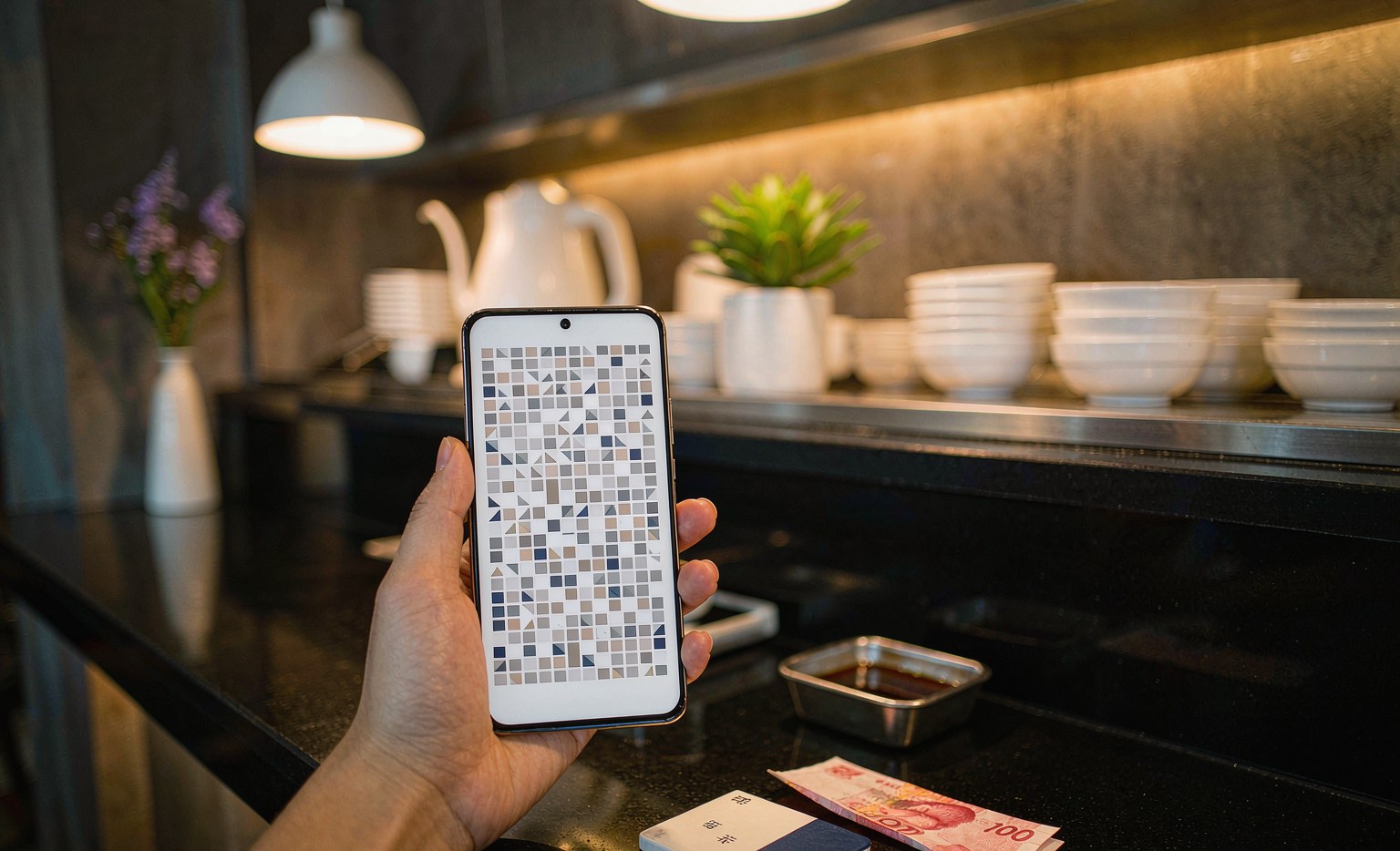
China runs on mobile payments, and the good news for visitors is that both major wallets now support international cards. Link your card to Alipay and to WeChat Pay before you arrive, because the moment you want to hail a ride, buy a metro ticket or pay a small vendor, the phone is the fastest option. International cards work at major hotels and larger merchants but less reliably at small shops, stalls and taxis, so do not rely on plastic alone.
| Method | Where it works | Setup |
|---|---|---|
| Alipay (linked to international card) | Widely accepted, including small vendors | Link your card and verify your passport before arrival |
| WeChat Pay | Widely accepted; also your main supplier messaging tool | Set up a WeChat account and link a card |
| International credit card | Major hotels and larger merchants | Carry as backup; acceptance is uneven elsewhere |
| Cash (CNY) | Universal fallback | Keep roughly CNY 500–1,000 in small notes |
Set up both wallets and add a cash buffer. The goal is to never be the buyer stuck at a counter with a card that the terminal will not read while a supplier waits.
Staying Connected: SIM Cards, eSIM, VPN and WeChat
Connectivity is where first-time visitors lose the most time, so decide your route before departure. You have three practical options, and they differ not only in price but in which internet you can reach.
| Option | What you get | Best for |
|---|---|---|
| Physical Chinese SIM (China Mobile / Unicom / Telecom) | A +86 number; passport registration and facial verification required at the counter | Buyers who want a local number and app registrations |
| Travel eSIM (routed outside the mainland) | Data without a +86 number; international apps reachable without extra setup | Short-stay buyers who want the fastest setup |
| International roaming | Your home number and data via roaming agreements | Very short trips; usually the priciest option |
The nuance that matters: a mainland SIM or mainland eSIM sits behind China’s internet filtering, so services such as Google and WhatsApp will not load without a VPN. A travel eSIM whose traffic is routed outside the mainland, or international roaming, generally reaches those services without extra configuration. Many experienced buyers run both — a physical Chinese SIM in one slot for the +86 number, and a data eSIM for open access. Install WeChat and Alipay before you land, set up your VPN before you fly (it is harder to obtain once you are inside), and save your hotel address in Chinese offline.
Airport telecom counters in the arrivals area can sell and activate a physical SIM with passport registration in around ten minutes, and tourist packages commonly run from roughly CNY 120–300 for 15–30 days with generous data. If your phone supports eSIM and you want to skip the queue, a travel eSIM installed before departure is often the smoother path.
What to Pack and What to Wear for a Full Day of Walking
The complex is vast, and a serious buyer walks 8–15 kilometres a day between halls. Pack for that reality:
- Comfortable shoes. This is the most important item. Wear the most comfortable pair you own and bring a second pair to rotate.
- A business card stack. Physical cards remain standard with Chinese suppliers — bring 200 or more, and add a WeChat QR code to speed follow-up.
- A lightweight bag or small trolley. Samples, catalogues and business cards add up fast; a wheeled trolley helps with larger sample collections.
- A portable charger and a refillable water bottle. Full days on the phone and on your feet drain both.
- A caliper and your OE list. The two tools that turn a booth visit from browsing into verification.
Guangzhou in October is warm and can be humid, with occasional rain, so light breathable clothing and a compact umbrella cover most days. Dress smart-casual: comfortable enough for a full day of walking, presentable enough for a supplier meeting.
Food, Water and Energy: Eating Around the Fair
On-site restaurants in the areas around the complex serve Cantonese and international food, but queues between 12:00 and 13:00 can run long. Shift your lunch to about 11:30 or 13:30 and you reclaim half an hour of hall time. Keep hydrated through the day — the air conditioning, the walking and the talking add up — and carry a snack so a missed lunch does not cost you the afternoon.
Outside the venue, Guangzhou rewards a short detour for dinner: the city is famous for Cantonese cuisine, and a proper meal away from the complex is a good way to debrief with a colleague or treat a supplier contact. Because many smaller restaurants run on mobile payment, the Alipay and WeChat Pay setup in section five earns its keep at dinner as much as at the fair.
A Practical Day Plan for Phase 1 at Pazhou
A workable rhythm for a fair day:
- 07:30 — breakfast and check. Confirm your badge, your target halls and your metro station for the day.
- 09:00 — arrive early. Doors open around 09:30; arriving before the crowd means your first meetings start on time.
- 09:30–12:00 — deep meetings. Spend the morning on your top-priority suppliers while you are freshest.
- 11:30 or 13:30 — lunch. Eat off-peak to avoid the queue.
- 13:30–17:00 — second sweep. Work the next area on your list, collecting samples and quotations.
- 17:00–18:00 — wrap and record. Voice-memo each booth and log contacts while the day is fresh.
- Evening — follow-up. Send recap messages and rank suppliers before you sleep; the first 48 hours decide who takes you seriously.
The plan is deliberately front-loaded: your most important meetings happen before fatigue sets in, and your notes happen before memory blurs. If you are attending on behalf of a colleague or client, this is also the structure we follow when walking the halls for buyers — our daytime with your OE list, your evening follow-up the same day.
Budget and Safety Tips for First-Time Visitors
A first trip generally lands somewhere between USD 1,200 and 2,500 all-in: flights, fair-week hotel, local transport and meals, with the buyer badge free when pre-registered through the official system. The variable that moves the number most is hotel timing — book early and the same trip costs markedly less.
On safety and small practicalities: keep your passport and a photo of it stored separately, use hotel safes for documents, and keep small notes on hand for the places that will not take a card. Carry the address of your hotel in Chinese so a taxi driver can read it. Keep your badge visible in and around the complex. And pace yourself — a fair week is a marathon, and the buyers who schedule recovery time in the evening still have energy for their best meetings on day four and five.
Coming to Phase 1 (15–19 October 2026)? Send your OE number list and target part categories before you fly — we are based in Guangzhou, a short drive from Pazhou, and can prepare a walking plan, join your supplier meetings, or meet you between halls for sample review. Contact Mr Didi: ucars@global-ucars.com | WhatsApp +86 133 0240 8528 | or reach us via our contact page. Planning what to verify once you arrive? Read how to verify auto parts suppliers at the fair, or check an OE number in our OE parts library.
Frequently Asked Questions
Where should I stay for the Canton Fair?
Pazhou and Haizhu are closest, letting you walk or take a short ride to the halls — ideal if you have back-to-back meetings. Tianhe offers more choice at lower cost, about 30 minutes away by metro, and Yuexiu is a budget-friendly option with good metro links. Fair-period rates run two to three times normal, so book two months or more ahead.
How do I get to the Canton Fair by metro?
Line 8 serves the venue: Xingangdong Station, Exit A for Areas A and D, and Pazhou Station, Exits A or B for Area B and Exit C for Area C. Pazhou also connects to Line 11 to ease peak crowding. From Baiyun Airport, take Line 3 and transfer to Line 8; the journey runs about 50 minutes for roughly CNY 10.
Can I use Alipay and WeChat Pay as a foreign visitor in China?
Yes. Both wallets support international cards for foreign visitors. Link your card and verify your passport before you arrive. They are the fastest way to pay for metro rides, taxis, restaurants and small vendors. International cards work at major hotels and larger merchants but less reliably at small shops and taxis, so carry a cash buffer of roughly CNY 500–1,000 as backup.
Do I need a VPN or a Chinese SIM card for the Canton Fair?
It depends on which internet you need. A mainland SIM or mainland eSIM gives you a +86 number but sits behind China’s internet filtering, so services like Google and WhatsApp need a VPN. A travel eSIM routed outside the mainland, or international roaming, generally reaches those services without extra setup. Many buyers run both and set up their VPN before departure.
How much should I budget for a Canton Fair trip?
A first trip typically lands between USD 1,200 and 2,500 all-in, covering flights, fair-week hotel, local transport and meals. The buyer badge is free when pre-registered through the official system. The biggest variable is hotel timing — booking early can cut the total noticeably, since fair-week rooms run two to three times normal rates.
What should I bring to the Canton Fair?
Comfortable walking shoes above all — you may walk 8–15 kilometres a day. Bring 200 or more business cards with a WeChat QR code, a lightweight bag or small trolley for samples, a portable charger, a refillable water bottle, a caliper, and your OE number list. Keep your passport, badge and a photo of your passport stored separately for security.
Related Articles

Related Products
From our export catalog — parts and vehicles ready for international delivery

Full-Size EREV SUV
2026 Rox Adamas EREV 215km 6-Seat Executive Edition
USD 53,000 FOB Guangzhou
View Details
Full-Size EREV SUV
2026 Rox Adamas EREV 215km 7-Seat All-Terrain Edition
USD 51,500 FOB Guangzhou
View Details
