
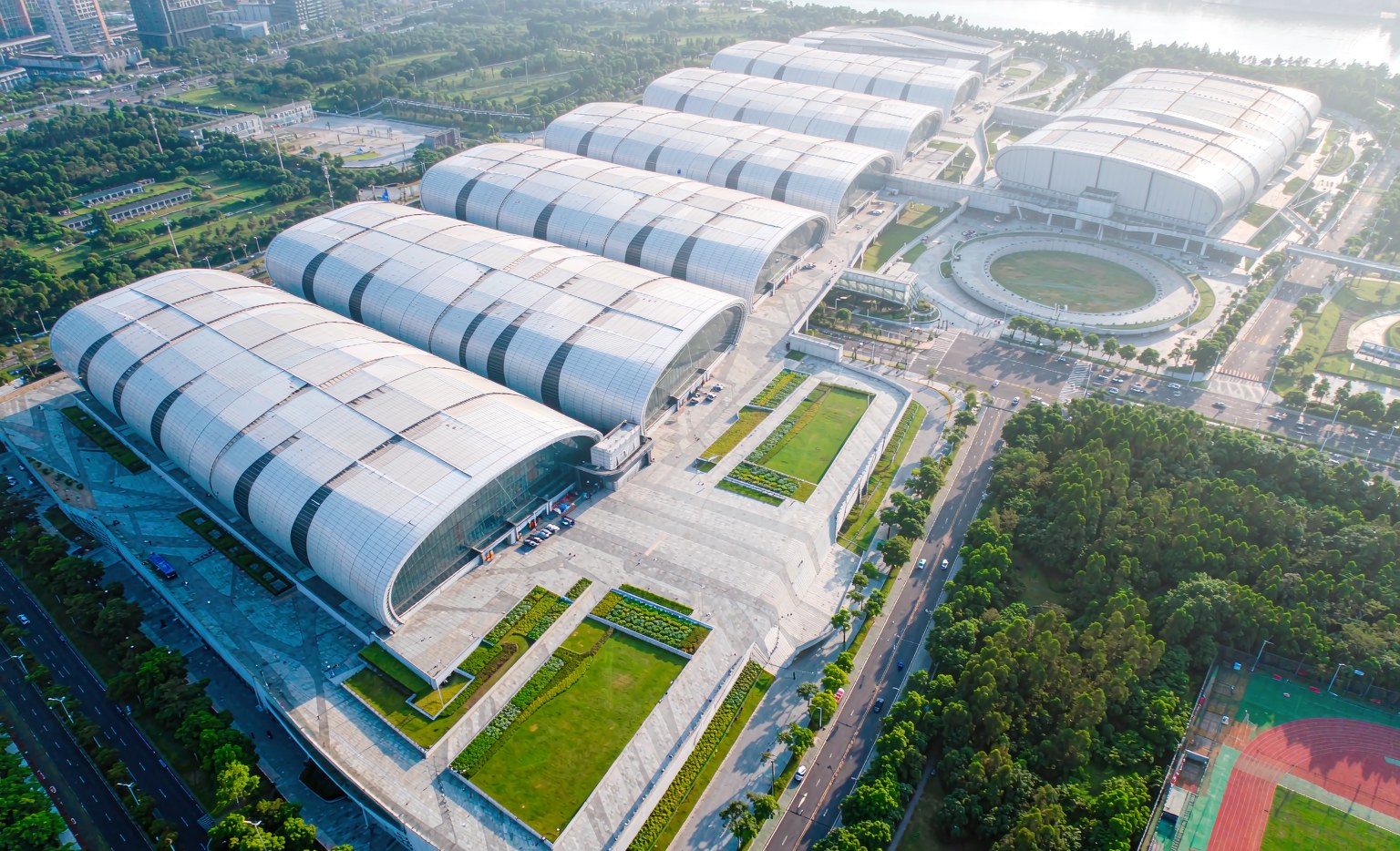
Every October, buyers ask the same question: is a trip to the Canton Fair worth it, or can you handle sourcing auto parts from China entirely online? The honest answer is that neither channel wins on its own. The 140th Canton Fair runs its auto-parts-relevant Phase 1 from 15–19 October 2026 at the Pazhou complex in Guangzhou, while the fair’s official website and app operate 365 days a year, 24 hours a day — a pairing that mirrors how the most successful buyers already work. They use the fair to compress supplier evaluation into five intense days, then use online channels for the other 360 days of ordering, reordering and price checking. This guide breaks down what each channel does better, what a trip actually costs versus the risks of buying blind, and how real buyers combine both into one calendar — the working answer for anyone sourcing auto parts from China in 2026.
Is the Canton Fair Worth It for Auto Parts Buyers? The Short Answer
The Canton Fair is worth it for buyers who need to evaluate suppliers face to face, compare physical samples side by side, or negotiate MOQ and pricing terms that decide whether a container order is profitable. It is not worth it for buyers who only need to reorder an SKU they already validated, or who buy a handful of low-value items where shipping a sample costs more than the sample itself. In other words, the question “is the Canton Fair worth it” depends on which half of your auto parts sourcing from China you are asking about — discovery or execution.
For auto parts specifically, Phase 1 is where the value sits. The 15–19 October window covers vehicles, auto parts, new energy vehicles and smart mobility, motorcycles, machinery and hardware — meaning a garage owner or wholesaler from Lagos, Dubai or Almaty can walk through brake, filter, suspension, electrical and lighting suppliers in a single day. Fair statistics from recent sessions show roughly 30,000+ exhibitors across about 1.55 million square meters, so without a plan the fair is overwhelming; with a plan, it is the fastest supplier-evaluation tool that exists.
Where buyers get burned is treating the fair as the whole sourcing model. A trade show hands you contacts, not containers. The orders, the quality checks, the reorders and the price renegotiations happen the rest of the year — online. That is why the question “Canton Fair vs online sourcing” is a false choice. The buyers who win use both, in sequence.
What a Trade Fair Does Better Than Any Screen
Four things happen at a booth that no listing page can replicate:
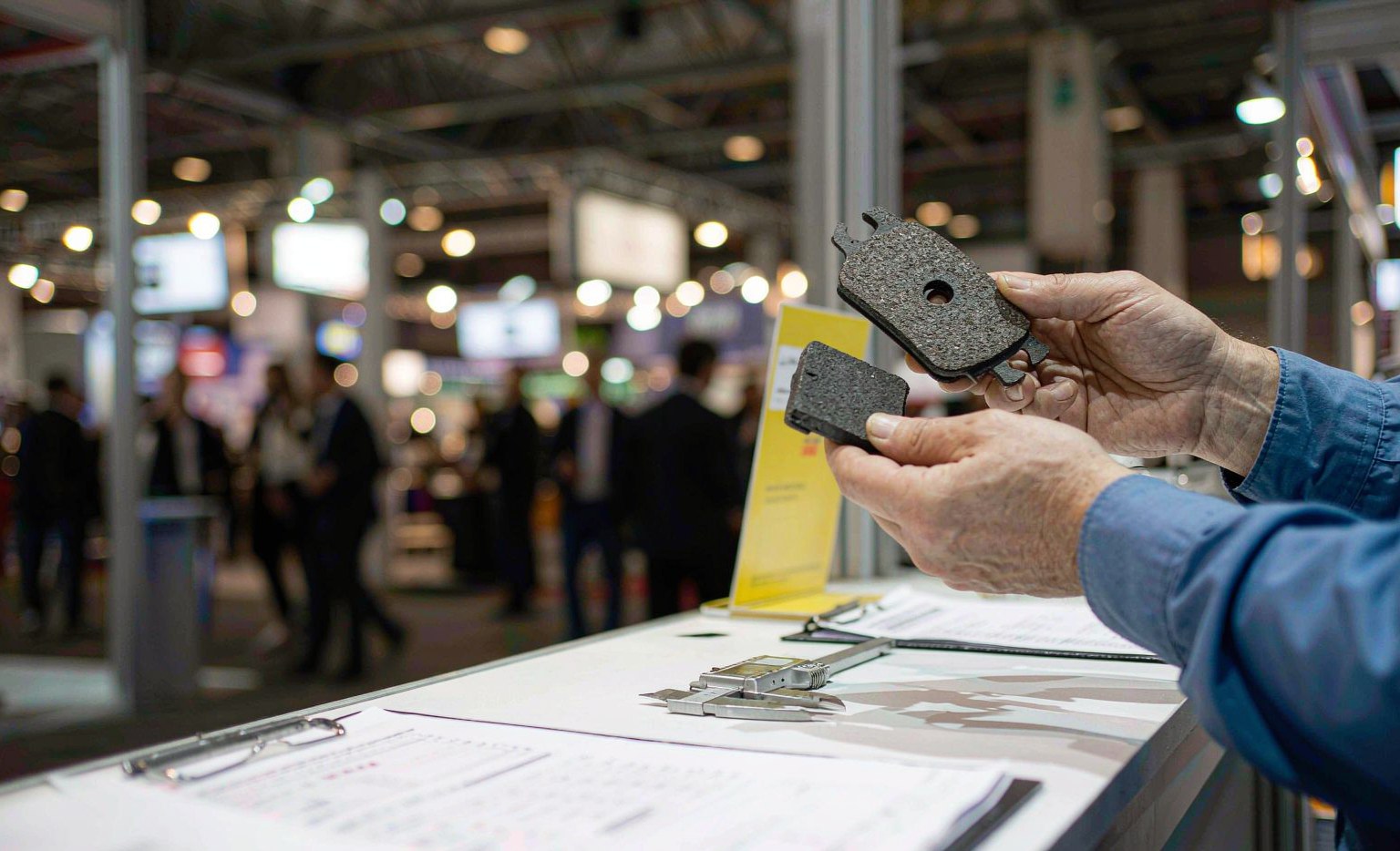
- Side-by-side sample comparison. You can hold two brake pads from two factories, weigh them, check the friction material edge, measure backing plate thickness with a caliper, and see the difference in 30 seconds. Online, the same comparison takes weeks of sample shipping and often still ends in guesswork.
- Real-time price benchmarking. Walking a hall, you can collect five quotations for the same filter in an hour. On a B2B platform, getting five comparable quotes takes days of messaging, and half the replies come from traders, not factories.
- Instant trust signals. Who answers your technical question — a salesperson reading a script, or an engineer who talks about friction coefficients and mould tolerances? Twenty minutes at a booth tells you more about a supplier than three months of email.
- Negotiation momentum. Face-to-face, suppliers are more willing to move on MOQ, mixed-container loading and payment terms. Industry observers commonly cite price gaps of roughly 15–30% between face-to-face deals and online-only orders from the same factories — the exact number varies, but the direction does not.
This is also why the fair matters for newer markets. A buyer sourcing auto parts from China for the first time has no history with any factory. The fair is the fastest way to build that history at low cost: you leave Guangzhou with a shortlist of five to eight verified suppliers instead of 500 unverified ones.
What Online Sourcing Does Better Than a Trade Fair
Online channels dominate on three dimensions the fair cannot touch:
- Range and searchability. A platform search by OE number, engine code or part name reaches thousands of online auto parts suppliers in seconds. At the fair, you only meet whoever booked a booth. Many strong niche factories — a gasket maker running 40 staff, say — never exhibit.
- Speed and continuity. Reordering a validated SKU is a five-minute job online. The Canton Fair happens twice a year; your customers’ cars break down every day.
- Cost of discovery. Browsing is free. A sourcing trip costs flights, hotels and a week of your time. For price discovery and range, online wins before you even book a ticket.
The official Canton Fair website and app now blur this line: they run all year with the same exhibitor and product database as the physical halls, including supplier search by category, specification and trade model, plus messaging. Smart buyers treat it as their research layer between editions — which is exactly the hybrid pattern that makes sourcing auto parts from China workable the other 360 days.

Canton Fair vs Alibaba and B2B Platforms: Head-to-Head
Buyers usually frame the debate as “Canton Fair vs Alibaba” — or Made-in-China, or any other B2B marketplace. The table below compares the channels on the decisions that actually move money when you buy auto parts wholesale from China.
| Decision factor | Canton Fair (Phase 1) | B2B online platforms |
|---|---|---|
| Supplier identity | Verified in person; factory vs trader visible within minutes | Profiles self-declared; requires document checks and video audits |
| Sample evaluation | Handle samples on the spot, compare competitors side by side | Courier rounds, 1–3 weeks per cycle, often only one supplier’s sample |
| Price benchmarking speed | 5–8 comparable quotes in one day | Days to weeks; quote quality uneven |
| MOQ and terms flexibility | Stronger; face-to-face trust makes suppliers more open to mixed loading and better terms | Fixed listing MOQs; negotiation slower and shallower |
| Range of products | Limited to exhibiting companies | Near-unlimited, searchable by OE number |
| Cost per supplier evaluated | Trip cost spread over 30–50 shortlisted suppliers | Near zero, but higher downstream risk |
| Best used for | Shortlisting, first orders, annual terms | Reordering, niche SKUs, continuous price checks |
Read the last two rows together and the hybrid logic falls out: the fair is an evaluation event, the platform is an execution channel. Problems start when buyers ask one channel to do the other’s job — placing a first container order purely off a listing page, or flying 9,000 kilometers to reorder an SKU they already know.
The Real Cost Math: Trip Budget vs Risk of Buying Blind
The fair’s upfront cost is visible and often scares buyers off. The online-only risk cost is invisible and much larger when it hits. A realistic comparison:
| Cost item | 7-day Guangzhou sourcing trip | Online-only order without inspection |
|---|---|---|
| Flights (round trip) | USD 500–1,200 (Middle East/Africa routes) | USD 0 |
| Hotel, 7 nights near Pazhou | USD 350–900 (fair week pricing) | USD 0 |
| Buyer badge | Free (pre-register online) | — |
| Local transport + meals | USD 150–300 | — |
| Time cost | ~1 week | Weeks of messaging, sampling, disputes |
| Downside risk | Low — you saw the goods before wiring | Wrong spec, wrong packaging, non-shipment: one mis-shipped 20ft container of mismatched pads can erase a year of margin |
A first trip typically lands between USD 1,200 and 2,500 all-in. Spread across the 30–50 suppliers you can realistically evaluate, that is roughly USD 30–80 per verified supplier — less than the cost of a single wrong sample cycle repeated across three suppliers. The math flips decisively once your auto parts sourcing from China passes a few containers a year.
How Real Buyers Combine Both: The 12-Month Hybrid Calendar
The strongest buyers we work with run a rhythm that looks like this:
| Period | Activity | Channel |
|---|---|---|
| 4–6 weeks before Phase 1 | Build a 30–50 company target list; send OE lists for quotations | Official fair site/app, WhatsApp, email |
| Fair week (15–19 Oct) | Meet shortlist, compare samples, negotiate MOQ and FOB, collect golden samples | Pazhou halls, in person |
| 48 hours after each hall day | Send recap messages, confirm quotations in writing, rank suppliers | WhatsApp + email |
| Weeks after the fair | Sample validation, first trial order, factory visit during changeover break (20–22 Oct) | Online + factory floor |
| Rest of the year | Reorders, new SKU scouting, quarterly price re-checks | Online channels |
Notice how the fair is not a sourcing event squeezed into a calendar — it is the annual anchor point that recalibrates every online decision for the next six months. Prices quoted online in November make sense only if you know what the same part cost at the booth in October.
Before Phase 1: Online Research That Makes the Fair Efficient
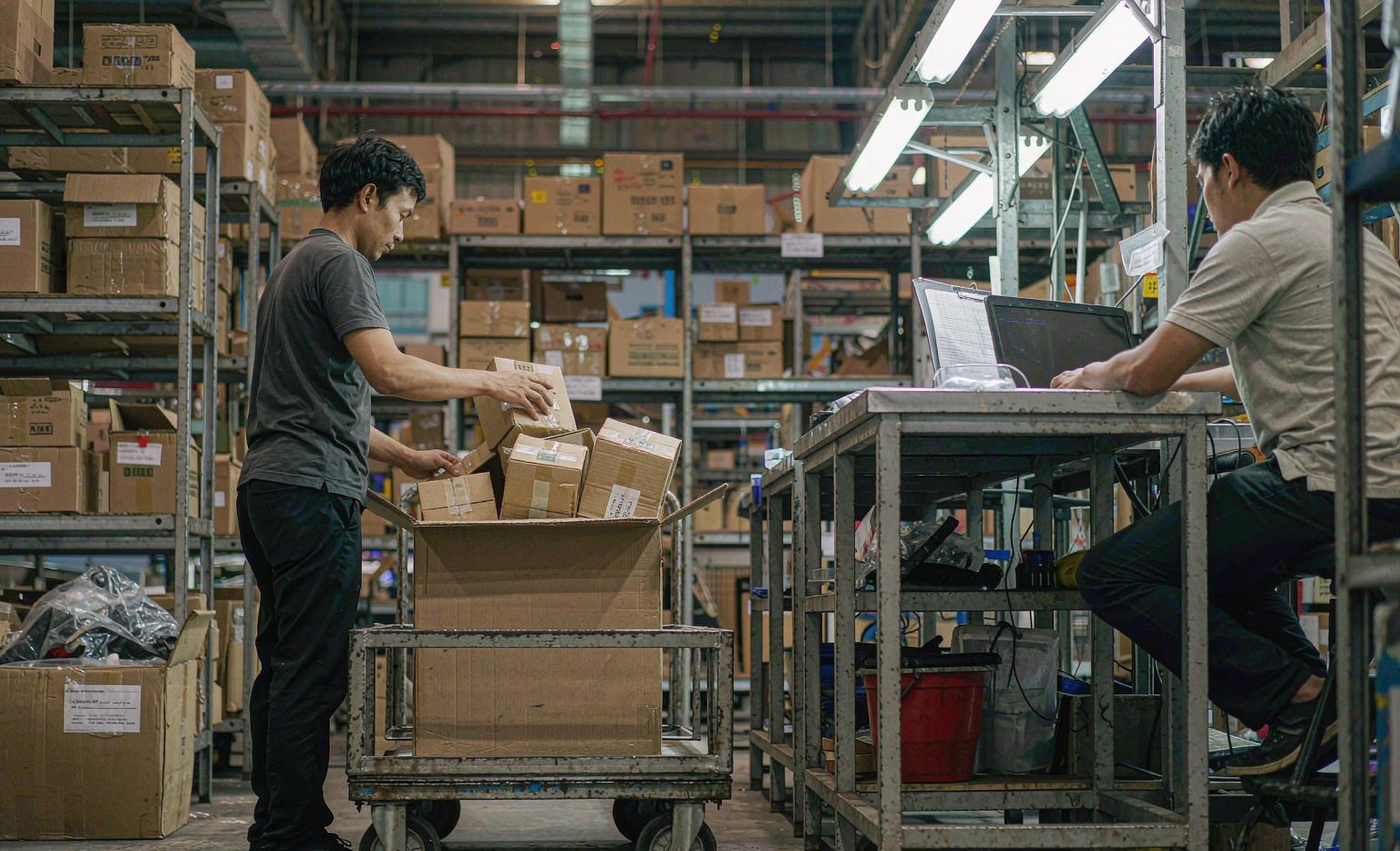
The fair rewards preparation with brutal efficiency. Buyers who arrive with a target list see 30–50 relevant suppliers in three days; buyers who arrive cold see 300 booths and remember none of them. Your pre-fair online workflow:
- Search the official exhibitor database. Filter by product category and specification, and shortlist companies by export market fit — a factory already shipping to your region knows your compliance paperwork.
- Send your OE number list in advance. Serious suppliers reply with quotations and confirm they will bring samples to the booth. Silent suppliers just saved you a stop.
- Pre-check certifications. Ask for IATF 16949 certificate numbers and issuing bodies before you fly; verify them during the meeting, not after the order.
- Set a daily walking route. Pazhou is divided into lettered areas; map your shortlist against hall numbers so your three most important meetings happen on day one, before fatigue sets in.
Done properly, this online layer converts a five-day fair into a five-day confirmation exercise. Done badly, the fair becomes an expensive directory. Either way, the research is the same work that powers efficient Canton Fair auto parts sourcing for the rest of the year — your OE references, your certified-supplier list and your walking route all live on after the halls close.
During the Fair: What to Lock In Face to Face
Use booth time for the four things that are hard to do remotely:
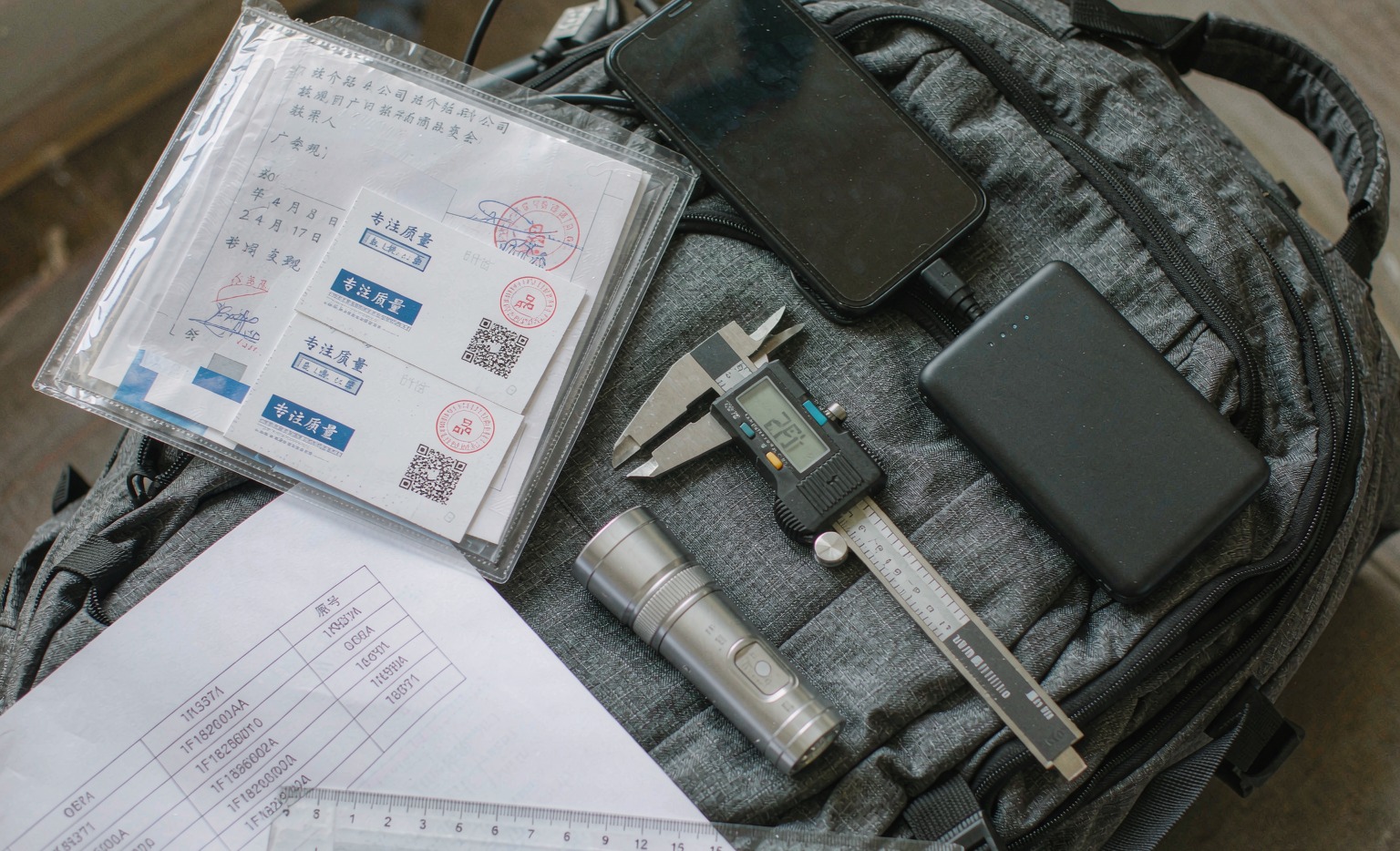
- Fitment verification. Bring your caliper and your OE reference sheet. Measure the sample, photograph the packaging, record the part number stamped on the product — not just the one on the catalog page.
- Certificate review. A trustworthy factory shows the certificate and names the issuing body without hesitation. Hesitation is data.
- Terms negotiation. MOQ, mixed-container loading, payment structure and sample fees all move more easily across a table than through a chat window.
- Golden sample handover. Agree that the sample you keep becomes the quality reference for the production order, and photograph both parties holding it.
Record a 30-second voice memo at every booth: company name, booth number, what you discussed, what they promised. By day three the halls blur together, and this memo chain becomes your follow-up database.
After the Fair: Moving Booth Contacts into Year-Round Workflows
The fair ends on 19 October; the sourcing does not. The 48-hour window right after each hall day is where most deals are won or quietly lost, because every serious buyer is sending follow-ups and suppliers triage the buyers who confirm fastest. Your sequence:
- Recap in writing within 48 hours. Restate part numbers, quantities, FOB prices and agreed terms. A supplier’s written confirmation is your first quality filter.
- Run sample validation. Test against the golden sample, not against memory.
- Place a structured trial order — small enough to limit risk, large enough to be taken seriously.
- Book a factory visit during the changeover break (20–22 October) if the supplier is in Guangdong. Two hours on their production floor settles questions no certificate can.
- Move reorders online. Once an SKU is validated, all repeat purchasing should run through your fastest channel, with quarterly price re-checks benchmarked against the fair quote.
This is also the moment where online auto parts suppliers you never met at the fair earn their place: they fill range gaps, cover niche SKUs and keep pricing pressure on your fair contacts. For a garage owner running Canton Fair auto parts sourcing once a year, this online layer is what keeps the shelves stocked between editions.
Where a Guangzhou-Based Partner Fits into the Hybrid Model
One more channel sits between the fair and your laptop: a local exporter who is in Guangzhou year-round. When you buy auto parts wholesale from China through a partner based here, you get fair-season presence without fair-season logistics — someone who can walk Phase 1 with your list, consolidate samples from ten booths into one shipment, supervise pre-shipment inspection, and keep the year-round online reorders moving while you are 9,000 kilometers away. Hybrid sourcing auto parts from China works best when one local team bridges both halves.
Globalucar (Guangzhou Vehicle External Trade) works exactly this way for buyers across the Middle East, Africa and Central Asia. Our Baiyun office is a short drive from the Pazhou complex, so during the 140th session we can meet you between halls, join supplier meetings with your OE list, or attend on your behalf and send side-by-side sample photos the same day. After the fair, the same team handles consolidation, inspection and FOB Guangzhou loading.
Planning Phase 1 (15–19 October 2026)? Send your OE number list and target part categories before you fly — we will pre-screen suppliers and prepare a walking plan for your three days in the halls. Contact Mr Didi: ucars@global-ucars.com | WhatsApp +86 133 0240 8528 | or reach us via our contact page. Browsing before the trip? Start with the parts finder or check an OE number in our OE parts library.
Frequently Asked Questions
Is the Canton Fair worth it for small auto parts buyers?
It depends on annual volume and how many new SKUs you need. If you buy one or two containers a year and mostly reorder known parts, online channels plus a local inspection partner usually cover you. If you are building a supplier base, adding product lines, or your orders have grown past USD 50,000 a year, one trip typically pays for itself through better terms and fewer spec mistakes.
Can I source auto parts from China online without ever attending a trade fair?
Yes, thousands of buyers do. The non-negotiables are: verify the supplier’s business license and IATF 16949 certificate, order pre-shipment inspection on every first order, and start with a trial order before any full container. The fair simply compresses this verification into days instead of months.
Canton Fair vs Alibaba — which is better for auto parts?
They do different jobs. Alibaba and similar platforms win on range, speed and reorder convenience; the fair wins on supplier verification, sample comparison and negotiating power. Use the fair to shortlist and set annual terms, use platforms to execute the rest of the year.
How much does it cost to attend Canton Fair Phase 1?
The buyer badge itself is free when pre-registered through the official system. The main costs are travel: from most Middle East and African markets, a 5–7 day trip runs roughly USD 1,200–2,500 including flights, fair-week hotels near Pazhou, local transport and meals.
How do I verify suppliers I meet at the fair once I get home?
Three checks: confirm the company name on the business card matches the export license, ask for the IATF 16949 or ISO certificate number and verify it with the issuing body, and insist on a written quotation with the exact OE references before any deposit. For larger orders, add a third-party or partner-led factory audit.
When should I start contacting suppliers before the fair?
Four to six weeks out is ideal. That leaves time to send your OE list, collect advance quotations, and book meetings so your first hall day targets confirmed appointments instead of browsing. Messages sent two days before opening usually disappear into the pre-fair rush.
Related Articles
Related Products
From our export catalog — parts and vehicles ready for international delivery

Full-Size EREV SUV
2026 Rox Adamas EREV 215km 6-Seat Executive Edition
USD 53,000 FOB Guangzhou
View Details
Full-Size EREV SUV
2026 Rox Adamas EREV 215km 7-Seat All-Terrain Edition
USD 51,500 FOB Guangzhou
View Details
