Why Hyundai Tucson Parts Are in High Global Demand
The Hyundai Tucson is one of the best-selling compact SUVs in the world, with cumulative global sales exceeding 8 million units across four generations. In the Middle East alone — Saudi Arabia, UAE, Kuwait, and Oman — the Tucson ranks consistently among the top three imported passenger vehicles. As of 2026, an estimated 1.2 million Tucson units are on the road across GCC countries, with the majority of TL (2015–2020) and NX4 (2021–present) generations now entering or already within the high-frequency maintenance window. Source: Hyundai Motor Company Global Sales Report 2025; GCC automotive registration data.
This creates a structural and growing demand for Tucson spare parts at the wholesale level. Workshop chains in Riyadh, Dubai, Nairobi, and Lagos stock Tucson parts as a core SKU. Distributors from Egypt to Ghana to the Philippines are actively sourcing replacement parts — brake pads, air filters, suspension arms, water pumps, and cabin filters — at scale.
For B2B buyers, the sourcing challenge is not finding Tucson parts — it is finding the right quality at the right wholesale price. Chinese auto parts manufacturers have become the dominant global supplier for Hyundai/Kia aftermarket parts, producing components to OEM specifications at FOB prices 40–65% below Korean OEM pricing. This guide gives you the complete picture: prices, quality grades, part numbers, and logistics.
Hyundai Tucson Generations: Matching the Right Parts
Before placing any wholesale parts order, buyers must confirm which Tucson generation they are supplying. Parts compatibility is generation-specific, and incorrect fitment is the single most common cause of returns and disputes in the aftermarket trade.
| Generation | Code | Years | Engine Options | Market Notes |
|---|---|---|---|---|
| 1st Gen | JM | 2004–2009 | 2.0L, 2.7L petrol; 2.0L diesel | Still in service in Africa, Southeast Asia; ageing but active market |
| 2nd Gen | LM / iX35 | 2009–2015 | 1.6T, 2.0L petrol; 1.7, 2.0L diesel | Large installed base in North Africa, Middle East, Russia; high parts volume |
| 3rd Gen | TL | 2015–2020 | 1.6T, 2.0L petrol; 1.6, 2.0L diesel | Highest current demand in KSA/UAE/GCC; peak maintenance window 2024–2027 |
| 4th Gen | NX4 | 2021–present | 1.6T hybrid, 1.6T petrol; PHEV | Still under warranty in many markets; wear parts (filters, brake pads) in demand |
For wholesale purposes, the TL generation (2015–2020) is currently the highest-demand segment. These vehicles are now 6–11 years old — perfectly within the 60,000–150,000 km mileage band where brake pads, suspension bushings, water pumps, and engine mounts require first or second replacement.
Hyundai Tucson Spare Parts Price List 2026
The following prices are wholesale FOB Guangzhou (Nansha Port) for quality aftermarket parts meeting OEM specifications. Prices assume MOQ of 50+ sets per SKU for brake pads/filters; 10+ units per SKU for larger components. All prices are USD.
| Part Category | Specific Part | OEM Reference | Fits Generation | FOB Price (per set/unit) | MOQ |
|---|---|---|---|---|---|
| Brake System | Front Brake Pad Set | 58101-D3A30 / 58101-D3A60 | TL, NX4 | USD 4.20 – 7.80 | 50 sets |
| Brake System | Rear Brake Pad Set | 58302-D3A10 | TL, NX4 | USD 3.90 – 6.50 | 50 sets |
| Brake System | Front Brake Disc (rotor) | 51712-D3000 | TL | USD 8.50 – 14.00 | 20 pairs |
| Filters | Engine Oil Filter | 26300-35504 / 26300-35505 | TL, NX4, LM | USD 1.10 – 1.80 | 100 pcs |
| Filters | Air Filter | 28113-D3300 | TL 1.6T, 2.0L | USD 2.20 – 3.80 | 50 pcs |
| Filters | Cabin Air Filter | 97133-D3000 | TL, NX4 | USD 2.80 – 4.50 | 50 pcs |
| Filters | Fuel Filter | 31911-2E100 | TL diesel | USD 3.50 – 5.80 | 30 pcs |
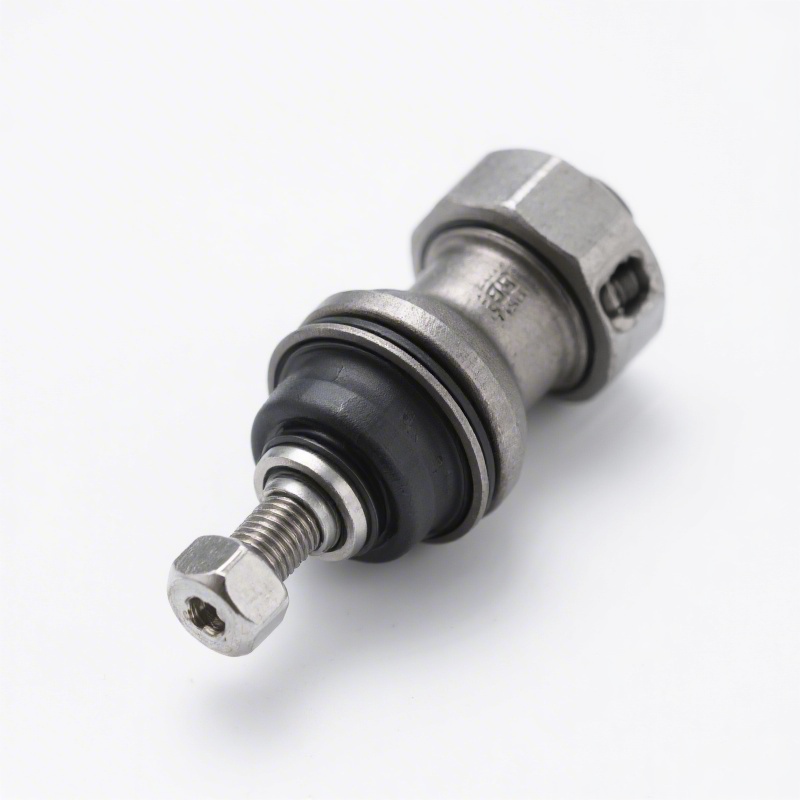
| Suspension | Front Control Arm (L/R) | 54500-D3100 / 54550-D3100 | TL | USD 18.00 – 28.00 | 10 pcs |
| Suspension | Front Stabilizer Bar Link | 54830-D3010 | TL, NX4 | USD 4.50 – 7.00 | 20 pcs |
| Suspension | Shock Absorber (front, each) | 54650-D3510 / 54660-D3510 | TL | USD 22.00 – 38.00 | 4 pcs |
| Cooling System | Water Pump | 25100-2E000 / 25100-2B600 | TL 2.0L, LM | USD 12.00 – 19.00 | 10 pcs |
| Cooling System | Radiator (complete) | 25310-D3900 | TL 1.6T | USD 38.00 – 58.00 | 5 pcs |
| Cooling System | Thermostat | 25500-2E100 | TL, LM petrol | USD 4.50 – 7.50 | 20 pcs |
| Engine | Spark Plug Set (4 pcs) | 18846-09070 (compatible) | TL 1.6T, 2.0L | USD 5.50 – 9.00 | 50 sets |
| Engine | Timing Belt Kit | 24312-2E000 + tensioner | LM 2.0L diesel | USD 28.00 – 45.00 | 5 kits |
| Electrical | Alternator | 37300-2E010 | TL, LM | USD 48.00 – 72.00 | 3 pcs |
| Electrical | Starter Motor | 36100-2E010 | TL, LM | USD 42.00 – 65.00 | 3 pcs |
| Body / Exterior | Front Bumper (bare) | 86511-D3000 | TL | USD 22.00 – 36.00 | 5 pcs |
Prices are indicative wholesale FOB Nansha Port, Guangzhou, as of Q2 2026. Final pricing depends on order quantity, specification grade, and current material costs. Contact Kingmay Auto Parts for a formal quotation.
OEM vs Quality Aftermarket: What the Price Difference Really Means
The terms "OEM" and "aftermarket" are widely misused in the auto parts trade, creating confusion for buyers and opportunities for unscrupulous suppliers. Here is a precise breakdown of what each grade actually means for Hyundai Tucson parts:

| Grade | What It Is | Price Index | Certification | Best For |
|---|---|---|---|---|
| Genuine OEM (Hyundai Mobis) | Made by Mobis (Hyundai's official parts subsidiary) or its Tier 1 suppliers; sold under Hyundai branding. Manufactured in Korea or China under Hyundai quality control. | 100% (benchmark) | OEM certification; covered by Hyundai warranty | Warranty repairs; premium workshop segment; dealer servicing |
| OEM-Grade Aftermarket | Manufactured by the same Tier 1/2 supplier factories that produce for Mobis, but sold without Hyundai branding. Identical raw materials and production specifications. Example: Sangsin brake pads (makes OEM for Mobis AND sells aftermarket). | 35–55% | IATF 16949; ECE R90 (brake pads); ISO 9001 | Independent workshops; wholesale distributors; fleet servicing; the sweet spot for most B2B buyers |
| Quality Aftermarket | Made by verified Chinese manufacturers to Hyundai OE specifications; tested for dimensional accuracy and performance. Brands: TRW (ZF), Brembo, Textar (for premium buyers); Chinese verified brands for cost-sensitive markets. | 25–40% | IATF 16949; ECE R90 (where applicable) | Price-sensitive markets (Africa, SE Asia, South America); high-volume wholesale distributors |
| Budget / Unbranded | Low-cost commodity production; inconsistent raw material quality; no certifications. High risk of early failure, return claims, and safety liability. | 10–20% | None (or unverifiable) | Not recommended for B2B export. End-user safety risk. |
The Kingmay recommendation: For most export markets — Saudi Arabia, UAE, Nigeria, Kenya, Philippines — the OEM-Grade Aftermarket tier offers the best balance of quality assurance and wholesale margin. We work exclusively with IATF 16949-certified Chinese factories and can provide factory audit reports, third-party inspection certificates, and sample shipments before full-order commitment.
Top 5 Highest-Demand Tucson Parts and Why They Fail
Understanding why specific parts fail — and at what mileage — helps you stock the right inventory depth for your market:
1. Front Brake Pads (replacement interval: 40,000–60,000 km)
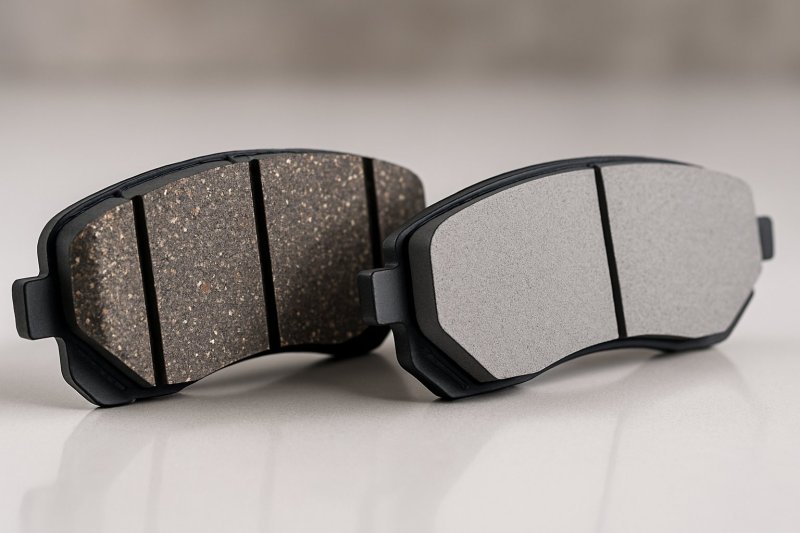
The TL Tucson's front brakes carry approximately 70–75% of the total braking load. In hot climates (Saudi Arabia, UAE), thermal stress accelerates brake pad compound degradation. The stock OEM organic compound pads wear faster in desert driving cycles (frequent highway-speed stops at high ambient temperatures). Most Middle Eastern workshop operators recommend switching to low-metallic or ceramic compound pads — exactly what quality Chinese aftermarket suppliers offer at 40–55% of Mobis pricing.
2. Air and Cabin Filters (replacement interval: 15,000–20,000 km, or more frequently in dusty markets)
In Saudi Arabia, Kuwait, and the UAE, airborne dust and sand particle concentration can be 3–5× higher than European testing standards. The standard OEM air filter replacement interval of 20,000 km shortens to 12,000–15,000 km in GCC conditions. Workshop chains in Riyadh and Dubai stock 6-month forward inventory of Tucson air filters. Chinese-made filters using Donaldson-grade filter media meet or exceed OEM filtration efficiency at USD 2.20–3.80 FOB versus USD 8–12 for Mobis branded units.
3. Control Arms and Suspension Bushings (replacement interval: 80,000–120,000 km)
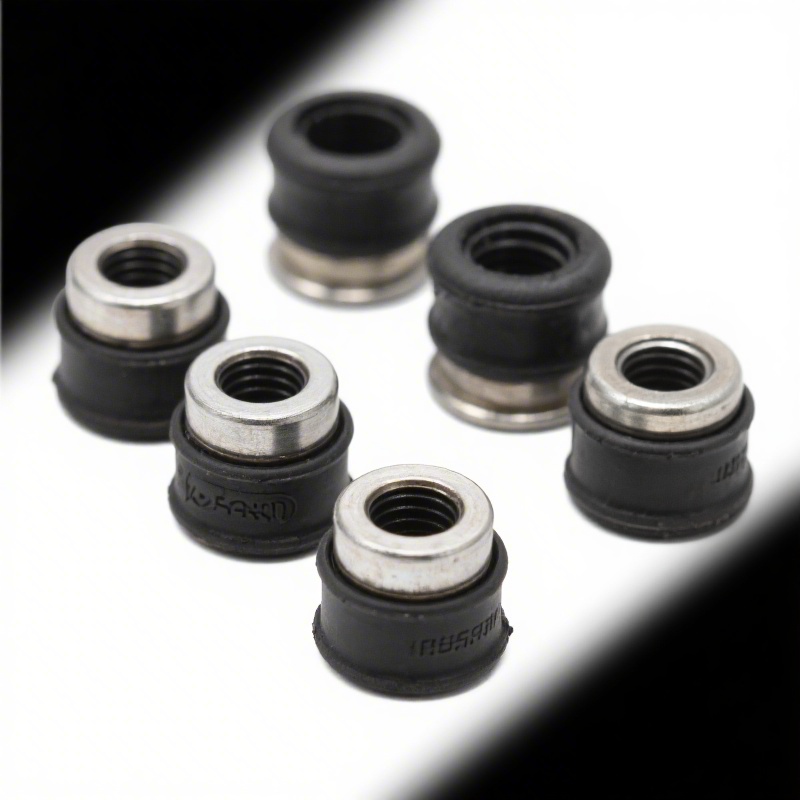
The TL Tucson's front double-wishbone suspension uses rubber-bonded control arm bushings that harden and crack under UV exposure and heat cycling common in Middle Eastern and African climates. Failed bushings present as clunking under braking or steering, making this one of the most common workshop complaints for 6-year-old+ Tucson units. Control arm assembly (arm + bushing + ball joint, complete unit) is typically the recommended replacement over bushing-only swaps for labour efficiency.
4. Water Pump (replacement interval: 100,000–130,000 km or at timing belt service)
The 2.0L Tucson uses a belt-driven water pump — meaning water pump failure or pre-emptive replacement is typically bundled with the timing belt service at 100,000 km. Pump seal and impeller wear is the primary failure mode. For fleets operating in high-ambient-temperature environments, the impeller material (plastic vs aluminium) is a key quality differentiator — Chinese premium-grade aluminium impeller water pumps cost USD 12–19 FOB vs USD 45–70 for Mobis units.
5. Cabin Air Filter (replacement interval: 15,000 km / 12 months)
Often overlooked but one of the highest-volume consumable parts in the Tucson lineup. In Middle Eastern markets, cabin filters double as AC protection — clogged cabin filters reduce AC airflow and efficiency, dramatically increasing compressor load and AC system wear. The combination of a 12-month replacement cycle and Middle Eastern climate conditions makes this a year-round high-volume SKU. Chinese cabin filters using activated carbon composite media offer premium filtration at 30–40% of Mobis list price.
How to Source Hyundai Tucson Parts Wholesale from China
The following process is the recommended workflow for buyers sourcing Tucson parts wholesale from China for the first time — or for buyers looking to improve their current supply chain reliability:
Step 1: Define your SKU list by generation — Identify the predominant Tucson generation in your target market and build a 20–30 SKU initial list covering brake pads, filters (oil/air/cabin), top suspension wear items, and cooling. Avoid mixing generations in your first order to simplify logistics and claims management.
Step 2: Request OE cross-reference numbers — Ask your supplier to provide the OE number (Hyundai Mobis part number), the OEM equivalent OE number from the Chinese factory, and any aftermarket brand cross-references (TRW, Brembo, etc.). This triple cross-reference allows you to verify fitment against your local market's parts catalogue databases (Autodata, TecDoc, etc.).
Step 3: Request factory certification documentation — Require a copy of the factory's current IATF 16949 certificate. For brake components, additionally require ECE R90 test reports. These documents are the baseline quality assurance standard. Any legitimate Chinese parts factory serving the export market should provide these without hesitation.
Step 4: Order samples before full commitment — For brake pads, order at minimum 5–10 sample sets for workshop testing before placing a full container order. Inspect packaging (correct branding, bilingual labels, OE number printed on box), physical dimensions (caliper measurement against OE spec), and shim plate / chamfer quality.
Step 5: Plan your logistics — Decide between sea freight (20-day transit to Jeddah, 18 days to Dubai, 22 days to Mombasa) and air freight (3–4 days, 5–8× sea freight cost per kg). For high-volume staple SKUs (filters, brake pads), sea LCL or FCL is the standard. For fast-moving urgent restocks, air freight of a 50–100 kg suitcase-load makes financial sense when you factor in the stockout cost.
Shipping Tucson Parts to Saudi Arabia, UAE, and Africa
Kingmay Auto Parts ships Hyundai Tucson spare parts to the following destinations from Nansha Port, Guangzhou:
| Destination | Port | Sea Freight Transit | Air Freight Transit | Import Duty Notes |
|---|---|---|---|---|
| Saudi Arabia | Jeddah Islamic Port / Dammam | 18–22 days | 3–4 days via Riyadh Airport | GCC customs union: 5% duty on auto parts; SABER product registration required for many categories |
| UAE | Jebel Ali (Dubai) | 14–18 days | 2–3 days | GCC: 5% duty; free zone storage available in JAFZA and DAFZA for re-export |
| Nigeria | Apapa (Lagos) | 25–32 days | 3–5 days | 20–35% import duty on auto parts; form M required for commercial imports above $50 USD |
| Kenya | Mombasa | 22–28 days | 3–4 days | 25% import duty + 16% VAT; certificate of conformity (KEBS) required for many part categories |
| Philippines | Manila (Port of Manila / Batangas) | 8–12 days | 2–3 days | 5–10% import duty; BOC customs clearance 3–5 days |
Source: GCC Customs Authority, KRA Kenya Revenue Authority, Nigeria Customs Service. Duty rates subject to change; always verify with a licensed local customs broker.
For mixed orders combining Hyundai Tucson spare parts with other vehicle parts (or combining parts with Globalucar vehicle exports), container consolidation from Nansha Port reduces per-unit freight costs by 20–35% compared to separate LCL shipments.
Frequently Asked Questions
What is the FOB price range for Hyundai Tucson brake pads from China?
OEM-grade aftermarket front brake pad sets for the Hyundai Tucson TL (2015–2020) range from USD 4.20 to 7.80 per set FOB Guangzhou, depending on compound type (organic, low-metallic, ceramic) and brand packaging. Compare this to Hyundai Mobis OEM pricing of USD 25–45 per set — a 70–85% price advantage at equivalent certified quality.
Are OE numbers compatible across TL and NX4 Tucson generations?
Many wear parts are NOT cross-compatible between TL (2015–2020) and NX4 (2021–present) generations. The NX4 uses different brake caliper specifications, updated suspension geometry, and a modified engine bay layout. Always confirm the OE reference number against your target vehicle's year and engine code before placing an order.
Do Chinese-made Hyundai Tucson parts come with ECE R90 certification?
Quality aftermarket brake pads and discs from certified Chinese factories are produced to ECE R90 performance standards and can come with ECE R90 test certificates. Verify that the certificate references the specific part number you are ordering — not a generic factory certificate. Kingmay provides ECE R90 test reports with all brake system orders upon request.
What is the minimum order quantity (MOQ) for Hyundai Tucson parts wholesale?
Our standard MOQ for Tucson parts is: 50 sets per SKU for brake pads and filters; 10–20 units for larger components (control arms, shock absorbers, water pumps); 3–5 units for expensive components (alternators, starters, radiators). For first-time buyers, a sample order of 5–10 sets per SKU is available at standard pricing with DHL/FedEx express delivery.
Can I get a mixed order combining multiple Hyundai/Kia models?
Yes. Kingmay regularly fulfills mixed orders combining Tucson, Elantra, Sonata, Kia Sportage, and Seltos parts in a single shipment. Mixed FCL orders (one 20-foot container carrying multiple SKUs across multiple models) are a common and cost-effective approach for distributors maintaining broad model coverage.
What documents are required for importing auto parts to Saudi Arabia from China?
Key documents for Saudi Arabia (KSA) importation include: Commercial Invoice (HS code, value, country of origin), Packing List, Certificate of Origin (Form E preferred for China-GCC tariff), Bill of Lading, and SABER conformity certificate for regulated product categories. For auto parts shipped to KSA, it is recommended to pre-register products on the SABER platform before the first shipment to avoid customs holds.
Start Sourcing Hyundai Tucson Parts at Wholesale Prices
Kingmay Auto Parts maintains a live catalogue of Hyundai Tucson spare parts — TL and NX4 generations — with cross-reference verification, sample availability, and IATF 16949-certified supplier documentation. Whether you need 50 sets of brake pads for a workshop group or a full container of mixed Tucson parts for a regional distributor, we can quote within 24 hours.
WhatsApp Miss UU for a Tucson parts price list with your target SKUs and destination →
Send your Tucson parts enquiry and receive a formal quotation within 24 hours →
Explore Kingmay Auto Parts — OEM-grade Hyundai/Kia parts from verified Chinese suppliers →
Verify Part Numbers in Our OE Library
Every part covered in this guide has a matching OE number in our reference library — grouped by system with cross-references, so you can source the exact fit for Hyundai, Kia, GM Korea and more.
Related Articles


Related Products
From our Auto Parts catalog — 4 export-ready products