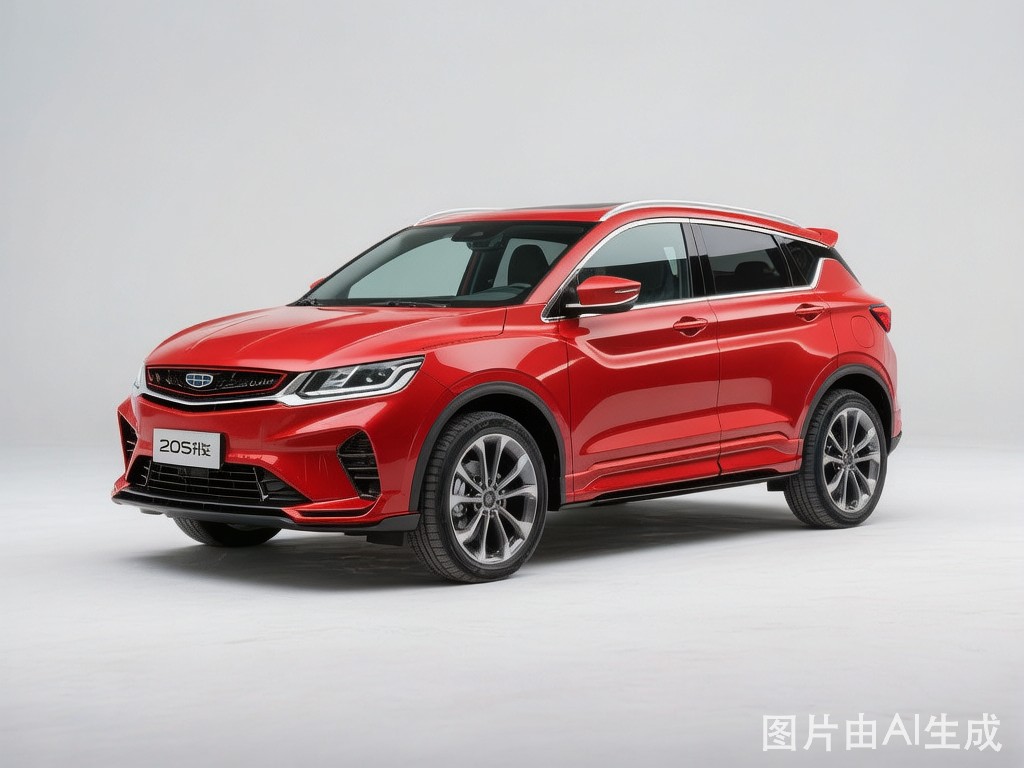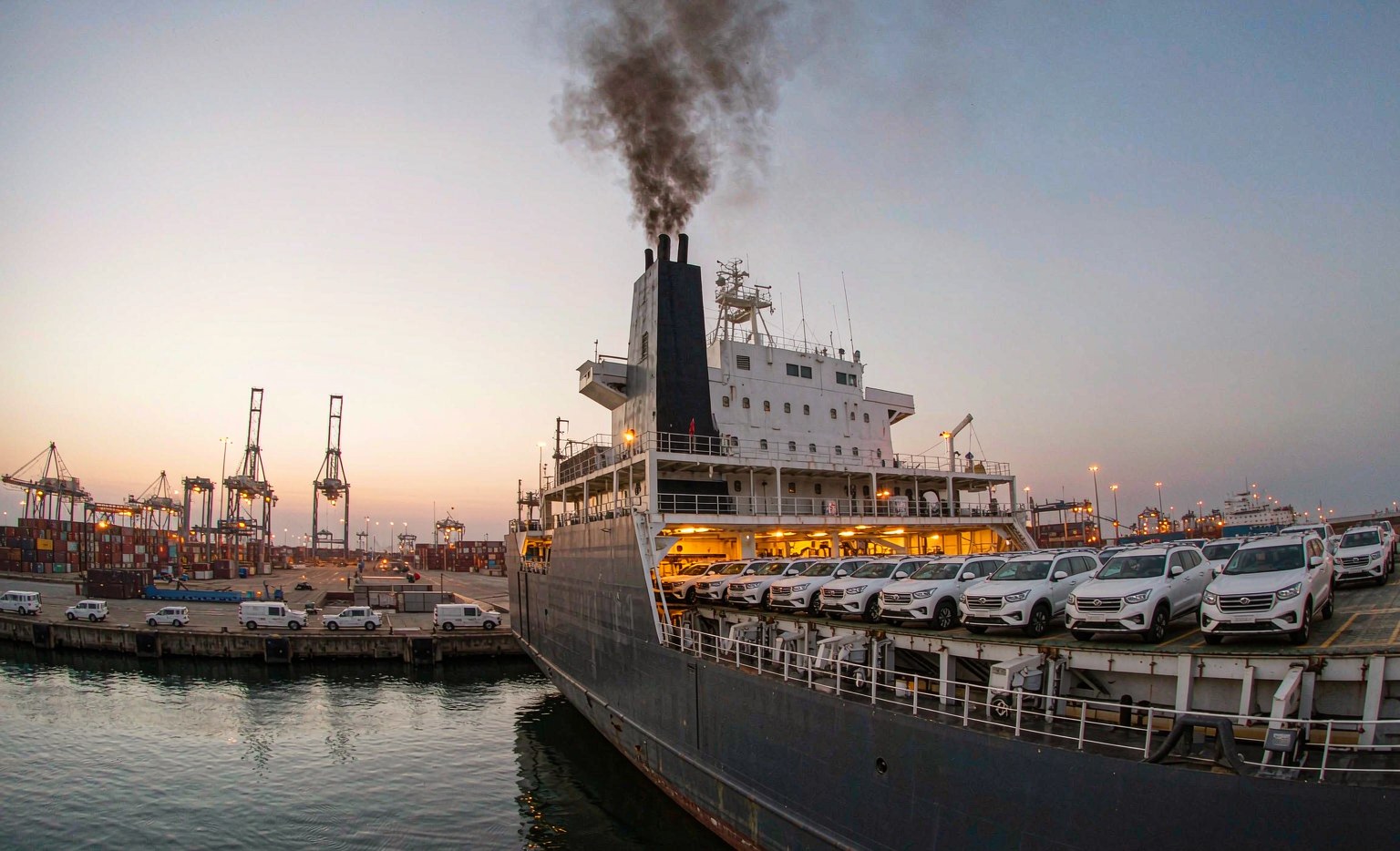
South Africa is the one large African market where price is the last question, not the first. A left-hand-drive car cannot be registered there at all, a used car usually cannot be imported at all, and a new car that clears both gates still carries a tax load of roughly 55–90% of its FOB value. This guide works through the three gates in order, models a landed cost band by band, and explains why auto parts reach South African buyers far more easily than complete vehicles do.
Why South Africa Is Not a Normal African Import Market
Most African markets that Chinese exporters serve are open by default: no local assembly to protect, no right-hand-drive requirement, and duty structures a broker can work with. South Africa is the opposite. It has a full domestic vehicle industry — Toyota, Volkswagen, Ford, Nissan, Isuzu, Mercedes-Benz and BMW all assemble there under the Automotive Production and Development Programme — and the tariff schedule is written to keep imports at a deliberate price disadvantage.
The headline numbers from the industry association NAAMSA are 25% import duty on light vehicles and 20% on original equipment components, with a preferential 18% for European-origin vehicles under the SADC–EU arrangement. Layered on top are an ad valorem excise duty that rises with price, VAT at 15%, a CO2 emissions levy on new vehicles, and R2,000–R10,000 of clearing and inspection cost per unit.
A Chinese brand can compete here, and several do profitably, but only after committing to factory right-hand-drive production and a local homologation file. Sending a left-hand-drive unit to Durban because the price looked good on paper is the most common expensive mistake in this trade.
Gate One: Right-Hand Drive, Before Any Conversation About Price
South Africa drives on the left. Registration requires a right-hand-drive vehicle, and the National Regulator for Compulsory Specifications (NRCS) will not issue a Letter of Authority for a converted unit. The only surviving exception is narrow: vehicles already registered in South Africa before the current rules took effect, in practice cars first registered around 2000 or earlier.
This is not a problem a workshop can solve. Conversion changes the firewall, the steering rack, the pedal box, the wiring loom and the crash structure, and no registration authority will accept the result on a vehicle imported after the cut-off. A left-hand-drive unit that lands in Durban is, functionally, a parts donor.
So the first question about any model is not the FOB price but whether the factory builds it in right-hand drive for export and whether that build is approved for South African registration. The Chinese brands selling in volume — Chery with Omoda and Jaecoo, GWM's Haval range, BYD, LDV and Maxus, JAC, BAIC — did that work at factory level before shipping a single unit. Most of the SUV and EV ranges that move well in the Gulf and West Africa are left-hand drive only.
Ask any sourcing channel for the right-hand-drive confirmation in writing, with the model code. Verbal assurance is worth nothing here, because the cost of being wrong is a container of unsellable metal on a Durban quay.
Gate Two: The Duty Stack, Layer by Layer
South African customs value is FOB, not CIF, so ocean freight is excluded from the duty base. That is the one piece of good news in the calculation. Everything else compounds.
| Layer | Charged on | Rate | What it means in practice |
|---|---|---|---|
| Customs duty | FOB customs value | 25% (18% EU/UK origin, 0% SADC origin) | Charged first, and it becomes part of the VAT base |
| Ad valorem excise | Excise value: retail price excluding VAT, less 20% | (0.00003 × excise value) − 0.75%, capped at 30% | Progressive. Negligible on a budget car, punitive on a luxury one |
| VAT | FOB × 1.10, plus duty, plus ad valorem | 15% | The 10% uplift means VAT is never simply 15% of the invoice |
| CO2 emissions levy | Grams of CO2 per kilometre, new vehicles only | R146/g at the 2024 rate, adjusted annually | Small on a 120 g/km car, material on a large SUV or pickup |
| Compliance and clearing | Per unit | NRCS Letter of Authority R300–R1,800, plus agent fees | Fixed cost, but it doubles on a unit that needs re-inspection |
The ad valorem formula is the part most buyers get wrong, because it is keyed to retail price rather than to what you paid. Work the excise value from the price the car will actually sell for, subtract 20%, apply the formula, cap at 30%. Below roughly R1.0 million of excise value the rate is still climbing; above it the cap holds and the percentage stops rising even as the rand amount keeps growing.
Gate Two, Continued: A Landed-Cost Model You Can Reuse
Here is the arithmetic on four price bands, using a retail equivalent of 1.9 times FOB (a workable assumption for an imported unit with local margin), R38,000 of freight and insurance, R6,000 of clearing and R1,800 for the Letter of Authority. Every figure is in rand and every assumption is stated, so you can substitute your own.
| Line | FOB R180,000 | FOB R220,000 | FOB R350,000 | FOB R800,000 |
|---|---|---|---|---|
| Customs duty at 25% | R45,000 | R55,000 | R87,500 | R200,000 |
| Ad valorem rate applied | 6.45% | 8.02% | 13.13% | 30.00% (capped) |
| Ad valorem excise | R15,480 | R23,418 | R60,732 | R317,217 |
| VAT at 15% on the added tax value | R38,772 | R48,063 | R79,985 | R209,583 |
| Total tax | R99,252 | R126,481 | R228,217 | R726,800 |
| Tax as a share of FOB | 55.1% | 57.5% | 65.2% | 90.8% |
| Landed cost at the port | R325,052 | R392,281 | R624,017 | R1,572,600 |
Read the last two rows together. The tax take is not flat: it climbs from about 55% on a budget unit to about 91% on a high-value one, because ad valorem is progressive and because VAT is charged on the duty and the excise as well as on the car. A model that looks competitive at FOB R180,000 is a different commercial proposition at FOB R800,000, and a plan built on the cheap end of a range will not survive being applied to the expensive end. It is also why luxury Chinese EVs, the segment most exporters are excited about, are the hardest to land profitably here.
Gate Three: Used Vehicles, Where the Permit Is the Entire Game
South Africa restricts used-vehicle imports to protect local assembly, and the restriction is close to absolute. The International Trade Administration Commission (ITAC) issues permits only within defined categories, and there is no general permit for importing a used car to resell. Every permit carries an undertaking not to sell or dispose of the vehicle for two years, which closes the resale route by design.
| Category | Application | Key condition | Resale restriction |
|---|---|---|---|
| Returning South African resident | Form IE462 | Six months or more abroad, vehicle registered in the applicant's name for that period | Two-year undertaking, and the car may not ship before the owner returns |
| Immigrant with permanent residence | Form IE462 | Permanent residence certificate plus foreign registration document | Two-year undertaking |
| Inherited vehicle | Form IE462 | Deceased estate documentation | Two-year undertaking |
| Vintage or collector vehicle | Form IE462 | Generally 40 years or older, or a recognised collector's item | Two-year undertaking |
| Disability-adapted vehicle | Form IE463 | Specially designed or adapted for a disabled South African national | Two-year undertaking |
| Racing or track vehicle | Form IE462 | Not for use on public roads | Two-year undertaking |
For qualifying returning residents and immigrants there is a duty rebate on one vehicle per family on a permanent change of residence, claimed on form DA304A at the border. The conditions are that the vehicle was owned and used for at least twelve months before departure and is not sold within twenty months of entry. That rebate is the difference between a sensible move and a bad one.
Anything outside these categories should be treated as unimportable, whatever a broker says. Permits are tied to a named applicant and a named vehicle, ITAC and SARS validate against each other, and an unpermitted unit is not registrable, not insurable and liable to seizure. If you are buying used stock from China for African markets, the West and East African corridors are where it belongs; South Africa is not.
The NRCS Letter of Authority, and How It Fails
Every imported vehicle needs a Letter of Authority from the NRCS before it can be registered or licensed, whether new, used, inherited, donated or brought in by a returning resident. The application is made on form LA01 with a fee of about R300 to R1,800 depending on vehicle type and age, submitted by email and routed by the first letter of the applicant's surname or company name.
NRCS processing is often quoted at around five working days, but the honest end-to-end number is four to eight weeks once test reports and model-level compliance evidence are counted. Manufacturers hold that file already; a first-time importer of a model never registered in South Africa does not.

The failure modes are predictable. A model with no South African compliance history needs evidence the importer cannot produce quickly. A VIN or engine number that does not match the invoice stops the file. A left-hand-drive unit fails on the face of it, and a vehicle modified after manufacture can fail because the modification sits outside the original approval. Apply before booking freight, not after the vessel sails; storage at the terminal runs at hundreds of rand a day.
Electric and Hybrid: No Import Discount, Despite the Headlines
South Africa taxes electric vehicles at the same 25% duty as petrol and diesel cars. The much-quoted incentive introduced from 1 March 2026 — a 150% capital-investment allowance under Section 12X of the Income Tax Act — is a production-side deduction for manufacturers building vehicles inside South Africa. It is not an import rebate, and it does nothing for a container arriving from Guangzhou.
Worse for the EV case, ad valorem is keyed to price and electric drivetrains push price up. A high-value electric SUV can carry the 30% cap plus 25% duty plus 15% VAT, which is how the tax take reaches the 90% band above. Hybrids sit in the same 25% customs line as other passenger cars. The structure has been criticised domestically for exactly this reason, and a submission to the 2026 Budget argued for alignment between the electric and combustion rates; it was not actioned in February.
One related change worth knowing: from 1 June 2026, foreign-registered vehicles entering South Africa temporarily must be declared and carry a Temporary Import Permit. It targets travellers rather than commercial importers, but it signals that border enforcement is tightening.
Durban, the SADC Corridor, and Why There Is No Left-Hand-Drive Loophole
Durban is the busiest vehicle port in sub-Saharan Africa, and Transnet's car terminals at Durban, East London and Gqeberha handled 792,574 vehicles in the eleven months to mid-February 2026 — imports, exports and transhipments combined. It is also the in-bond gateway for the region, which leads to a question exporters ask constantly: can a left-hand-drive unit clear in Durban and be sold across the border instead?
Usually no. South Africa's immediate partners — Zimbabwe, Zambia, Botswana, Lesotho, Eswatini, Malawi and Mozambique — all drive on the left, and Namibia, also left-hand traffic, is served through Walvis Bay. The right-hand-drive requirement covers the whole southern corridor, not just South Africa. The genuine left-hand-drive markets sit further north: Nigeria, Ghana, Ethiopia, Angola and the Democratic Republic of Congo, reached through Lagos, Mombasa, Dar es Salaam or Matadi.
What Durban does offer is transit: an in-bond movement under a SAD500 declaration to a named SADC buyer, with the vehicle never entering South African use. That is a legitimate structure for right-hand-drive stock bound for Harare or Lusaka, and worth using when volume justifies the bond.
What South Africa Actually Buys From China: Parts
Step back from the vehicle question and the commercial picture reverses. South Africa's car parc is dominated by models assembled locally — the Toyota Hilux, Volkswagen Polo Vivo, Ford Ranger and Isuzu D-Max among them — which means a large, mature, price-sensitive aftermarket with no right-hand-drive complication, no ITAC permit and no Letter of Authority. Import duty on components sits between 0% and 20% depending on the tariff line, and clearance is measured in days rather than months.
That is where friction is lowest for a Chinese-sourced range, and it is why our own South African conversations tend to end up in brake, cooling, suspension and engine parts rather than complete vehicles. A workshop in Johannesburg replacing pads and rotors on a Hilux does not care where the box came from; it cares that the reference is right, the bedding-in behaviour is predictable and the next container arrives on schedule. Our duty cheat sheet for African and Middle Eastern markets covers the component side of the tariff schedule line by line.
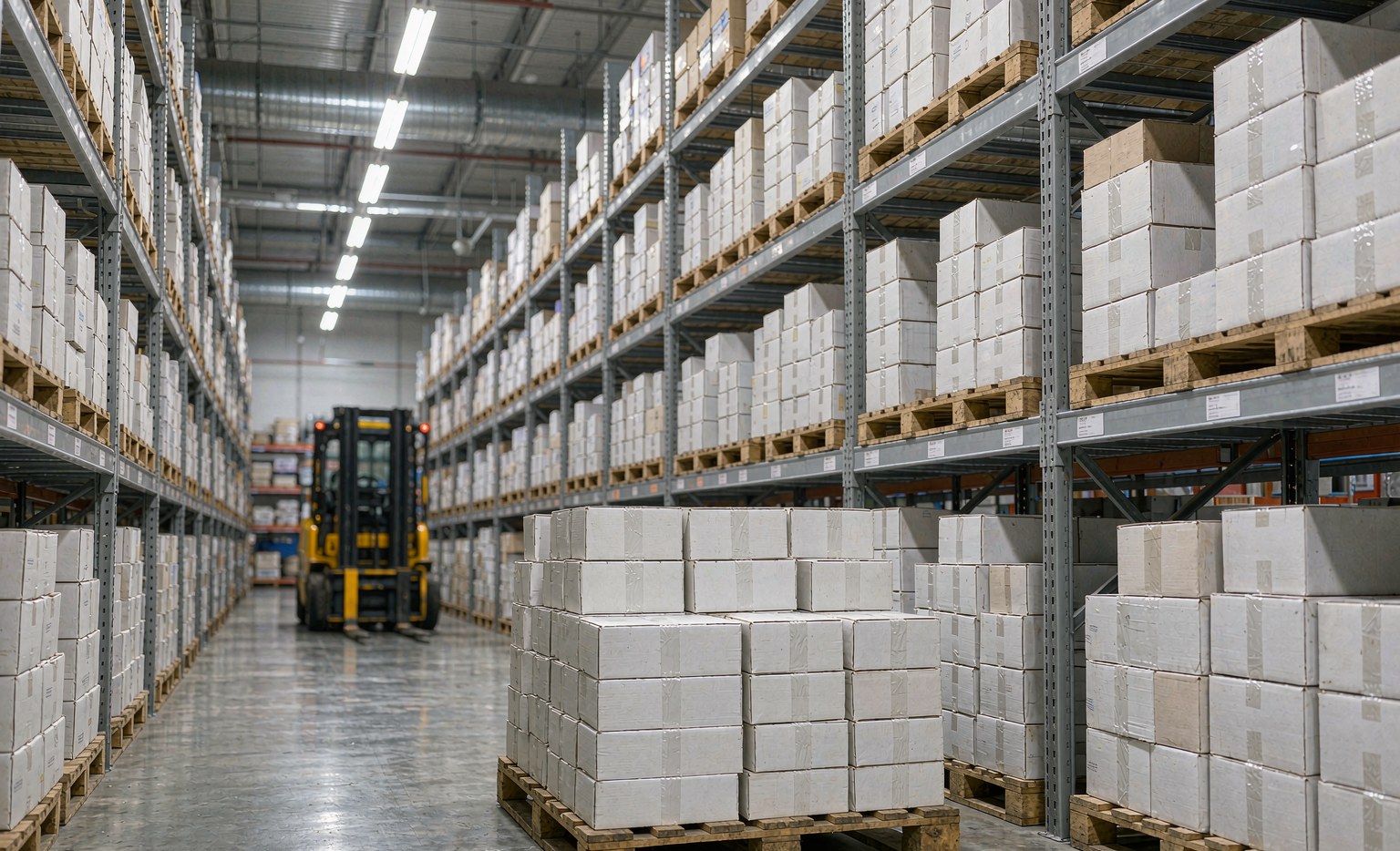
Two practical notes for anyone building a parts programme here. Quote OEM-grade quality rather than brand-name packaging, because the compliance risk of shipping product in another manufacturer's livery is not worth the margin. And work from OE numbers rather than model names, because the same Hilux generation carries different references across assembly plants. Our parts finder and the OE number index exist so a buyer can confirm the reference before the order, not after.
A Pre-Shipment Checklist for South Africa
If you are serious about a South African programme, run these eight checks in order. Each one has killed deals that looked fine at the quotation stage.
- Confirm factory right-hand drive in writing, with the model code and the OEM's export-market list.
- Check the model's South African compliance history before quoting. No history means a compliance file you may not be able to build.
- Model ad valorem from retail equivalent, not from FOB, and apply the 30% cap.
- Get the ITAC position in writing if the unit is used. Not one of the six categories means stop.
- Apply for the Letter of Authority early and budget four to eight weeks, not five days.
- Appoint a SARS-registered clearing agent before booking freight, and confirm terminal storage tariffs.
- Inspect and photograph before loading, including the VIN plate and odometer; pre-shipment evidence is what settles damage claims.
- Ask for the landed number, not the FOB number. A supplier who cannot produce the tax stack has not done this before.
Tell us the model and the destination, and we will tell you which gate it fails. For right-hand-drive models with an existing South African compliance history we quote factory availability and FOB Nansha pricing; for everything else we will say so plainly rather than book a container that cannot be registered. Parts enquiries — brake, cooling, suspension, engine, electrical — are quoted FOB Guangzhou within 48 hours from an OE list. Send the list through the enquiry form or by WhatsApp on +86 133-0240-8528.
Frequently Asked Questions
Can I import a used car into South Africa to resell?
No. ITAC permits are issued only for returning residents, immigrants with permanent residence, inherited vehicles, vintage or collector vehicles, disability-adapted vehicles and racing cars, and every permit carries a two-year no-resale undertaking. There is no permit category for commercial resale.
How much does it cost to import a car into South Africa in 2026?
Budget 55% of FOB on a cheap unit and up to 90% on an expensive one, made up of 25% customs duty, ad valorem excise on a sliding scale capped at 30%, and 15% VAT charged on the added tax value. On an FOB of R220,000 that is roughly R126,000 in tax before freight and clearing.
Is left-hand drive allowed in South Africa?
Not for vehicles imported now. Registration requires right-hand drive and the NRCS will not issue a Letter of Authority for a converted unit. The only practical exception is vehicles already registered in South Africa before the current rules, in practice around 2000 or earlier.
Do I need an ITAC permit for a new car?
No. New vehicles do not require an ITAC import permit. They do require an NRCS Letter of Authority, a customs declaration through a clearing agent, and payment of duty, ad valorem excise and VAT.
Can I ship a left-hand-drive car through Durban to Zimbabwe or Zambia?
Not usefully. Both countries drive on the left and require right-hand drive, as do Botswana, Lesotho, Eswatini, Malawi and Mozambique. Durban's in-bond transit works for right-hand-drive stock moving to those markets; it does not create a route for left-hand-drive vehicles.
How long does an NRCS Letter of Authority take?
NRCS processing is often quoted at about five working days once a complete file is lodged, but the realistic end-to-end timeline is four to eight weeks when test reports and model-level evidence have to be assembled. The fee is R300 to R1,800. Apply before booking freight.
Related Articles


Related Products
From our export catalog — parts and vehicles ready for international delivery