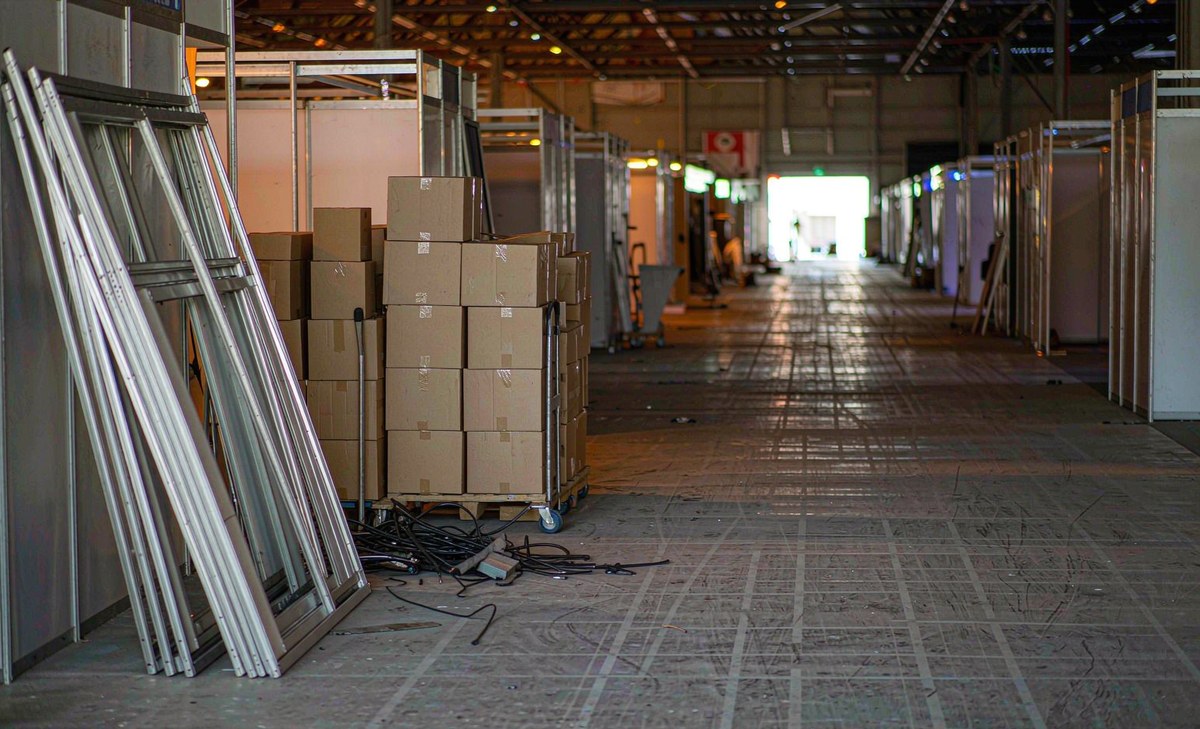
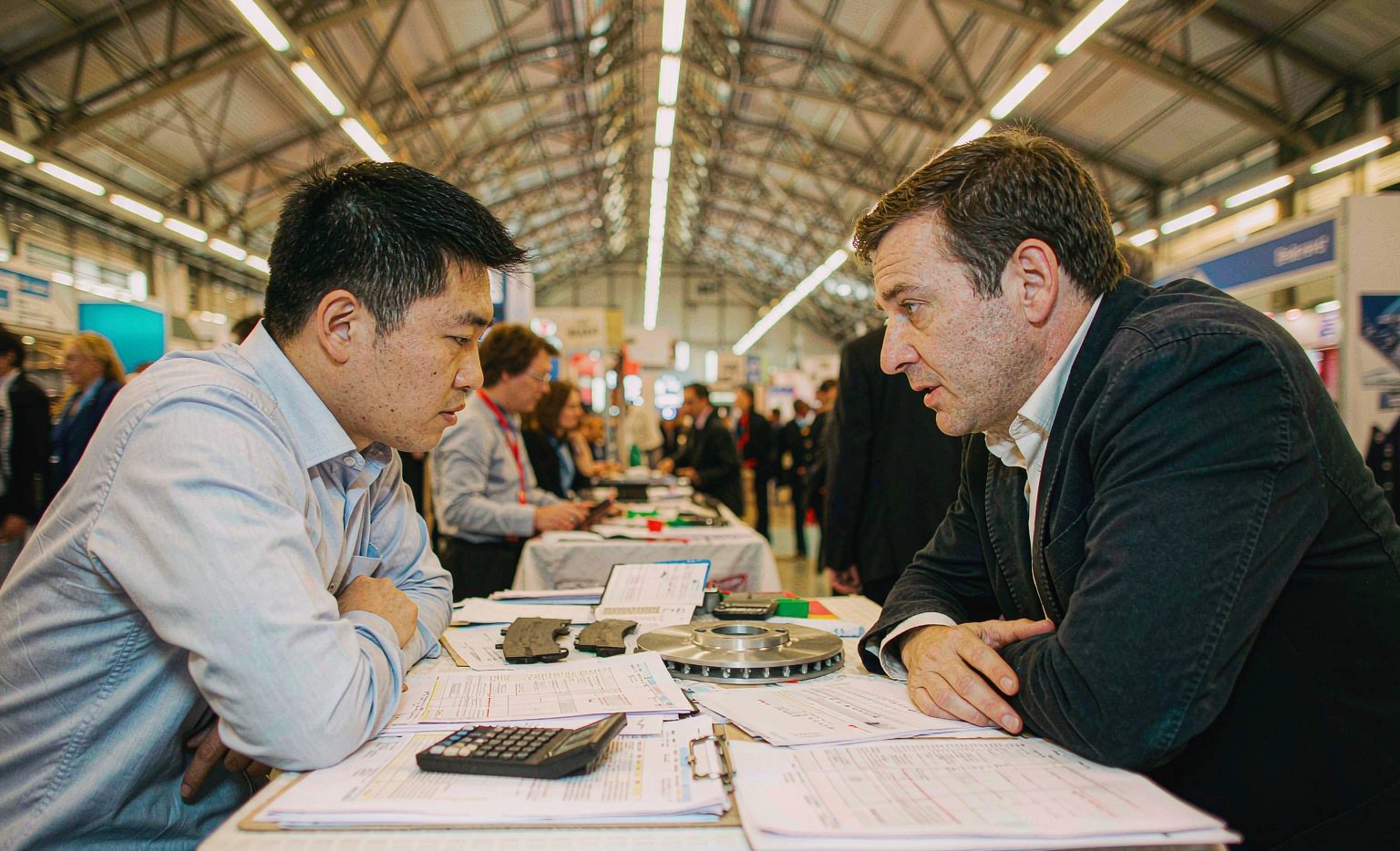
The 140th Canton Fair closed at 18:00 on Wednesday 4 November 2026, ending a 21-day calendar that ran three phases with two changeover breaks and marked the fair's 70th year. For auto parts buyers the closing bell is not the end of the buying cycle. It is the start of the 30 days that decide whether the contacts collected at Pazhou turn into purchase orders, and most of the failure happens in week one, quietly, while everyone is still answering emails on the flight home.
What follows is a recap of what the session actually delivered, and the follow-up sequence we run with buyers who leave Guangzhou holding sixty business cards and no plan for them.
Canton Fair 2026 Closed on 4 November: What That Actually Ends
Only the exhibition closed. The online platform that runs alongside the physical fair stays open through the year, and the suppliers you met are still producing and still answering WeChat at 23:00 Guangzhou time. Phase three ran 31 October to 4 November under the "Better Life" theme, with 25,000 booths and more than 12,000 exhibitors across 21 sections, roughly 190 new-product launches and a reported 15% rise in new products on show. None of it is automotive. It matters to a parts buyer for one reason: during phase three the city's freight capacity, hotel stock and translator supply return to normal, which is the window in which factory visits and loading inspections stop being a scheduling problem.
The automotive window was phase one, 15 to 19 October, where vehicles, new energy vehicles and smart mobility, parts, machinery, hardware and tools sit. If you were not in Guangzhou for those five days, Canton Fair 2026 is over for you in the physical sense. The sourcing work is not.
The 140th Canton Fair in Numbers
Headline figures from a fair this size are usually quoted without context. Here is the version we use internally, with the parts-buyer implication attached to each line.
| Metric | Figure | What it changes for a parts buyer |
|---|---|---|
| Session dates | 15 October – 4 November 2026, three phases | A 21-day calendar; your buying window inside it was five days |
| Phase 1 (vehicles and parts) | 15–19 October | The only stretch where brake, cooling, suspension, engine and electrical suppliers exhibit |
| Phase 2 | 23–27 October | Consumer goods, not parts; the changeover week is when factory appointments get easy |
| Phase 3 | 31 October – 4 November, 21 sections, 25,000 booths | Not parts; marks the point where freight and inspection schedules normalise |
| Overseas buyers by 19 October | 189,000 from 214 countries and regions, up 13.3% year on year | More competition for the same supplier hours, not less |
| Overseas buyers, whole session | About 340,000 | The pool your future email list is drawn from |
| Venue area | 1.55 million m² across four zones | Walking speed is a sourcing constraint, not a detail |
| Phase-1 intended turnover | USD 1.37 billion, reported as a record at the phase close | Intent, not contracted value — treat it as sentiment |
Two warnings on those numbers. Phase-level turnover carries a definition — intended, agreed or contracted — and the definitions differ between briefings, so compare direction rather than decimals. And a 13.3% rise in arrivals did not mean 13.3% more booth time: the supplier who answered your OE question properly was probably the one with fewer visitors, not more.
What Canton Fair 2026 Phase 1 Told Us About the Auto Parts Trade
The buyer mix moved toward Asia-Pacific. Buyers entering through Guangzhou ports during the session came 60.54% from APEC economies. That is a detail about order size and payment behaviour, not about travel. Those markets tend to place smaller, more frequent orders with tighter specification control, and they expect WhatsApp-level speed. If your follow-up is a formal PDF sent once a week, you are behind the supplier who replied on the walk back to the metro.
Suppliers are selling capacity, not just cartons. Several exhibitors put "Malaysia plant" or "Thailand production" on the booth wall, and the conversation moved from finished-goods price to supply-chain backup. For an auto parts buyer that becomes a question on the follow-up call: which line items are made where, and does the second site cover the same OE references or only the fast movers.
The product mix shifted, the failure modes did not. New energy content was everywhere, with a reported 15% rise in new products launched. The parts that generate warranty claims in your market are still brake friction, cooling, suspension joints and electrical sensors — categories where the difference between a good and a bad supplier is a material certificate and a batch number, not a booth video.
The 72-Hour Window Before the Trail Goes Cold
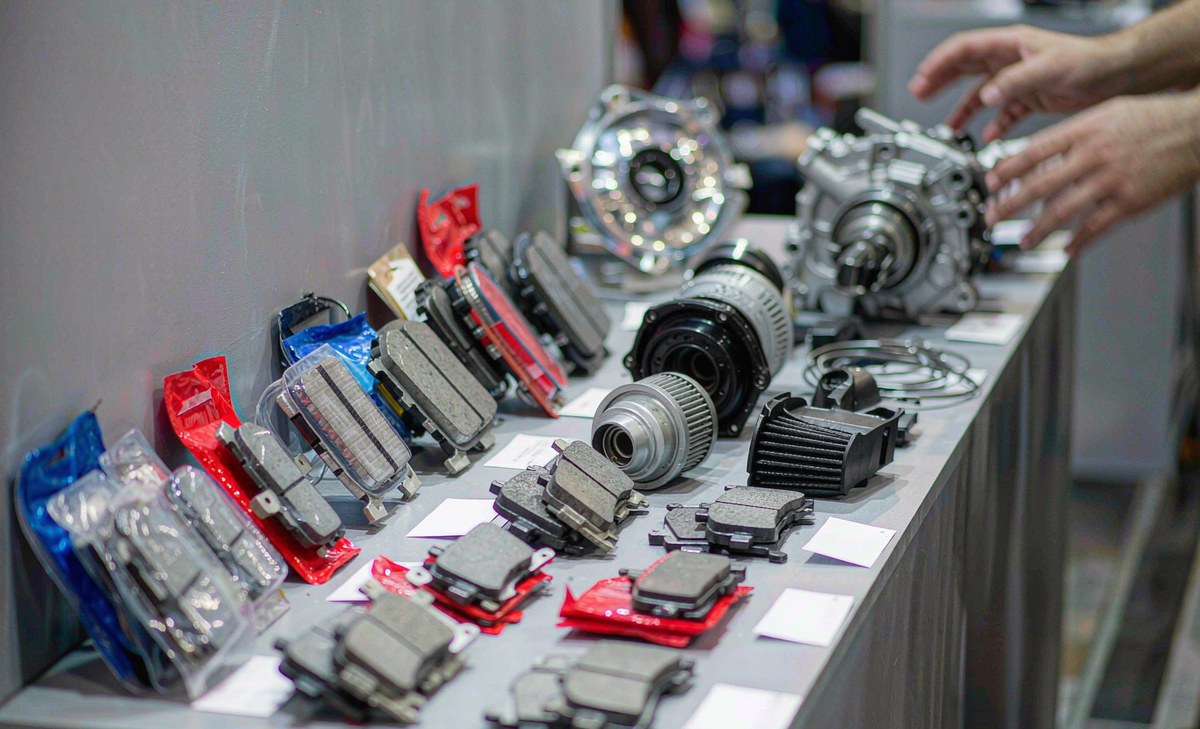
Memory decays faster than most buyers expect. Sixty conversations in five days blur into a general impression within a week, and by Monday you remember the booth colour but not which supplier quoted USD 4.20 and which quoted 4.85 on the same ceramic pad. Everything below is best done inside 72 hours of leaving the hall, ideally in the hotel the same evening.
- Photograph every business card next to the sample you took. Not the card alone. The pairing is the record; a folder of 60 card photos is useless by Thursday.
- Write one sentence per supplier, in your own words. Not "good supplier" but "quoted 4.20 at 500 sets, hesitated on the OE cross-reference for the Tucson front pad, said batch numbers are printed on the box". The hesitation is the finding.
- Record a 40-second voice note in the corridor if you cannot write. Transcription is cheap; a lost detail is not.
- Log the validity date from the quotation itself. If the sheet has no validity date, that becomes question one in your first email.
- Label the sample before it goes into the suitcase with supplier name, date and reference, because customs and your own warehouse will separate them for you.
Unglamorous work, and almost nobody does it. It is also why two buyers who visited the same 30 booths end up with different supplier lists six months later.

Sort Every Contact into Four Buckets
You do not have 60 leads. You have four groups, and only one of them deserves your first week. Sorting takes about 40 minutes with the notes in front of you, and it prevents the most common post-fair mistake: treating the most talkative supplier as the most qualified one.
| Bucket | What you saw at the booth | Action inside 72 hours | Deadline |
|---|---|---|---|
| A — quoted and sampled | Price sheet with a validity date, sample taken, OE references confirmed against your list | Send a written spec sheet with photos, confirm the reference numbers, ask the three questions the booth could not answer | Day 2 |
| B — quoted, no sample | Price given verbally or on a one-page sheet, sample promised but not packed | Request the sample against your own reference number and pay the courier cost yourself | Day 3 |
| C — catalogue and a colleague | Booth staff handed you to "our export manager" and took your card | One email, one specific question, no attachments | Day 5 |
| D — could not answer OE or certification questions | Vague answers on material grade, batch traceability or test reports | Park it. Re-test at the next cycle with a written technical question | Day 7 |
The buckets are not a permanent ranking. They stop bucket D from consuming the hours bucket A needs. A supplier who cannot describe its friction material face to face will not do it better over email, and learning that later costs a container of pads that fail in the first 8,000 km.
A Six-Week Canton Fair Follow-Up Cadence
Most follow-up plans die in week two, when your own customers start asking about delivery. The cadence below is deliberately slow: one reason to write each week, one thing asked for, nothing else.
| Week | What you send | What you ask for | Reply rate we see |
|---|---|---|---|
| 1 | Spec sheet with photos, target quantity, destination port | A corrected quotation against your specification | 6–7 in 10 |
| 2 | Sample order or sample-fee payment confirmation | Production date and courier tracking | 5 in 10 |
| 3 | Packaging, marking and label requirements | Carton dimensions, gross weight, label proof | 4 in 10 |
| 4 | Inspection plan and third-party quote | A confirmed inspection date and factory address | 3 in 10 |
| 5 | Trial order draft with payment terms | Proforma invoice and bank details on company letterhead | 2–3 in 10 |
| 6 | Booking intention and target sailing | Vessel schedule and cut-off dates | 2 in 10 |
Those reply rates come from our own inbox across recent cycles, not from an industry benchmark, and they are why we start with 12 to 15 suppliers rather than three. Six weeks produces two or three who are genuinely ready to ship. That is a normal outcome, not a disappointing one.
Why the October Canton Fair Price No Longer Applies
A quotation collected at the fair is a snapshot of a cost structure on one day in October. Between that day and a December order, four lines move: steel and pig iron, rubber and friction compound, ocean freight, and the exchange rate the supplier used. None of them move dramatically on its own. Together they routinely turn a 4.20 pad into a 4.45 pad, and buyers who treat the Canton Fair price as a fixed reference spend the next two months arguing about a number nobody can hold.
The professional move is to ask for the quotation's cost basis rather than to defend the number. Two questions do most of the work: which input is most volatile in this product, and how much movement triggers a re-quote? A supplier who can answer both has a costing system. A supplier who says "price is fixed, don't worry" either has not thought about it or intends to absorb the change at your expense later, usually through a substitution you did not approve.
Ask for 15 to 30 days of validity on the written quotation and agree in advance what happens after that window. It is a two-line email that prevents a five-week negotiation.
From 340,000 Buyers to One Auto Parts Supplier List
The session drew about 340,000 overseas buyers and more than 30,000 exhibitors. Your job between now and the spring session is to convert that noise into a list short enough to manage: two or three suppliers per part family, each with a sample record, a written quotation, an inspection result and a shipment behind it.
Score the survivors on four things, and resist adding a fifth. Material certification and batch traceability, because friction and load-bearing parts fail on material, not on price. OE cross-reference accuracy, because a pad that fits a 2016 Tucson and not a 2018 one generates returns that cost more than the margin. Packaging discipline, because cartons sized for domestic trucks waste 8–15% of your container. And responsiveness measured in hours during a real problem.
Then place a trial order small enough to survive a mistake. A first order of 200 sets across four references tells you more about a supplier than a container of one fast-moving part, and it costs less when the answer is wrong.
Building the 2027 Auto Parts Sourcing Calendar Before Momentum Dies
Write down when you will next be in Guangzhou, then work backwards from that date. Buyers who do this stop treating the fair as an annual event and start treating it as one checkpoint in a cycle.
| Window | What to complete | Output you should hold |
|---|---|---|
| November – December 2026 | Bucket A follow-up, samples in hand, trial orders placed | Two or three signed proforma invoices |
| January 2027 | Ship before the Chinese New Year production stop; confirm each factory's shutdown and restart dates | Cargo on the water, or a written sailing date |
| February – March 2027 | Review claims, returns and fitment complaints from the trial orders | A revised specification per part family |
| April 2027 | 141st session (spring); organisers publish exact dates — book accommodation early, Pazhou hotels fill months ahead | A pre-booked appointment list, not a cold walk-in |
| May – August 2027 | Deepen the two suppliers who shipped well; add one alternative per critical reference | A dual-source plan for your top ten SKUs |
Regional shows fill the gaps if you need a second data point on a supplier — the Automechanika editions and CAPAS in Chengdu run on their own calendars, and each has a different buyer mix. Check the dates with the organiser rather than from memory; they shift more often than most buyers assume.
What We Do After the Halls Close
Globalucar is a Guangzhou-based exporter and a sourcing partner during fair season, not an exhibitor at Pazhou, so we do not publish a booth number. What we can do in the weeks after the fair is more useful than a badge scan: hold samples in our Baiyun office for comparison, consolidate parts from three or four factories into one shipment, run a pre-shipment inspection, and quote FOB Guangzhou or FOB Nansha against your own specification rather than a catalogue page.
If you left Guangzhou with a shortlist and want a second opinion, send the OE numbers and the quotation sheets. We will say which references we can cross-check against our own database and which we cannot, which is the fastest way to learn whether the price you were quoted matches the part you were shown.
Frequently Asked Questions
When exactly did the 140th Canton Fair end?
The physical exhibition closed on 4 November 2026, the last day of phase three, which ran from 31 October. Phase one, the automotive window, ran 15 to 19 October. The online platform continues outside those dates.
I missed phase one. Can I still buy auto parts from those suppliers?
Yes, and the process is the same except for the sample. Ask for one against your own OE reference, pay the courier, and treat the sample as the specification. You lose the ability to compare ten suppliers in one afternoon; you recover it by narrowing faster and inspecting earlier.
How long should I wait before following up after the fair?
Two working days for bucket A suppliers, not two weeks. Booth teams clear their card stacks in the first week, after which your email competes with the domestic order book. A short message with the specification attached beats a long one asking how business is.
Is the price quoted at the fair still valid in December?
Usually not, unless the sheet states a validity period. Steel, rubber, freight and exchange rates move between October and December. Ask for the cost basis and the trigger for a re-quote rather than arguing over the original number.
How many suppliers should I shortlist from a session this size?
Twelve to fifteen for follow-up, three to five for sampling, two or three for a trial order. Anything above that is a list you will not maintain. The bottleneck is the inspection and documentation work each one requires.
Do I need to attend both the autumn and spring sessions?
Not every year, but alternating has a cost: suppliers rotate new references into the spring session and price levels reset. If you are developing new part families, the spring session is where sampling costs least.
The fair is a compressed version of a market: 340,000 buyers, 30,000 exhibitors, five days of automotive content and a great deal of noise. The buyers who get value from Canton Fair 2026 are rarely the ones who collected the most cards. They are the ones who sorted the cards within three days, wrote to fifteen suppliers with a specification instead of a greeting, and placed a trial order small enough that being wrong was affordable. That work starts now, not at the next opening ceremony. For a second pair of eyes on the shortlist you brought home, our Guangzhou team is on WhatsApp at +86 133 0240 8528 or at ucars@global-ucars.com, and the auto parts finder covers the thirteen brands we stock most deeply.
Related Articles
Related Products
From our export catalog — parts and vehicles ready for international delivery

Suspension Kit
Complete Suspension Rebuild Kit – Hyundai Tucson / Kia Sportage (Front Axle)
$65.00 - $130.00
View Details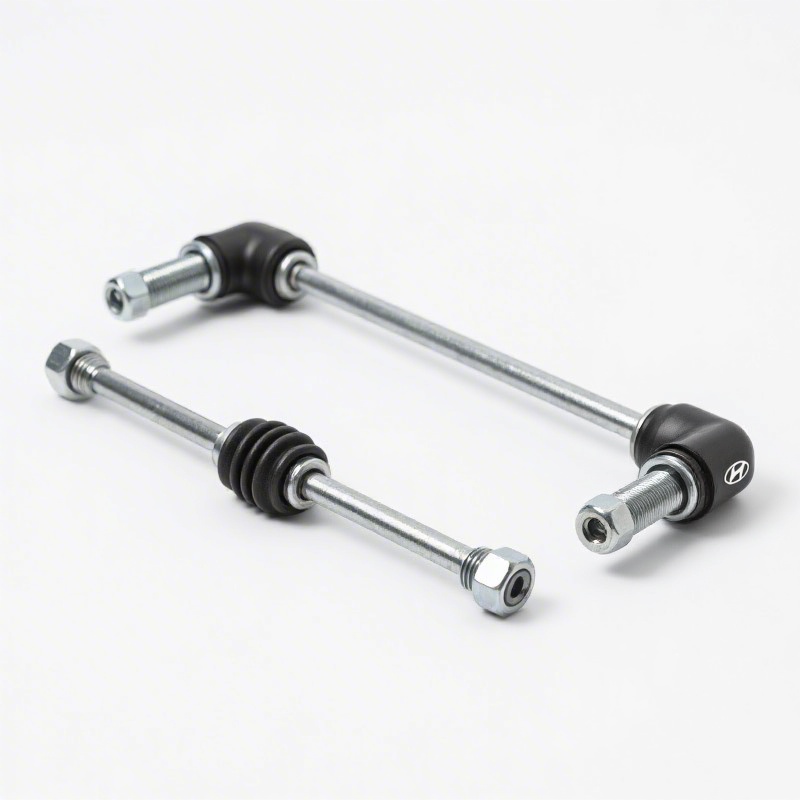
Tie Rod Kit
Steering Rack Inner & Outer Tie Rod Kit – Hyundai Tucson / Kia Sportage
$22.00 - $45.00
View Details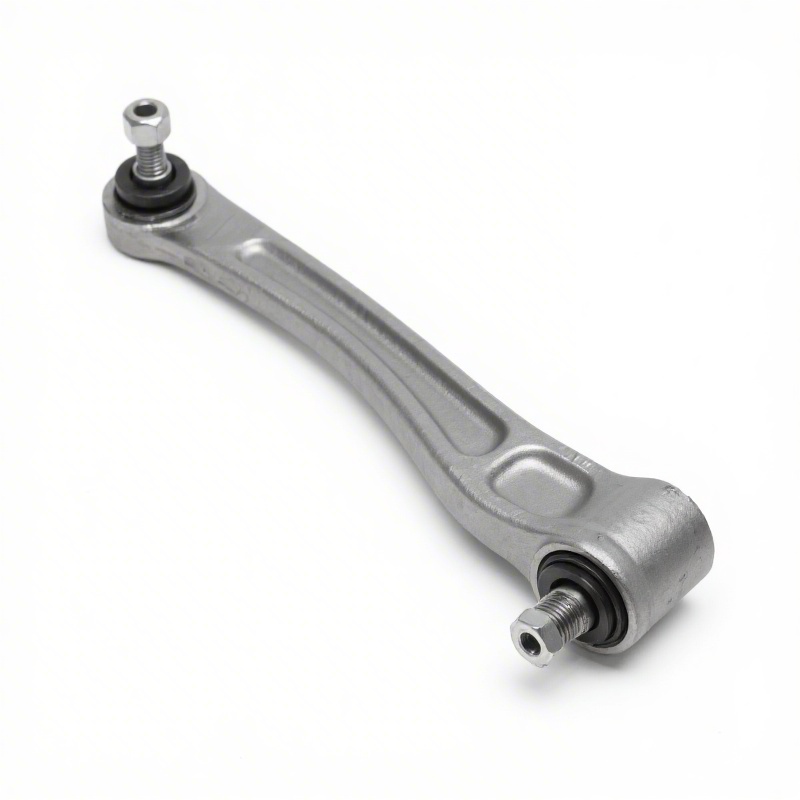
Control Arm
Front Lower Control Arm Complete Assembly – Hyundai Santa Fe / Kia Sorento (4WD)
$22.00 - $50.00
View Details