Why Toyota Vehicles Dominate African and Middle Eastern Markets
Ask any fleet manager in Lagos, Nairobi, or Dubai what vehicle they trust most for reliability in extreme conditions, and the answer will be overwhelmingly Toyota. The Land Cruiser, Hilux, and Fortuner are not just popular in Africa and the Middle East — they are foundational infrastructure for commerce, government, NGO operations, and personal transport across some of the world's most demanding environments. Understanding why Toyota commands this market — and how Chinese-exported Toyota used vehicles fit into the supply chain — is essential for any serious used car exporter.
The Toyota brand advantage in these markets rests on several compounding factors. First, mechanical simplicity and serviceability: a Land Cruiser 70 Series can be repaired by a competent mechanic with basic hand tools in virtually any village from Cameroon to Oman. This is not true of many modern European or American vehicles, which require dealer-level diagnostic equipment for even routine servicing. Second, spare parts ubiquity: Toyota genuine and aftermarket parts are available in every major African trading hub, often at lower cost than equivalent components for European vehicles. Third, resale value: Toyota vehicles in Africa hold their value remarkably well, depreciating at roughly half the rate of comparable European vehicles over a 5-year ownership period. Fourth, brand perception: Toyota represents a combination of reliability, capability, and prestige that resonates across income levels from Kenyan taxi drivers to UAE government ministries.
According to data from Fitch Solutions, Toyota held a 17.2% share of the African passenger vehicle market in 2024, with commercial vehicle dominance even higher. In Nigeria, Toyota accounted for 38% of all imported used vehicles between 2020 and 2024. In Kenya, the Land Cruiser 78 Series is a de facto standard for safari vehicles, police patrol vehicles, and NGO fleet operations. In the UAE and Saudi Arabia, Toyota represents over 30% of the SUV market, with the Land Cruiser consistently ranking as the best-selling large SUV for over a decade.
Top Toyota Models for Used Car Export: Land Cruiser, Hilux, Fortuner
The three Toyota models most actively traded in the African and Middle Eastern used car market are the Land Cruiser, Hilux, and Fortuner — each serving distinct market segments:
- Toyota Land Cruiser (70 Series / 200 Series / 300 Series): The iconic body-on-frame full-size SUV. The 70 Series (2.8L diesel, 1VD-FTV 4.5L V8 diesel) is the backbone of commercial fleets, government vehicles, and overland safari operators across Africa. The 200 Series (2.8L diesel / 3.5L petrol V6 twin-turbo) serves the premium SUV market in urban Africa and the Gulf states. The 300 Series (3.3L diesel twin-turbo, launched 2021) is the newest generation, increasingly available in the China-market used pool.
- Toyota Hilux (single cab / double cab): The world's best-selling pickup truck for 12 consecutive years. In Africa, Hilux serves as both a work vehicle (construction, agriculture, mining) and a family vehicle in markets where a double-cab configuration bridges the gap between truck utility and SUV practicality. Key engines: 2.4L diesel (2GD-FTV), 2.8L diesel (1GD-FTV), 2.7L petrol (2TR-FE). Available in 4×2 and 4×4 configurations.
- Toyota Fortuner (SUV / IMV platform): The unibody SUV based on the Hilux IMV platform. The Fortuner competes directly with the Isuzu MU-X and Mitsubishi Pajero Sport in the African 3-row SUV market. The 2.8L diesel is the dominant engine in African markets; the 2.7L petrol is more common in the Middle East. Premium GCC-market Fortuners are increasingly exported to East Africa as right-hand drive models become scarcer in some markets.
Market Demand by Country: Nigeria, Kenya, Ghana, UAE, Saudi Arabia
Understanding the specific demand profile by destination country is critical for procurement decisions — the right vehicle for Lagos is different from the right vehicle for Nairobi or Dubai.
| Country | Preferred Models | Dominant Engine/Config | Key Buyer Segment | Price Sensitivity |
|---|---|---|---|---|
| Nigeria | Land Cruiser 78/79 Series, Hilux Double Cab | 2.8L diesel 4×4, 2.4L diesel | Fleet operators, government, wealthy individuals | High — duty is the main cost driver |
| Kenya | Land Cruiser 78 Series, Hilux Single/Double Cab | 2.8L diesel 4×4 | Safari companies, NGOs, police, private fleet | Medium-High |
| Ghana | Land Cruiser, Hilux Double Cab | 2.8L diesel 4×4 | Corporate fleet, government, transport companies | Medium |
| Tanzania | Land Cruiser 78/79 Series, Hilux | 2.8L diesel 4×4 | Mining companies, safari, agriculture | Medium |
| UAE | Land Cruiser 200/300 Series, Fortuner | 3.5L V6 twin-turbo petrol, 2.8L diesel | Expatriate families, fleet, government | Low — premium segment |
| Saudi Arabia | Land Cruiser 200/300 Series, Hilux | 3.5L V6 petrol, 2.8L diesel | Government, corporate, retail | Low-Medium |
Import Regulations and Age Limits by Market
Each African and Middle Eastern market imposes specific age and emissions standards on imported used vehicles. Understanding these regulations is non-negotiable — a shipment rejected at port can wipe out an entire container's margin.
- Nigeria: Used vehicles must be under 15 years old from the year of manufacture (as of 2026, vehicles from 2011 onwards are eligible). Right-hand drive vehicles are preferred and attract lower duty rates. Left-hand drive vehicles face a surcharge and are less desirable in the secondary market. Nigeria's Standards Organisation (SON) requires a Certificate of Conformity (CoC) for each vehicle. Diesel engines are strongly preferred due to fuel cost economics. Source: Nigeria Federal Ministry of Trade and Investment import guidelines, 2025.
- Kenya: Kenya Bureau of Standards (KEBS) requires vehicles to be under 8 years old (as of 2026, vehicles from 2018 onwards). Right-hand drive vehicles from Japan and the UK are the traditional supply, but Chinese-exported Toyota vehicles with right-hand drive configuration are increasingly competitive. Kenya has adopted Euro 4 / GS 1118:2018 emissions standards. Left-hand drive vehicles are prohibited from import. Source: Kenya Gazette Vol. XXIV No. 78, KEBS Import Standards.
- Ghana: Vehicles must be under 10 years old. Right-hand drive preferred. Ghana Standards Authority (GSA) requires certification. Euro 4 minimum emissions standard. Source: Ghana Revenue Authority Customs Division, Import Guidelines 2025.
- UAE: No age limit for used vehicle imports (but vehicles must pass UAE Emirates Standards vehicle inspection at port). GCC Specification vehicles (including Chinese-market Toyota with GCC-spec modifications) are preferred. Chinese-market vehicles may require modification of certain systems (speedometer in mph, rear fog lights, etc.) before registration. Right or left-hand drive both accepted. Source: UAE Ministry of Interior Road and Transport Authority (RTA) import regulations.
- Saudi Arabia: Vehicles must be under 5 years old for personal imports (more flexible for commercial fleet imports). SASO (Saudi Standards, Metrology and Quality Organization) certification required. Right-hand drive vehicles are acceptable but left-hand drive is more common in the Saudi market. Source: Saudi Customs Authority import tariff schedule, 2025.
Import Duty Rates: Nigeria, Kenya, Ghana, UAE, Saudi Arabia
Duty rates significantly affect the landed cost and thus the commercial viability of any used Toyota export. Below are indicative duty rates for 2026 — always verify with a licensed customs agent in the destination country before finalising pricing:
| Country | Used Car Duty Rate | Additional Charges | Right-Hand Drive Premium | Indicative Landed Cost (Hilux 2.8L DC, US$12,000 FOB) |
|---|---|---|---|---|
| Nigeria | 35% CIF value | 7.5% VAT, 0.5% levy, SON CoC fee | Lower duty for RHD | USD 19,000–21,000 |
| Kenya | 25% CIF value | 16% VAT, 2% IDF, KEBS fee | N/A — RHD only | USD 17,500–19,500 |
| Ghana | 30% CIF value | 13% VAT, 1% ECOWAS levy, GSA fee | Moderate RHD preference | USD 18,500–20,500 |
| UAE | 5% customs duty | 5% VAT, registration fee | None | USD 14,000–15,000 |
| Saudi Arabia | 5% customs duty (commercial); 20% (personal) | 5% VAT, SASO fee | None | USD 14,500–16,500 (commercial) |
China-Market Toyota: What Exporters Need to Know
A critical consideration for exporters sourcing Toyota vehicles from China is understanding the China-market specification versus the export specification (particularly for GCC and African markets). Chinese-built Toyota vehicles — primarily from FAW Toyota (Changchun and Chengdu plants) and GAC Toyota (Guangzhou plant) — have evolved significantly in recent years, and their export potential depends on several key factors.
The most exportable China-built Toyota vehicles in 2026 include:
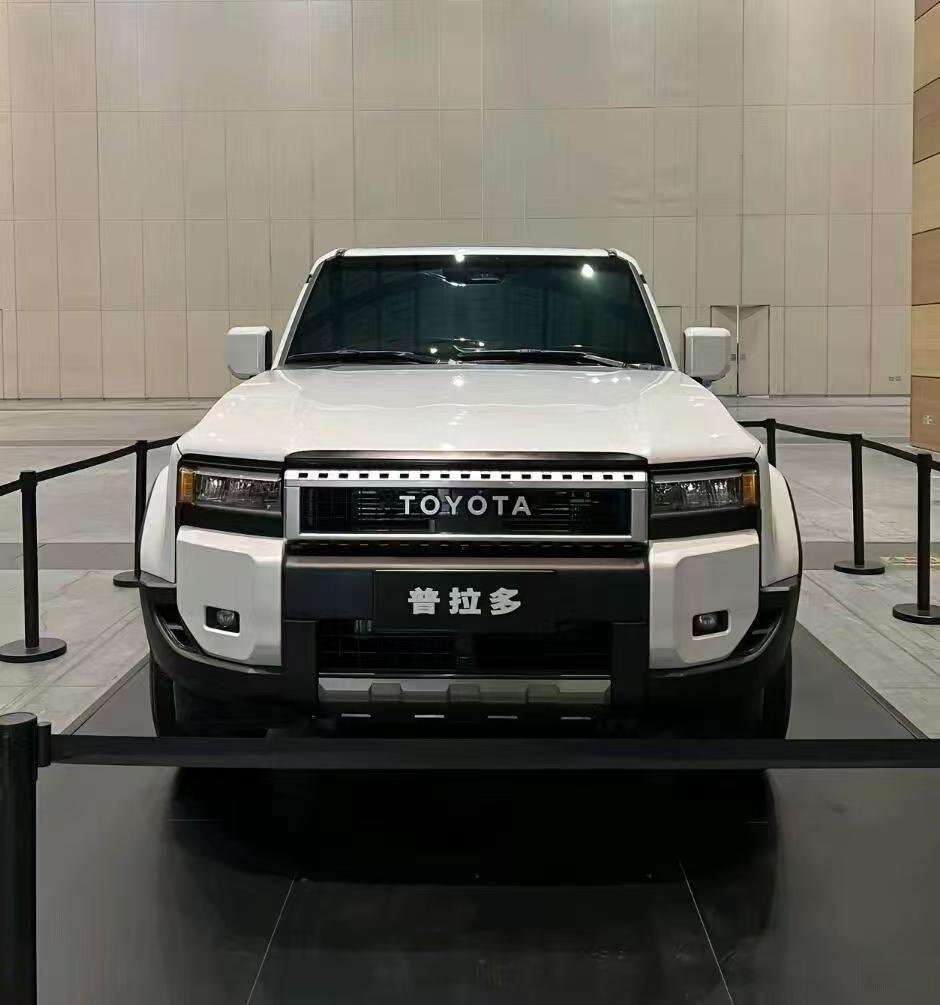
- Toyota Land Cruiser Prado (FAW Toyota, Chengdu): Now available as both conventional petrol (2.4T, 2.7L) and Full Hybrid (HEV). The 2025-2026 Prado HEV with the 2.4T hybrid powertrain offers combined output of 243 kW (330 hp) and 630 Nm torque — far exceeding the old 3.5L V6 naturally aspirated engine, with significantly better fuel economy in stop-start traffic. The Prado is widely accepted in GCC markets and increasingly considered for African government fleet procurement.
- Toyota Corolla / Camry (GAC Toyota, Guangzhou): High-volume production of the Corolla (1.2T, 1.8L HEV) and Camry (2.0L, 2.5L HEV) in Guangzhou makes these available in large quantities. While these are primarily sedan models, they serve the entry-level used car market in West African urban centres.
- Toyota Sienna (GAC Toyota): The Sienna MPV, built in China since 2021, is gaining attention in African markets as a premium people-mover for hotel shuttle, airport transport, and corporate fleet applications.
Key considerations when sourcing China-built Toyota for African/Middle Eastern export:
- Speedometer units: China-market vehicles display speed in km/h. Many African markets require mph, and GCC markets typically require both. Verify whether the vehicle can be re-calibrated or whether this affects its eligibility.
- Emissions standard: China VI (equivalent to Euro 6d) exceeds the minimum requirements of most African markets. However, some destination countries require specific documentation proving emissions compliance.
- Right-hand drive availability: China drives on the left side of the road (unlike most of Africa, which follows British driving conventions), meaning China-market Toyota vehicles are predominantly left-hand drive. Right-hand drive Toyota vehicles for Africa are more commonly sourced from Japan, the UK, or South Africa — not China. However, some specific China-built models are available with right-hand drive for export markets.
- Warranty and service network: China-built Toyota vehicles may not carry international Toyota warranty coverage, which is a consideration for buyers expecting factory-back support.
Logistics: Shipping from Nansha Port to African and Gulf Ports
Nansha Port (Guangzhou) is the most practical departure point for Toyota exports to West Africa, East Africa, and the Gulf. The port handles both Roll-on/Roll-off (RoRo) shipping and container shipping:
- RoRo shipping (preferred for single vehicles or small quantities): Nansha to Lagos (Nigeria) via Hong Kong / Singapore transshipment: approximately 35–40 days. Nansha to Mombasa (Kenya) direct: approximately 18–22 days. Nansha to Dubai (UAE): 14–18 days. RoRo rates vary by season and vessel availability — approximately USD 2,000–3,500 per vehicle for West Africa routes.
- Container shipping (for multiple vehicles or combined with parts): A 40-foot high-cube container can typically accommodate 2 standard SUVs (Land Cruiser/Hilux) or 3–4 compact vehicles. Nansha to Lagos: USD 1,200–2,000 per CBM for consolidated cargo. Nansha to Mombasa: USD 800–1,500 per CBM.
For mixed Toyota orders (multiple Land Cruisers and Hiluxes), a combination approach works best: RoRo vessels offer the most cost-effective unit economics for 3+ vehicles of the same model, while 20-foot containers are ideal for 2 vehicles plus a parts package. We recommend including a parts kit (brake pads, filters, timing belt, clutch kit) with each vehicle shipment, as workshop-grade Toyota parts are expensive in many African markets and having a supply of common wear items adds commercial value for fleet buyers.
Buying vs Brokering: How to Structure Your Procurement
Exporters sourcing Toyota vehicles from China for African and Middle Eastern markets can operate in two modes: direct purchase or brokerage/commission.
Direct purchase means you buy vehicles outright, hold inventory, and sell to buyers in the destination market. This model offers higher margins per unit but requires working capital, inventory risk management, and destination market sales expertise. Typical margin for a Land Cruiser 200 Series in the Nigeria market: USD 3,000–6,000 per unit, depending on specification and market timing.
Brokerage / commission model means you source vehicles on behalf of buyers in Africa or the Middle East, charging a sourcing fee (typically 5–10% of vehicle value) plus logistics coordination fees. This model requires less capital but depends heavily on building trust with international buyers and providing transparent vehicle sourcing with photographic and video documentation.
Most new Toyota exporters start with the brokerage model, then transition to direct purchase as they build relationships with repeat buyers. Both models benefit from establishing a physical presence or trusted local partner in the destination market to handle customs clearance and last-mile delivery.
Recommended Toyota Configurations by Market
Based on demand data from Globalucar's export records and market research, here are the most commercially viable Toyota configurations for each target market:
| Destination Market | Recommended Model | Recommended Spec | Target Price Range (FOB Nansha) |
|---|---|---|---|
| Nigeria (Lagos, Abuja) | Toyota Land Cruiser 78 Series | 2.8L diesel, 4×4, RHD, Heavy Duty (HD) suspension, army-green or white | USD 18,000–28,000 |
| Kenya (Nairobi, Mombasa) | Toyota Land Cruiser 78 Series | 2.8L diesel, 4×4, RHD, safari roof rack, white | USD 16,000–26,000 |
| Ghana (Accra, Kumasi) | Toyota Hilux Double Cab | 2.8L diesel, 4×4, RHD, Premium trim | USD 14,000–20,000 |
| UAE (Dubai, Abu Dhabi) | Toyota Land Cruiser 300 Series | 3.5L V6 twin-turbo petrol, 4×4, VX-L or GR Sport grade | USD 35,000–55,000 |
| Saudi Arabia (Riyadh, Jeddah) | Toyota Land Cruiser 200 Series | 3.5L V6 petrol twin-turbo, VX grade, full option | USD 30,000–48,000 |
| Tanzania (Dar es Salaam) | Toyota Hilux Single Cab 4×4 | 2.4L diesel, 4×4, RHD, work truck spec | USD 11,000–16,000 |
FAQ
Q: Can I import left-hand drive Toyota vehicles to Nigeria or Kenya?
A: Nigeria allows left-hand drive vehicles but applies a surcharge to the import duty and they sell at a discount in the secondary market compared to right-hand drive equivalents. Kenya does not allow left-hand drive vehicle imports at all. For both markets, prioritise right-hand drive configurations sourced from China-export RHD markets, Japan, or South Africa.
Q: What is the maximum age for used Toyota imports to Nigeria?
A: Vehicles must be under 15 years old from the year of first registration. As of 2026, this means vehicles first registered in 2011 or later are eligible. Note that the age is calculated from the year of first registration globally — not the model year of manufacture. Always verify the chassis number and registration history before purchase.
Q: Can I combine Toyota vehicles with auto parts in the same container?
A: Yes. A 40-foot high-cube container can accommodate 2 standard SUVs (Land Cruiser or Hilux) along with a parts kit (brake pads, filters, spark plugs, timing belts, clutch kits). For mixed orders, we recommend grouping parts by vehicle application so each vehicle buyer receives a matching parts package. Adding a parts kit to a vehicle shipment adds USD 200–600 to the invoice value but significantly increases the commercial appeal of the offer.
Q: What documentation is required for customs clearance in African ports?
A: Standard required documents include: Bill of Lading (B/L), Commercial Invoice, Packing List, Certificate of Origin, Certificate of Conformity (CoC — required by Nigeria, Kenya, and Ghana), Insurance Certificate, and Export Declaration from China Customs. The CoC must be obtained from an accredited inspection body (e.g., SGS, Bureau Veritas, or Cotecna) before shipment.
Q: How do I verify a Toyota vehicle's history before purchase?
A: Request the vehicle identification number (VIN) and run a vehicle history check through the destination country's motor registry (if accessible) or through an independent service such as autoDNA, Carfax (for vehicles originally registered in North America), or Japan-based services for Japanese-market vehicles. For China-market vehicles, verify the factory production record, registration history in China, and any accident or insurance claim records through a third-party inspection service like Youxianche or Che300.
Source Toyota Vehicles for Your Market
Globalucar Vehicle Export supplies Toyota Land Cruiser, Hilux, Fortuner, and other Toyota models for export to Africa and the Middle East — sourced from verified dealers, auction pools, and factory partnerships in China. We handle vehicle sourcing, pre-shipment inspection, RoRo or container loading at Nansha Port, and export documentation. Contact our commercial vehicle team for a tailored quotation.
WhatsApp our export team for Toyota inventory availability →
Send us your target model, year, and destination port →
Browse all available Toyota vehicles →
Verify Part Numbers in Our OE Library
Every part covered in this guide has a matching OE number in our reference library — grouped by system with cross-references, so you can source the exact fit for Hyundai, Kia, GM Korea and more.
Related Articles
Related Products
From our Vehicle Export catalog — new & used cars ready for international delivery
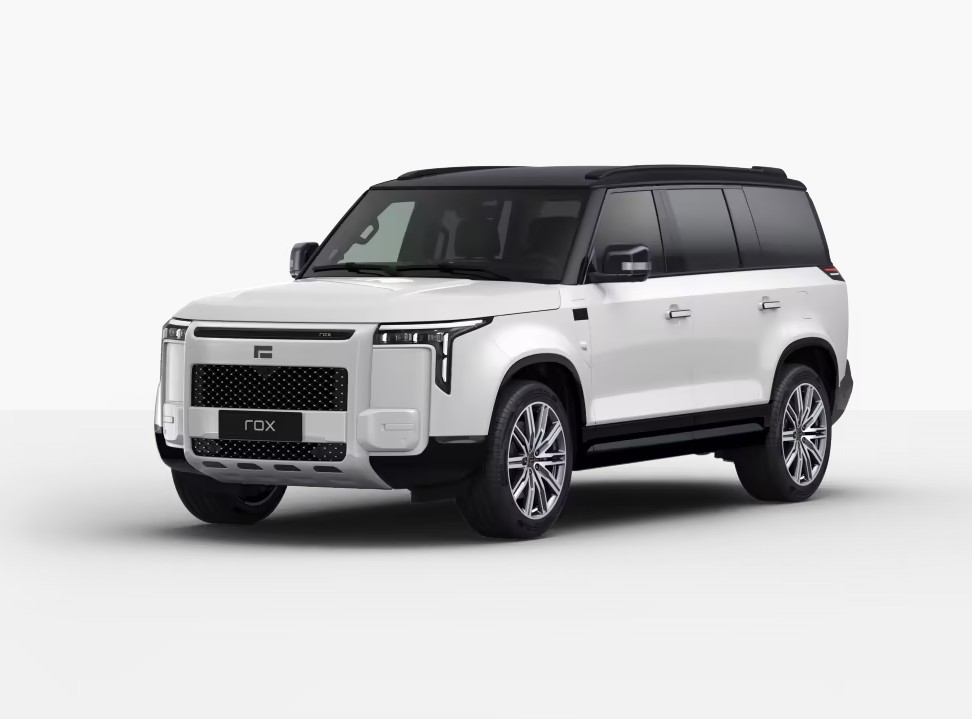
Full-Size EREV SUV
2026 Rox Adamas EREV 215km 6-Seat Executive Edition
USD 53,000 FOB Guangzhou
View Details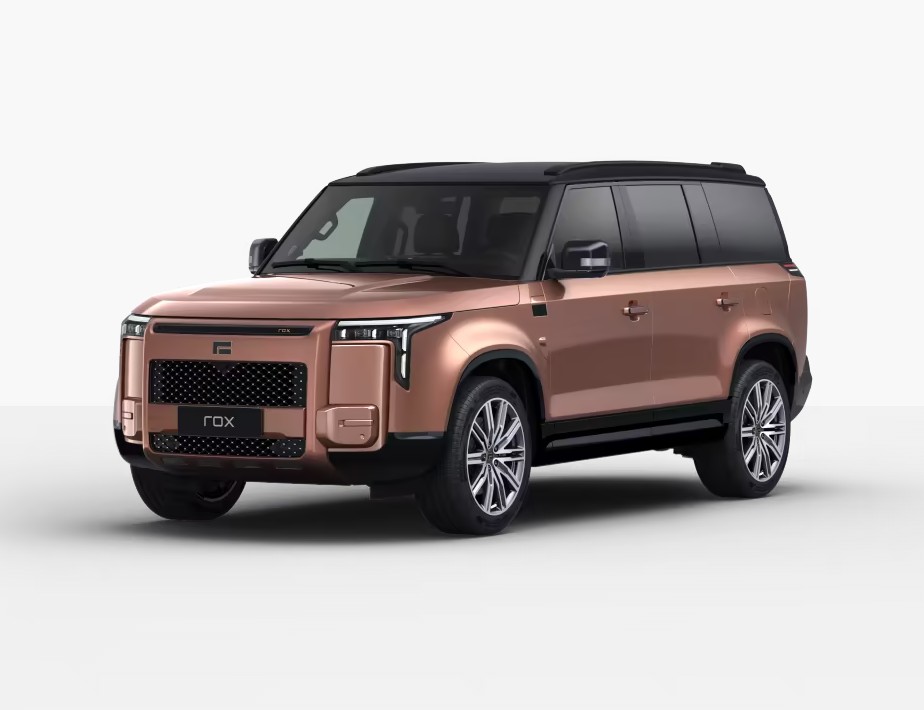
Full-Size EREV SUV
2026 Rox Adamas EREV 215km 7-Seat All-Terrain Edition
USD 51,500 FOB Guangzhou
View Details