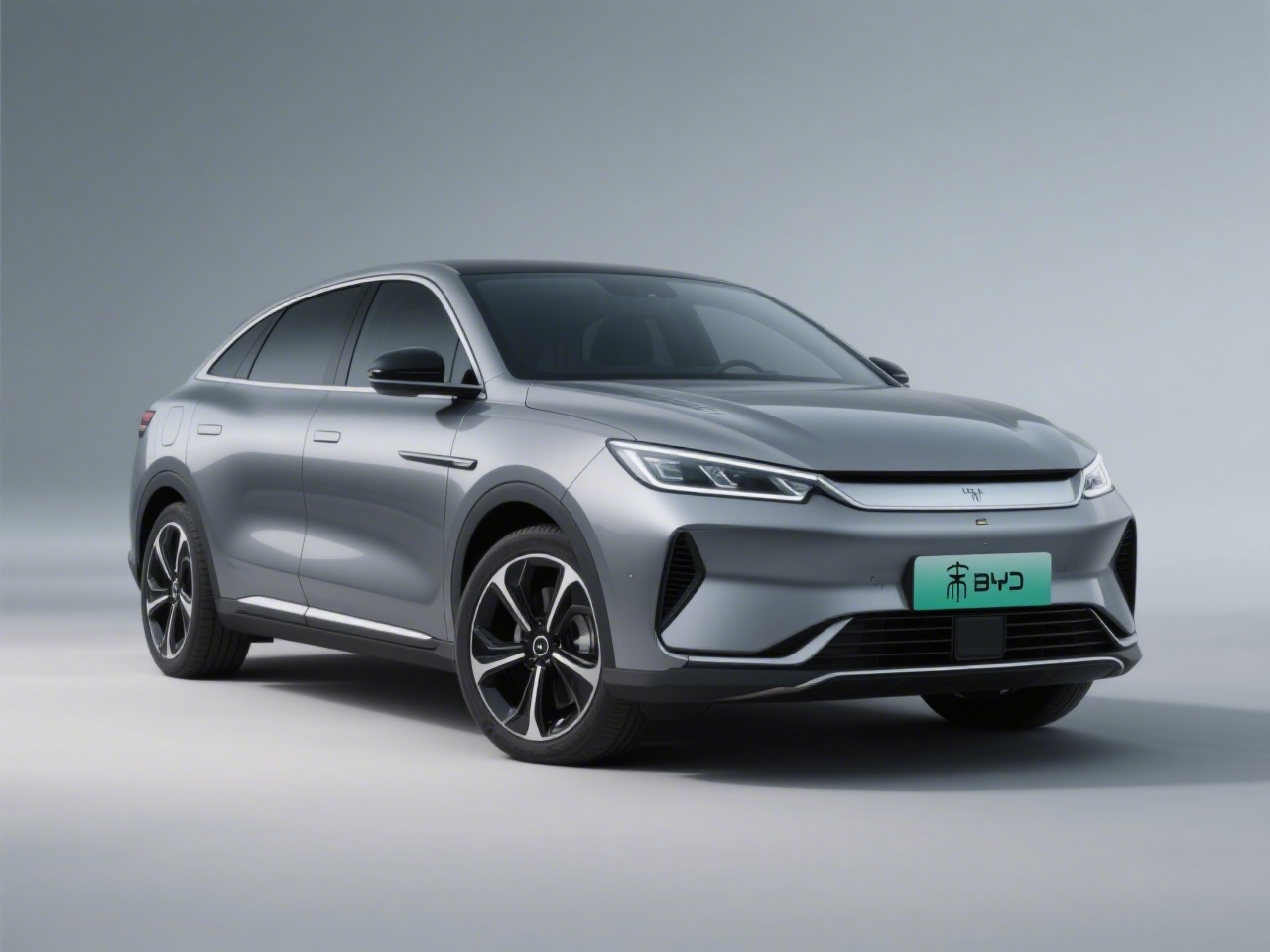
Why Russia Is the World's Most Important New Market for Chinese Cars
When Western automotive brands — Volkswagen, Toyota, Mercedes-Benz, BMW, Ford — curtailed or halted their Russian operations in 2022 following international sanctions, they left behind a market of 144 million people with a vehicle ownership rate well below Western European levels and a powerful appetite for personal mobility. Chinese automakers moved in fast and with purpose. By 2024, Chinese brands held over 50% of Russia's new passenger vehicle market, a share that continues to expand as domestic Russian production struggles to fill the gap and Western brands show no signs of returning at scale.
For international vehicle exporters and distributors, Russia represents the single largest growth opportunity in the global automotive trade. The combination of insatiable market demand, preferential trade terms between China and Russia, improving certification pathways, and an established network of Chinese brand distributors already operating in-country means that getting Chinese vehicles into Russia is more feasible than ever in 2026.
At Globalucar Vehicle Export, we have been tracking the Russia market closely since 2022 and have begun facilitating inquiries from Russian buyers and international distributors targeting Russian dealers. This article provides the comprehensive guide: from understanding Russian vehicle certification requirements to selecting the right models, managing logistics, and closing your first procurement order.
Russia's Automotive Landscape 2026: Post-Western Brands, Chinese Dominance
Russia's automotive market has undergone a fundamental transformation in less than four years. Prior to 2022, the top-selling brands in Russia were Kia, Hyundai, Volkswagen, Toyota, and Skoda — all with significant local production through joint ventures. These manufacturers accounted for roughly 60% of all vehicles sold in Russia. Source: AEB (Association of European Businesses) Russia Auto Sales Report, 2021.
By 2025, the market landscape had been completely reshaped. According to data from the Russian Ministry of Industry and Trade and AEB, Chinese brands — led by Haval, Chery, Geely, and Exeed — captured approximately 52% of the new passenger vehicle market. The overall market size recovered to approximately 1.55 million units in 2025, up from a low of 687,000 units in 2022. Source: AEB Russia Auto Market Report, January 2026.
Several structural dynamics make Russia particularly attractive for Chinese vehicle exporters:
- Supply-demand imbalance: Russian dealers report waiting lists of 3–6 months for popular Chinese models. Demand significantly outstrips supply through official distribution channels.
- Price premiums: Chinese vehicles in Russia sell at 15–30% higher retail prices than equivalent models in China, creating attractive margin opportunities for early entrants who can secure direct supply.
- Infrastructure adaptation: Chinese EV and PHEV models are gaining traction as Russian consumers seek fuel-efficient alternatives — a trend amplified by volatile petrol prices.
- Government support: The Russian government has actively supported Chinese brand localization through preferential industrial park policies and reduced import duties for vehicles meeting EAC certification standards.
Understanding Russian Vehicle Certification: EAC, GOST, and Technical Regulations
The single most important barrier to exporting vehicles to Russia is certification. Unlike many markets that accept international type approvals with minimal additional testing, Russia — as a member of the Eurasian Economic Union (EAEU) — requires vehicles to comply with the EAEU's unified technical regulations, with the EAC certificate serving as the primary conformity mark.
Here is what you need to know about the Russian vehicle certification framework:
The EAC Certification System
EAC (Eurasian Conformity) certification is the mandatory conformity assessment required for vehicles and vehicle components sold in Russia, Belarus, Kazakhstan, Armenia, and Kyrgyzstan. It replaced the older GOST R certification framework for most product categories and is administered by accredited certification bodies in EAEU member states.
For vehicles, the relevant EAC certification is based on the Technical Regulations of the Customs Union (TR CU), specifically:
- TR CU 018/2011: On the safety of wheeled vehicles — the primary regulation covering vehicle safety, braking, lighting, emissions, and construction requirements for passenger cars, trucks, and buses.
- TR CU 017/2011: On the safety of automotive fuel — relevant for vehicles intended for specific fuel types.
- TR CU 879/2019: On exhaust gas emissions from wheeled vehicles (Euro 5 equivalent for EAEU markets).
OTTC Type Approval
For vehicles specifically, the OTTC (One Type Technical Certificate) is a mandatory national type approval granted by Russia's Rosakkreditation (Federal Service for Accreditation). The OTTC certifies that a specific vehicle type (make, model, engine) meets Russian technical requirements. It is issued by accredited Russian certification bodies and is valid for 3 years, after which it must be renewed.
Key requirements under OTTC/TR CU 018/2011 include:
- Crash safety testing (frontal and side impact — UNECE R94/R95 equivalent)
- Emissions testing (Euro 5 / EAEU standard, aligned with Euro 5)
- Braking system validation
- Lighting and signalling equipment compliance
- Electromagnetic compatibility (EMC) testing
- VIN (Vehicle Identification Number) format validation
- Right-hand drive vs. left-hand drive specifications for Russian market (Russia uses LHD)
Source: Eurasian Economic Commission Technical Regulations portal, eec.eaeunion.org.
Implications for Exporters Sourcing from China
Most Chinese vehicles sold in Russia through official distribution channels already carry EAC certification — the brands have gone through this process with their Russian importers. However, if you are sourcing directly from Chinese manufacturers for resale in Russia without going through the official distributor, you will need to ensure the vehicles have valid EAC certification or arrange recertification through a Russian-accredited body.
The critical point: EAC certification is market-specific and tied to the vehicle's specifications. A vehicle certified for UAE or European markets cannot be sold in Russia without additional testing or a separate EAC certificate. This is one of the most common compliance mistakes made by buyers sourcing directly from Chinese factories without understanding the destination market requirements.
Key Chinese Brands Active in the Russian Market
The following Chinese brands have established dealer networks, spare parts supply chains, and marketing operations in Russia as of 2026:
| Brand | Parent Group | Key Models in Russia | Market Position | Local Assembly |
|---|---|---|---|---|
| Haval | Great Wall Motor | Jolion, F7, H9, H5 | Volume leader — #1 Chinese brand in Russia | Yes — Tula plant (operational since 2019) |
| Chery | Chery Automobile | Tiggo 4, Tiggo 7 Pro, Tiggo 8 Pro, Exeed TXL | Premium-mid segment; Exeed premium sub-brand | Yes — Chery Wuhu (CBU export primary) |
| Geely | Geely Holding | Coolray, Atlas Pro, Tugella, Monjaro | Design-led, premium specifications | Partially — BelGee joint venture in Belarus |
| Exeed | Chery Premium | TXL, VX, LX | Premium tier — competes with Korean brands | CBU export primary |
| Changan | Changan Automobile | Uni-K, CS75 Plus, Eado | Emerging — expanding dealer network | CBU export primary |
| Jetour | Chery (sub-brand) | Jetour Dashing, Jetour X70 Plus | Value adventure SUV | CBU export primary |
| Wuling | SGMW (SAIC-GM-Wuling) | Hongguang Mini EV, Cortez | Budget / urban micro segment | Limited presence |
Source: AEB Russia Auto Market Report 2025, company press releases. Market positions reflect sales volumes and brand perception as of Q1 2026.
Recommended Vehicle Models for Russian Importers
Based on current market data, dealer demand signals, and price competitiveness, the following vehicle types represent the strongest procurement opportunities for Russian market importers:
1. Compact SUVs (Haval Jolion / Chery Tiggo 4 Pro class)
The compact SUV segment is the highest-volume category in the Russian market. At USD 15,000–22,000 FOB China, these vehicles undercut comparable Japanese and Korean rivals by USD 8,000–15,000. The 1.5L turbocharged petrol engine with 7DCT automatic transmission is the most popular specification for urban Russian buyers. Key models: Haval Jolion, Chery Tiggo 4 Pro, Geely Coolray.
2. Mid-Size SUVs (Chery Tiggo 7/8 Pro, Geely Atlas Pro)
Family buyers and dealer fleet operators favor mid-size 5-seaters with premium interior features: leather seats, large touchscreen, panoramic sunroof, and Level 2 ADAS. These vehicles sell at USD 22,000–32,000 FOB and command strong margins in the Russian retail market. The Geely Xingyue L with its 2.0T AWD platform is particularly well-suited for Russia's varied climate and road conditions.
3. Adventure / Body-on-Frame SUVs (Jetour Traveler, Haval H9)
Russia's vast geography includes extensive rural and semi-off-road terrain. The body-on-frame adventure SUV segment — comparable to Toyota Fortuner, Ford Everest, or Mitsubishi Pajero Sport — has strong demand from buyers who need genuine 4WD capability. The Jetour Traveler with its 2.0T engine, XWD 4WD system, and 2,000 kg towing capacity is an excellent value proposition at approximately USD 25,000–28,000 FOB against Toyota's USD 40,000+ asking price for equivalent specifications.
4. Extended-Range Electric Vehicles (Mazda EZ-6, BYD Seal DM-i)
EREV (Extended Range Electric Vehicle) technology is gaining attention in Russia as consumers seek fuel efficiency without range anxiety. The Mazda EZ-6 — developed by Changan with Mazda's design language and a 1.5L range extender giving 1,100+ km total range — is an emerging option for the Russian premium sedan market. This category requires careful navigation of EAC certification requirements for EV/EREV drivetrains.
Import Process: Documentation, Logistics, and Landed Cost
Documentation Requirements
Importing vehicles from China to Russia requires the following core documents:
- Commercial Invoice: Detailing the vehicle make, model, VIN, FOB price, and quantity. Must be issued in English or Russian.
- Packing List: For RoRo shipments, the vehicle manifest serves as the packing list.
- Bill of Lading (B/L): Sea waybill or straight B/L for ocean freight. For LCL/container shipments, a house B/L may be issued by the freight forwarder.
- EAC Certificate or OTTC: Mandatory. Without this, customs will not release the vehicles.
- Certificate of Origin (Form E or China-Russia FTA certificate): Required for preferential tariff treatment under the China-Russia bilateral trade agreement.
- Vehicle Export Declaration (Chinese Customs): CEDA export declaration from Chinese customs confirming the vehicles have been legally exported.
- Insurance Certificate: Marine cargo insurance covering the ocean transit.
Shipping Routes from Nansha Port
Globalucar exports vehicles from Nansha Port, Guangzhou — the largest automotive export hub in southern China. The primary shipping routes to Russia are:
| Route | Destination Port | Transit Time | Best For |
|---|---|---|---|
| Direct China-Russia line | Vladivostok (Pacific route) | 12–18 days | Fastest; transshipment via Russian Far East; requires inland rail to Moscow |
| Via Busan, Korea | St. Petersburg (Baltic route) | 40–50 days | Established route; St. Petersburg is Russia's primary European gateway |
| Via Port of Novorossiysk | Black Sea route | 35–45 days | Suitable for vehicles destined for Southern Russia, Caucasus markets |
RoRo (Roll-on/Roll-off) shipping is the standard method for vehicle shipments — vehicles are driven onto specialized car carrier vessels. Container shipping (20ft or 40ft flat-rack) is used when additional protection or mixed cargo is required. Source: Lloyds List Intelligence shipping data, 2025.
Import Duties and Landed Cost Estimate
Russia's import duty rate for new passenger vehicles (CBU — Complete Built Unit) from China depends on the vehicle's engine displacement and value, but generally falls in the 15–20% range for vehicles meeting EAC certification. The unified EAEU external tariff for passenger vehicles from non-EAEU countries is currently 15% for vehicles with engine displacement above 1,000cc. Additional costs include:
- Excise tax (accise): Based on engine capacity — approximately 0–15% depending on engine size
- VAT (NDS): 20% on the sum of customs value + duty + excise
- Customs clearance fee: Approximately 0.1–0.5% of the customs value
Source: Federal Customs Service of Russia, EAEU Common Customs Tariff 2026. Tariff rates are subject to change; verify with a licensed Russian customs broker.
Step-by-Step Procurement Guide for Russian Importers
Here is the recommended process for international buyers seeking to source Chinese vehicles for the Russian market:
Step 1: Verify EAC Certification Status — Before committing to any procurement, confirm that the target vehicle model has a valid EAC certificate or OTTC. Request a copy of the certificate from the supplier and verify the certificate number against the Rosakkreditation database. This single step prevents the most costly compliance errors.
Step 2: Select Models and Confirm Specifications — Confirm the LHD configuration for Russia (all vehicles must be left-hand drive). Verify the engine meets Euro 5 / EAEU emission standard (TR CU 879/2019). Check the VIN format is compatible with Russian vehicle registration systems.
Step 3: Negotiate Terms and Place Order — Standard payment terms for Russian vehicle imports are 30% deposit by T/T at order confirmation, 70% balance against copy of Bill of Lading. Confirm MOQ, production lead time (typically 3–6 weeks for CBU), and factory acceptance test (FAT) requirements. Globalucar can facilitate FOB, CIF, or DAP Moscow pricing structures.
Step 4: Arrange Pre-Shipment Inspection — Commission an independent pre-shipment inspection (PSI) through SGS, Bureau Veritas, or CCIC before vehicles are loaded onto the vessel. PSI typically covers: vehicle identification (VIN, model, colour), completeness check (tools, spare tyre, manual), exterior inspection (paint, glass, lights), functional test (engine start, electronics), and documentation verification.
Step 5: Shipping and Customs — Coordinate with your freight forwarder for RoRo booking. Upon arrival in Russia, your customs broker handles the customs declaration, duty payment, and EAC certificate presentation. The vehicles will be released after physical inspection by Russian customs.
Step 6: Dealer Registration and Sales Launch — Register vehicles with the Russian traffic police (GAI/Gibdd) for state registration numbers. Ensure the vehicles' documentation package — EAC certificate, OTTC, commercial invoice, and customs clearance certificate — is complete for dealer registration.
Frequently Asked Questions
Can I import right-hand drive vehicles to Russia?
No. Russia requires all vehicles to be left-hand drive (LHD). Right-hand drive vehicles are not permitted for road use in Russia under current regulations, and customs will not clear RHD vehicles for import.
How long does the EAC certification process take?
For vehicles that have already been through testing and hold a valid EAC certificate (as is the case with most Chinese brand official distributors in Russia), the process is administrative — you need to obtain authorization from the certificate holder to use their EAC certification. For vehicles without existing EAC certification, the full process — including physical testing — can take 6–12 months and cost USD 30,000–80,000 depending on the vehicle type and testing scope.
What is the import duty for Chinese vehicles in Russia?
The EAEU common external tariff for new passenger vehicles (CBU) from China is 15% of the customs value for vehicles with engine displacement above 1,000cc. An excise tax (accise) of 0–15% (based on engine size) and 20% VAT on the total of customs value + duty + excise are also applicable. Preferential rates may be available under the China-Russia bilateral trade agreement for vehicles with sufficient local content. Source: EAEU Common Customs Tariff, Federal Customs Service of Russia.
Is RoRo or container shipping better for vehicle exports to Russia?
RoRo (Roll-on/Roll-off) is the preferred method for pure vehicle shipments — it is faster to load and unload, and specialized pure car and truck carrier (PCTC) vessels are designed for maximum vehicle capacity. Container shipping (inside a closed container) offers additional protection against salt spray and cargo damage but reduces loading efficiency and increases cost by approximately 15–25% per vehicle. Use containers when vehicles are being shipped as part of a mixed cargo order or when additional weatherproofing is required.
Which Chinese vehicle brands are best suited for Russia's climate?
Russia's climate varies enormously — from temperate Moscow winters to Siberian extremes of -40°C. All vehicles sold through official Russian distribution channels are certified for Russia's climate zones, including cold-start performance, battery capacity in extreme cold, and heating system effectiveness. When sourcing directly, verify that the vehicle's cold-weather package includes: enhanced battery capacity (at minimum 70 Ah), engine block heater pre-installation or ready wiring, cabin heater (Webasto-style auxiliary heater available as option), and winter-grade tires as part of the export package.
Start Your Russia Vehicle Export Journey
Russia's automotive market presents a generational opportunity for international vehicle traders who can navigate the certification and logistics complexity. Chinese manufacturers are producing vehicles that match or exceed the quality of established international brands at significantly lower price points — and the Russian market has demonstrated a strong appetite for these products.
At Globalucar Vehicle Export, we are building our Russia market capability to support international buyers with: vehicle sourcing from certified manufacturers, EAC certification status verification, pre-shipment inspection coordination, RoRo/container logistics from Nansha Port to Russian ports, and complete export documentation management.
WhatsApp our export team to discuss your Russian market inquiry →
Send us your target models, quantities, and destination port for a detailed quotation →
Browse our current inventory of Chinese vehicles available for export →
Verify Part Numbers in Our OE Library
Every part covered in this guide has a matching OE number in our reference library — grouped by system with cross-references, so you can source the exact fit for Hyundai, Kia, GM Korea and more.
Related Articles
Related Products
From our Vehicle Export catalog — new & used cars ready for international delivery
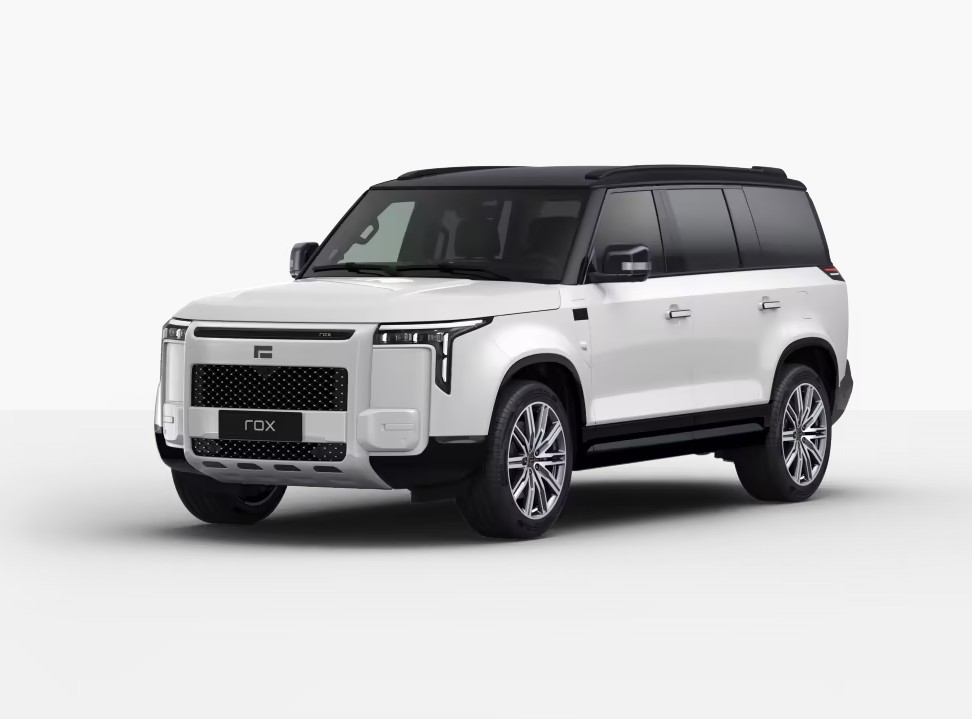
Full-Size EREV SUV
2026 Rox Adamas EREV 215km 6-Seat Executive Edition
USD 53,000 FOB Guangzhou
View Details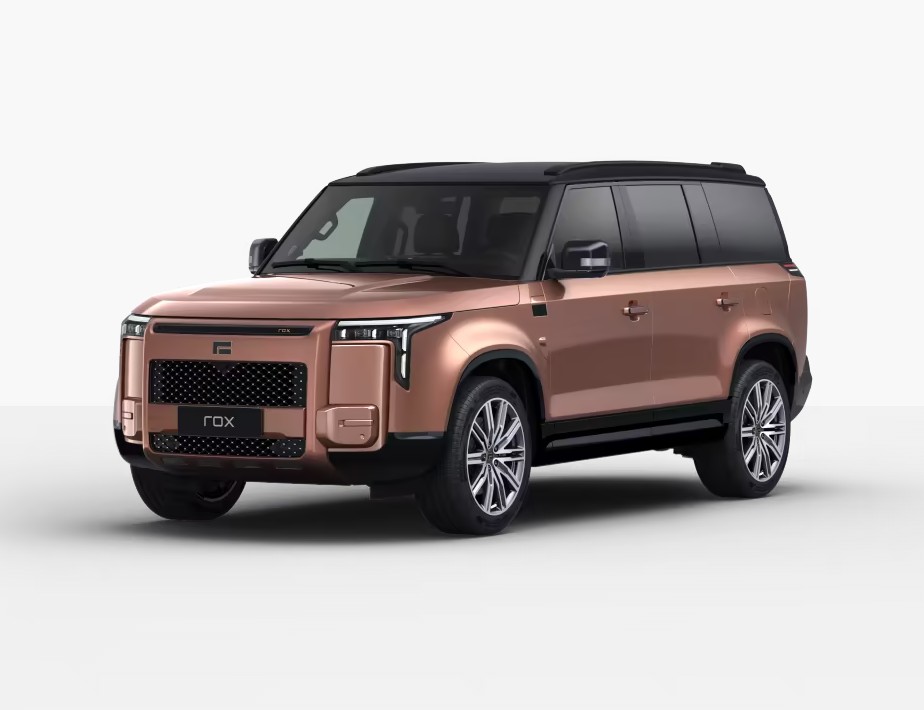
Full-Size EREV SUV
2026 Rox Adamas EREV 215km 7-Seat All-Terrain Edition
USD 51,500 FOB Guangzhou
View Details