Why Latin America Is the Next Big NEV Frontier
While the Middle East and Southeast Asia have dominated the narrative around Chinese New Energy Vehicle (NEV) exports in recent years, a quieter but equally significant shift is underway across Latin America. In 2025, battery electric vehicle (BEV) and plug-in hybrid electric vehicle (PHEV) registrations in Latin America reached approximately 320,000 units — a 180% increase from 2024, according to BloombergNEF's Latin America EV Outlook 2026. The region's 650 million inhabitants, rapidly growing middle class, and rising urban air quality concerns make it one of the most strategically important frontiers for Chinese EV manufacturers.
China exported roughly 1.73 million vehicles to Latin America in 2025, making it the second-largest overseas market for Chinese automakers after Southeast Asia. Within this figure, NEVs represented approximately 18% — but this share is projected to reach 35–40% by 2028 as charging infrastructure expands and government incentive programs mature.
For international importers and distributors in the region, this transition represents both a commercial opportunity and a logistical challenge. Understanding which markets are open, which policies are favorable, and how to navigate homologation requirements can mean the difference between a profitable entry and a costly misstep.
This guide covers Brazil, Mexico and Chile — the three largest economies and EV markets in Latin America — with practical analysis for wholesale buyers looking to source Chinese NEVs from Guangzhou Nansha Port.
Market Overview: Brazil, Mexico & Chile at a Glance
Before diving into country-specific dynamics, here is a high-level comparison of the three markets for Chinese NEV importers:
| Metric | Brazil | Mexico | Chile |
|---|---|---|---|
| Population | 215 million | 130 million | 19.5 million |
| 2025 EV Market Size | ~180,000 units | ~90,000 units | ~50,000 units |
| Import Duty on EVs | 14% (IBC) + 35% IPI surtax suspended until 2026 | 15% MFN duty | 0% under FTA (China-Chile) |
| Local Assembly Incentive | ROTEM program (10–35% IPI reduction) | Maquiladora IMMEX program | Chile LeyEM — up to USD 2,000 subsidy per EV |
| Charging Stations (2025) | ~12,000 public chargers | ~6,500 public chargers | ~4,200 public chargers |
| Primary Chinese Brands Present | BYD, Chery, JAC, Cao Cao | BYD, Chery, MG, JAC | BYD, Chery, MG |
| Key Market Challenge | High logistics costs, regulatory complexity | USMCA rules, US competition | Small market size, high logistics cost from China |
Source: BloombergNEF Latin America EV Outlook 2026, IEA Global EV Data Explorer 2026, individual country customs agencies.
Brazil — The Sleeping Giant Wakes
Brazil is unambiguously the most important NEV market in Latin America — and BYD's moves there have confirmed what global automotive analysts have suspected: the Brazilian market will be decisive for Chinese EV penetration in the Western Hemisphere.
In 2025, BYD became the best-selling EV brand in Brazil, surpassing Tesla in unit sales for the first time. The BYD Seal (Dolphin in some markets) and the BYD Song Plus DM-i have been particularly well-received, competing directly with Chevrolet Bolt and Volkswagen ID.3 at significantly lower price points. BYD has also committed USD 700 million to build an assembly plant in Bahia state, expected to begin production in 2027 — a move that will substantially reduce landed costs and improve after-sales competitiveness.
The Brazilian government's ROTEM (Regime de Tributação) program offers major incentives for local EV assembly. Under ROTEM, vehicles assembled in Brazil receive an IPI (federal excise tax) reduction of 10–35%, making the price gap between imported CBU (completely built-up) and locally assembled vehicles significant enough to reshape competitive dynamics.
For international importers sourcing from China for the Brazilian market, key considerations include:
- Import duty structure: Brazil applies a 14% import duty (II) on vehicles plus a 35% IPI surtax on vehicles with engines exceeding 2,000cc. However, the IPI surtax for hybrid and electric vehicles has been suspended through December 31, 2026 — this window creates a compelling import opportunity for CBU NEVs before the policy potentially expires.
- INMETRO certification: All vehicles sold in Brazil must carry INMETRO (Instituto Nacional de Metrologia) certification. This is a lengthy process — typically 6–12 months — requiring physical crash testing, emissions testing, and local content documentation. Importers should factor this lead time into their inventory planning.
- IBS tax reform: Brazil's newIBS (Imposto sobre Bens e Serviços) tax reform, effective January 2026, consolidates ICMS and PIS/COFINS into a unified VAT-style tax. The reform affects landed cost calculations and tax recovery on imported vehicles. Working with a local tax advisor is strongly recommended before finalizing import volumes.
- BYD factory effect: Once BYD's Bahia plant is operational (target: 2027), Chinese components and semi-knocked-down (SKD) kits exported to Brazil for local assembly will likely become more competitive than CBU imports. Importers should plan a transition strategy for 2027–2028.
Mexico — A Complex Market with Untapped Potential
Mexico presents a paradox for Chinese EV importers: it has the region's second-largest vehicle market (1.4 million units annually), significant manufacturing infrastructure, and growing EV awareness — but also strong US automotive industry influence and regulatory frameworks that can complicate Chinese EV entry.
Mexico applies a 15% MFN import duty on passenger vehicles under the LIGIE tariff schedule, with no special EV incentives for imported CBU units. This is actually more favorable than Brazil's effective rate for EVs — but the real complexity lies in USMCA (United States-Mexico-Canada Agreement) compliance. Vehicles assembled in China do not qualify for USMCA preferential treatment, which means they cannot benefit from duty-free trade within the bloc and may face reputational challenges when competing against US-manufactured vehicles.
Despite these challenges, Chinese brands are making inroads. BYD launched the Dolphin and Seal in Mexico in 2025 at prices 20–30% below comparable US-market EVs. Chery has established a growing dealer network focused on the Mexican middle class, marketing the Tiggo 7 Pro PHEV as an affordable entry point. MG, now owned by SAIC, leverages its existing brand recognition in Mexico — the MG ZS EV has been available since 2023 and has established a service network.
Key considerations for Mexican importers:
- USMCA does not apply to Chinese vehicles — this creates a structural disadvantage against US/Japanese/Korean brands for government and corporate fleet procurement, which often mandate USMCA compliance.
- NOM certification: All vehicles must comply with Mexican Official Standards (NOM), including NOM-SEMARNAT-1999 for emissions and NOM-194-SCFI-2015 for general vehicle safety. The process typically takes 4–8 months with a nominated local representative.
- Maquiladora opportunity: Importers with operations in the IMMEX (Maquiladora) program can potentially import Chinese EV components or semi-KD kits for local assembly, reducing the landed cost and potentially qualifying for IMMEX duty deferral benefits. However, EV-specific maquiladora programs remain nascent.
- Market positioning: The most viable segment for Chinese EVs in Mexico is the value-conscious private buyer and ride-hailing/transport sector. The USD 20,000–35,000 price range is the sweet spot where Chinese BEVs compete effectively against used US vehicles.
Chile — The Lithium Gateway
Chile is geographically the most remote of the three markets — and also the most symbolically significant for the global EV supply chain. Chile holds 36% of the world's known lithium reserves, predominantly in the Atacama salt flats, making it the strategic heart of global lithium production. Chinese battery manufacturers — including CATL, BYD, and CALB — have invested heavily in Chilean lithium projects, creating a natural political and commercial alignment between China and Chile in the EV value chain.
In 2025, Chile's EV market grew 140% year-on-year, driven by government subsidies, expanding charging infrastructure, and growing consumer awareness. The Chilean government's LeyEM (Ley de Eficiencia Energética) provides direct purchase subsidies of up to USD 2,000 for battery electric vehicles, making Chinese EVs in the USD 25,000–40,000 range particularly competitive after subsidy.
Most importantly, under the China-Chile Free Trade Agreement (in force since 2006 and expanded in 2023), Chinese passenger vehicles enter Chile at 0% import duty — the most favorable tariff treatment of any major Latin American market for Chinese EVs.
Key considerations for Chilean importers:
- Zero import duty under FTA: This is a decisive advantage. Chinese EVs enter Chile duty-free, while Japanese, Korean, and US vehicles face 6–6.5% import duty. The cost saving can amount to USD 1,500–3,000 per vehicle, significantly improving Chinese EV competitiveness in Chile vs. other import origins.
- SEC certification: Chile's superintendency of electricity and fuels (SEC) requires vehicle type approval for EVs. The process is broadly aligned with UN ECE regulations, making it more accessible for Chinese manufacturers that already hold ECE certifications for European export.
- Charging infrastructure investment: Chile's government has committed to installing 10,000 public charging points by 2027 under the Plan de Electromovilidad. This infrastructure buildout is removing one of the biggest consumer barriers to EV adoption.
- Small market size: Chile's population of 19.5 million limits absolute volume potential. However, the combination of zero duty, high consumer purchasing power (GDP per capita: USD 27,000), and strong environmental awareness makes Chile an ideal launch market for new Chinese EV brands testing their product-market fit in Latin America.
Key Players: BYD, Chery & Emerging Chinese Brands in the Region
Understanding how Chinese brands are performing in Latin America helps importers calibrate competitive dynamics and identify market gaps:
BYD is the undisputed leader. With the Seal, Dolphin, Han, and Song Plus DM-i across Brazil, Mexico, and Chile, BYD has established the most extensive dealer and service network of any Chinese brand in the region. Its vertical integration — from battery cells to complete vehicles — gives it a cost advantage that rivals struggle to match. BYD's Brazil factory investment signals a long-term commitment that increases buyer confidence in its brand longevity in the market.
Chery has positioned itself as the volume play — more affordable models (Tiggo 4, Tiggo 7 Pro, Tiggo 8) competing in the USD 18,000–32,000 range. Chery's 3-year factory warranty and expanding parts inventory in the region have been key trust-builders in markets where after-sales support is a primary buyer concern.
MG (SAIC) leverages strong brand heritage in Mexico and Chile, where older buyers remember MG roadsters from the 1960s–70s. The brand's European design language and competitive pricing of the MG ZS EV and MG 4 Electric make it relevant for buyers wanting a more familiar-looking vehicle.
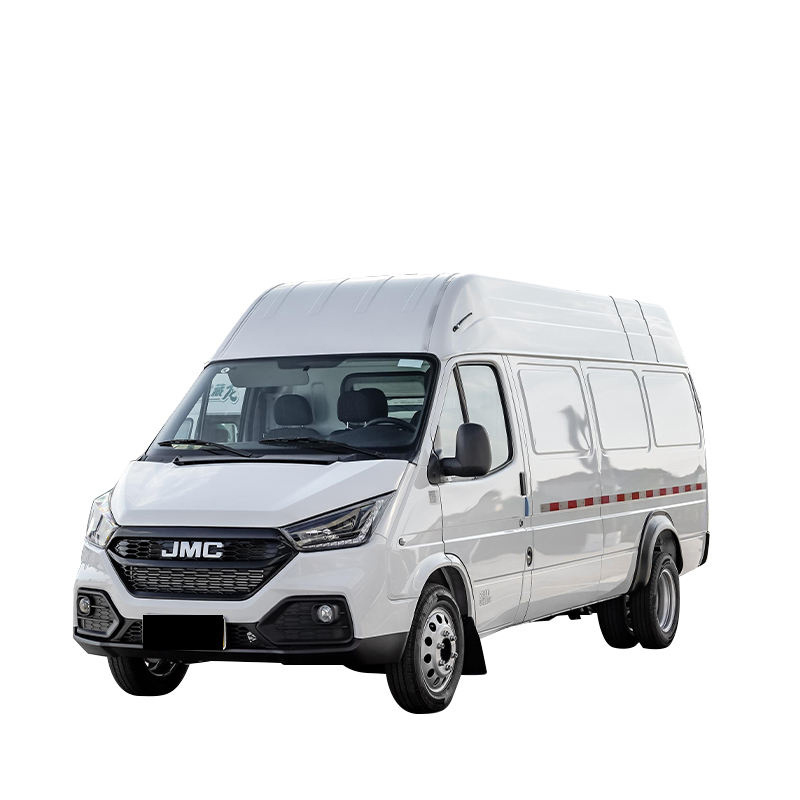
JAC Motors has a commercial vehicle presence in Brazil through its partnership with Cao Cao (Geely subsidiary), primarily serving the ride-hailing and electric bus segments.
For importers, the competitive landscape creates both opportunity and challenge: demand for Chinese EVs is real and growing, but the presence of established players like BYD means new entrants or distributors must offer differentiated value — whether through niche vehicle segments (commercial EVs, specific payload configurations) or superior after-sales service networks.
Charging Infrastructure: The Bottleneck That Defines the Market
No discussion of NEV market entry in Latin America is complete without addressing the charging infrastructure gap — which remains the most significant consumer barrier to EV adoption across the region.
In 2025, the combined public charging infrastructure across Brazil, Mexico, and Chile reached approximately 22,700 charging points. For context, this is roughly equivalent to the Netherlands alone — a country with 18 million inhabitants. The gap is structural:
- DC fast charging is scarce: Approximately 15–20% of public chargers in Latin America are DC fast chargers (50kW+). In Brazil, many existing chargers are concentrated in São Paulo and Rio de Janeiro, leaving vast regions underserved.
- Home charging dominates: In all three markets, the majority of EV charging currently happens at home via standard 220V outlets. This means EVs are most viable for buyers with dedicated parking — typically middle-to-upper income homeowners. This limits market penetration among urban renters and lower-income buyers.
- Grid reliability issues: Brazil and Mexico both experience significant regional variation in grid quality. Power interruptions and voltage fluctuations can affect both charger reliability and vehicle electronics. Chinese EVs with robust battery management systems (BMS) generally perform better in these conditions than some competitors.
- Government investment is accelerating: Brazil's Lei 14.300 (2022) mandated new highway rest stops to include EV charging infrastructure. Mexico's ENERGE 2024 plan targets 30,000 public charging points by 2030. Chile's electromovilidad plan includes both public and residential charging subsidies. These investments will progressively reduce the infrastructure barrier through 2026–2028.
For importers, this infrastructure reality suggests a practical strategy: focus on markets and customer segments where home charging is viable (suburban homeowners, gated community residents, rural properties with private parking) rather than targeting urban apartment dwellers who depend on public infrastructure.
Homologation, Certification & Import Regulations
Each country has its own regulatory framework. Here is a practical overview for importers:
| Country | Primary Certification | Key Requirements | Typical Timeline | Estimated Cost |
|---|---|---|---|---|
| Brazil | INMETRO / CONTRAN | Crash testing (ABNT NBR), emissions, local content, IBS tax compliance | 8–14 months | USD 80,000–180,000 per model |
| Mexico | NOM (NOM-SEMARNAT, NOM-194) | Emissions certification, safety labeling, USMCA rules if applicable | 4–8 months | USD 40,000–90,000 per model |
| Chile | SEC / Ministry of Transport | Type approval aligned with UN ECE, battery safety standards, homologation certificate | 3–6 months | USD 20,000–50,000 per model |
Source: Country-specific government agency requirements, IEA EV Policy Guide 2026.
For importers, the most practical entry strategy is to work with a local import representative or homologation agent who has existing relationships with regulatory bodies. In Brazil, this is particularly important given the complexity of the INMETRO process. In Chile, homologation is more streamlined and well-suited for importers testing the market with 1–3 vehicle models before committing to full-scale volume import.
Procurement Roadmap for Latin American Importers
For distributors and wholesale buyers looking to import Chinese NEVs for the Brazilian, Mexican, or Chilean markets, here is a practical step-by-step roadmap:
Step 1 — Market Selection & Model Fit
Identify which market(s) to target and select models with strong alignment to local consumer preferences and regulatory requirements. Brazil's preference for larger SUVs (Song Plus, Tiggo 8) differs from Chile's demand for compact, efficient vehicles (Dolphin, MG 4).
Step 2 — Certification Pre-Check
Before placing any order, engage a local homologation agent to assess whether your target model(s) can be certified within your market window. Running this analysis in parallel with supplier selection prevents costly mistakes.
Step 3 — Supplier Engagement & Pricing
Contact Globalucar Vehicle at ucars@global-ucars.com for FOB Nansha Port pricing on BYD, Chery, MG, and other Chinese NEV models. Request pricing for both LHD (left-hand drive) and RHD configurations — Mexico uses LHD, Chile and Brazil use LHD, so all three markets share the same configuration.
Step 4 — Payment Terms & Trade Finance
Standard payment for vehicle exports from China is T/T 30% deposit, 70% against Bill of Lading copy. For container orders (1–5 vehicles), Less-than-Container Load (LCL) shipping via Nansha Port is viable. For orders of 10+ vehicles, Full Container Load (FCL) 20ft or 40ft containers offer better economics.
Step 5 — Shipping & Logistics
Transit times from Nansha Port to key Latin American ports:
| Destination Port | Transit Time | Recommended Container |
|---|---|---|
| Santos, Brazil | 35–40 days | 40ft High Cube (HC) |
| Manzanillo, Mexico | 28–32 days | 40ft HC |
| Valparaíso, Chile | 32–38 days | 40ft HC |
Step 6 — After-Sales Planning
The most common reason Chinese EV brands struggle in new markets is inadequate after-sales support. Before importing, secure agreements with local service centers, stock critical spare parts (brake pads, 12V batteries, suspension components), and establish a warranty claim process with the manufacturer.
Latin America's EV revolution is still in its early chapters — but the trajectory is clear. Importers who establish themselves now, while market entry barriers are still navigable and competition is not yet saturated, will hold structural advantages over late entrants.
Next steps:
🚗 Browse BYD, Chery & MG NEV export catalogue →
📧 Contact Globalucar Vehicle for FOB pricing on Latin America shipments →
💬 WhatsApp Globalucar for Latin America logistics & homologation guidance →
Verify Part Numbers in Our OE Library
Every part covered in this guide has a matching OE number in our reference library — grouped by system with cross-references, so you can source the exact fit for Hyundai, Kia, GM Korea and more.
Related Articles
Related Products
From our Vehicle Export catalog — new & used cars ready for international delivery
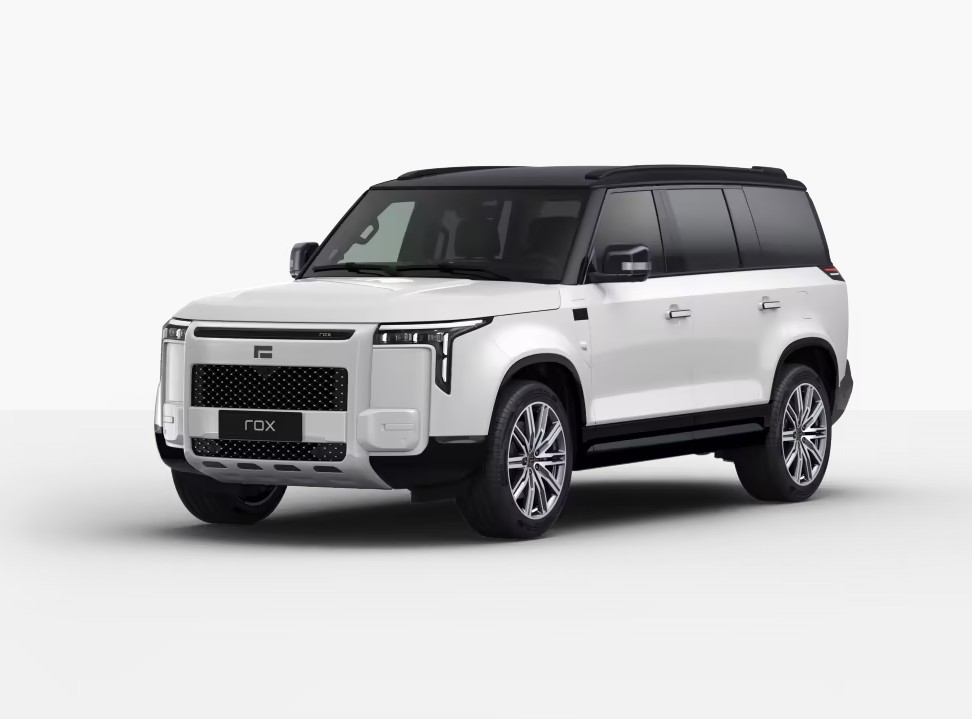
Full-Size EREV SUV
2026 Rox Adamas EREV 215km 6-Seat Executive Edition
USD 53,000 FOB Guangzhou
View Details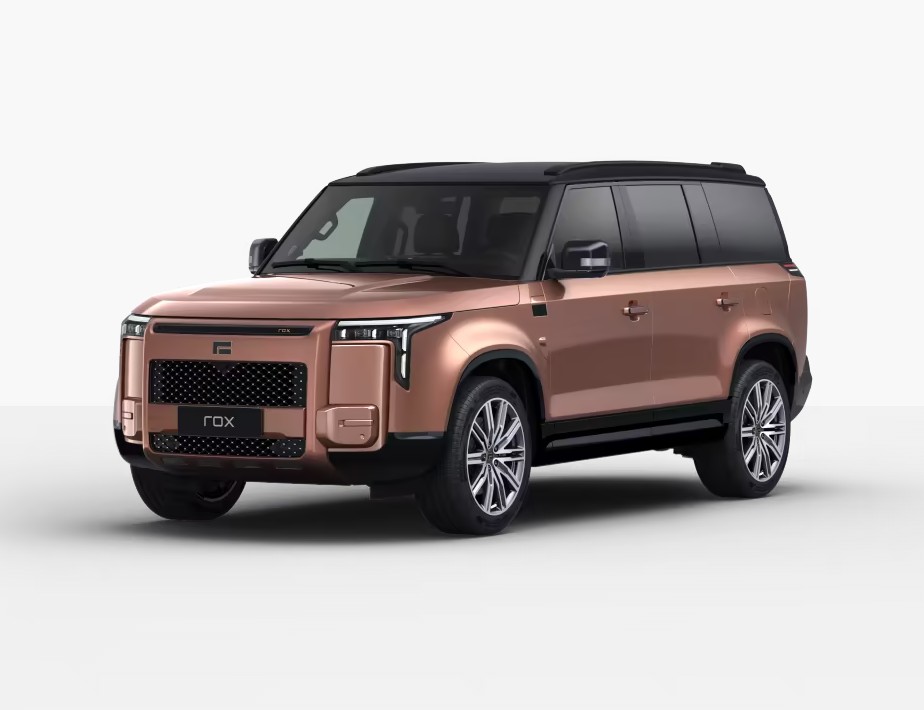
Full-Size EREV SUV
2026 Rox Adamas EREV 215km 7-Seat All-Terrain Edition
USD 51,500 FOB Guangzhou
View Details