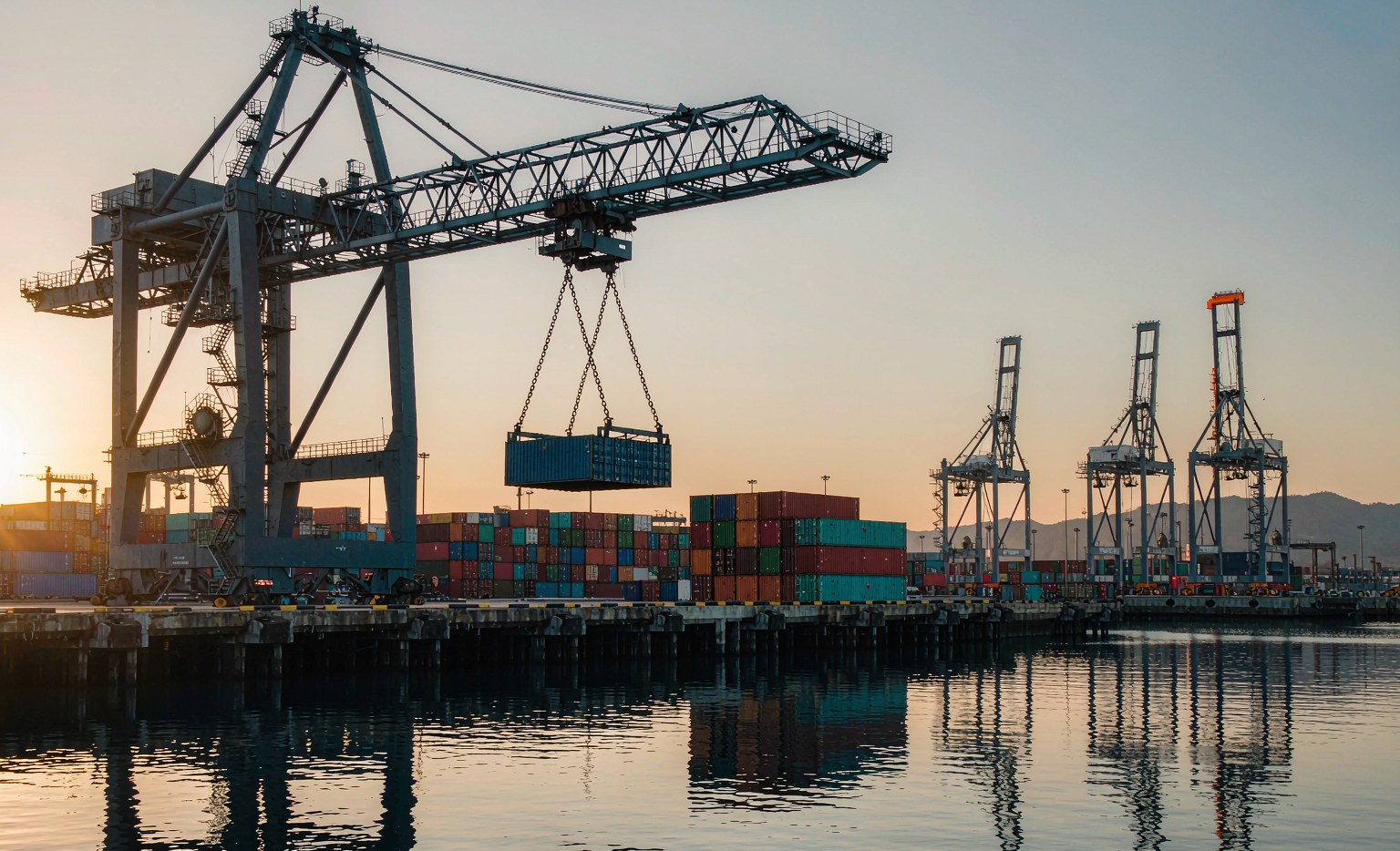
A quotation is a promise about a price. A container is a promise about a date, a weight, a document set and a bank transfer, and the distance between the two is where most first orders die. This is the operational sequence between a signed quotation at Pazhou and a loaded container at Nansha: what the quotation must contain, who books what under FOB, which cut-off dates actually sink shipments, and how to consolidate three suppliers into one bill of lading without losing traceability.
Why a Good Quotation Produces a Bad Shipment
Most quotations collected at the fair are built to win a comparison, not to survive a booking. They quote a unit price, a MOQ and a lead time, and stop there. Then the order moves into a different world: carton dimensions, pallet counts, gross weight, HS classification, export clearance, booking cut-offs and a payment schedule tied to a document that does not exist yet.
Each of those is a place where the price quietly changes. A supplier quoting USD 4.20 per filter can deliver a container at USD 5.10 landed at the port because the cartons were sized for a domestic truck, the pallets were not fumigated, and the goods were declared under a code that triggered an inspection. None of that is dishonesty. It is the ordinary result of a quotation that was never designed to be shipped.
What a Shippable FOB Quotation Contains
Ask every shortlisted supplier to complete the same template before you compare anything. The template is the comparison; a price list is not.
| Field | Why it decides the shipment | What "good" looks like |
|---|---|---|
| Incoterm and named port | Fixes who pays inland trucking, export clearance and origin charges | "FOB Nansha, Incoterms 2020" — a port, not a country |
| Unit price at stated quantity | Reveals the volume break before you commit | Price at MOQ, at 1× container and at 2× container |
| Carton dimensions and gross weight | Drives CBM, container fit and freight per piece | Length × width × height in cm, kg per carton, pieces per carton |
| Palletisation | Changes usable CBM by 8–15% and may require ISPM 15 treatment | Stated pallet footprint, stackability, fumigation status |
| HS code (6-digit minimum) | Sets duty, inspection risk and whether a preference certificate applies | Supplier's proposed code, to be confirmed by your broker |
| Lead time and production start | Distinguishes stock from made-to-order | Days from deposit, plus the deposit's clearing date |
| Validity | Protects you when steel, rubber or freight moves | 15–30 days, in writing |
| Payment schedule | Determines your cash exposure before the B/L exists | 30% deposit, 70% against B/L copy or after inspection |
Two of these fields do the most work and are the most often skipped: carton dimensions and the HS code. The first decides whether your cargo fits the container you booked. The second decides whether it clears at the duty rate you modelled.
From Approved Sample to Purchase Order
The purchase order is not a formality; it is the document that converts a conversation into a specification. Write it after the sample is approved, not before.

- Approve the sample in writing. Photograph it, label it with the reference and the date, and state in the PO that this sample is the inspection reference.
- Freeze the specification. Material grade, surface finish, marking, packaging and label artwork all belong in an annex. "As discussed" is not a specification.
- Fix the quantity per reference. A container is built from line items; the total is a result, not an instruction.
- Name the inspection point. Pre-production, during production and pre-shipment are different checkpoints with different costs. Our inspection guide sets out what each one can catch.
- State the documents you expect. Invoice, packing list, B/L, certificate of origin, and material certificates for friction, suspension and load-bearing parts.
- Agree the delay clause before the deposit. A realistic remedy for late delivery is easier to agree at order stage than after the vessel has sailed without your cargo.
Who Does What Under FOB
Under FOB the supplier's job ends when the cargo is on board at the named port. Yours starts there, and the handover is where responsibility quietly gets lost.
| Task | Supplier | Buyer | Common failure |
|---|---|---|---|
| Production and packing | Yes | Specifies | Cartons built for domestic pallets, wasting CBM |
| Inland trucking to port | Yes | — | Booked too late for the gate-in window |
| Export customs declaration | Yes | Provides classification input | HS code invented at the last minute |
| Ocean booking and freight | — | Yes | Buyer books after production, misses the sailing |
| Marine insurance | — | Yes | Assumed the forwarder's liability covers cargo |
| Origin charges and THC | Usually included in FOB price | Confirms what is included | Duplicate origin charges billed at destination |
| Import clearance and duty | — | Yes | Documents arrive after the vessel |
Book the forwarder before you sign, not after production finishes. A booking made in week one gives you a sailing date to write into the contract; a booking made in week six gives you whatever space is left, at whatever rate is left.
The Three Dates That Sink Shipments
Every booking carries several cut-offs and they are not interchangeable. Missing the wrong one costs a week; missing the right one costs the container.
| Cut-off | Typical timing | What happens if you miss it |
|---|---|---|
| Booking / space confirmation | 2–4 weeks before ETD in peak season | No space; cargo rolls to the next vessel |
| SI (shipping instruction) cut-off | 3–7 days before ETD | B/L details wrong or late; amendment fees and customs mismatch |
| VGM (verified gross mass) | Typically 24 hours before loading | Container not loaded, regardless of paperwork |
| Gate-in / port cut-off | 2–4 days before ETD | Truck turned away, storage and rebooking costs |
| Document cut-off for the B/L | 1–3 days after sailing | Original B/L delayed, buyer cannot clear on arrival |
Timings vary by carrier, port and season, and peak-season congestion in the Pearl River Delta can compress all of them. Treat the table as a planning frame and the carrier's booking confirmation as the authority. The practical rule: work backwards from the sailing date, and put every cut-off into the same calendar as the production schedule.
LCL or FCL: The Arithmetic Buyers Skip
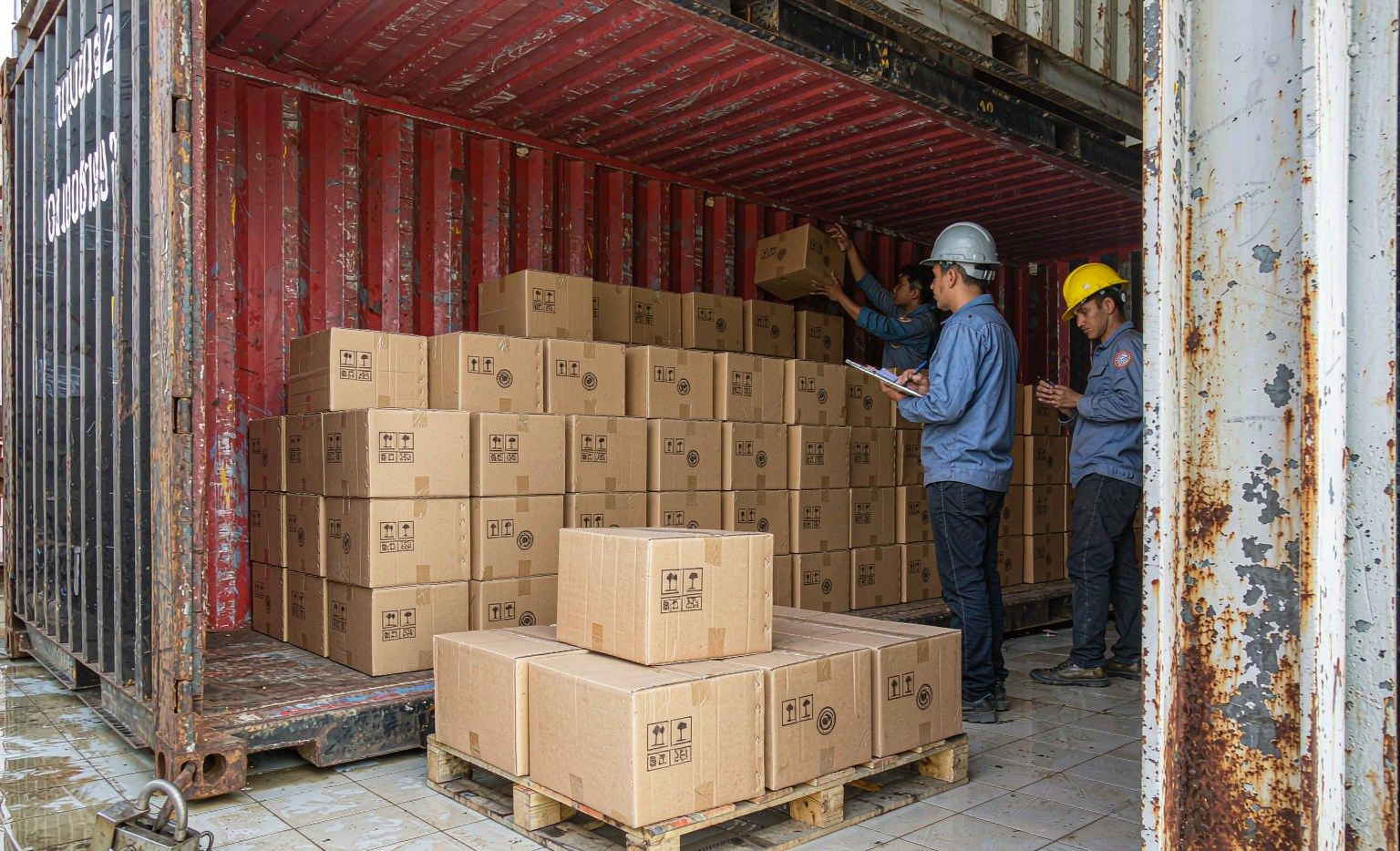
Auto parts are dense, which changes the usual advice. A pallet of brake rotors is heavy and small; a pallet of plastic trim is light and bulky. The decision is not "small goes LCL" — it is which constraint binds first, weight or volume.
| Shipment shape | Practical option | What drives the cost | Watch out for |
|---|---|---|---|
| Under ~2 CBM, urgent | Air or express | Chargeable weight | Dense metal parts price badly by air |
| 2–12 CBM | LCL | Per CBM, with a minimum | Destination charges often exceed freight |
| 12–24 CBM | LCL or a 20ft | Break-even depends on destination fees | Co-loading damage on heavy cartons |
| 24–28 CBM | 20ft FCL | Flat container rate | Weight limit before volume limit |
| 55–68 CBM | 40ft HQ | Flat rate, best cost per CBM | Payload limit on dense parts |
Rough usable capacity is about 28 CBM for a 20ft and 65–68 CBM for a 40ft high cube, but a container of brake discs will hit the road-weight limit long before it is full. Ask the forwarder for the payload limit on your lane, then calculate the load by weight as well as by volume. LCL freight is commonly quoted per CBM with a minimum charge, and the destination side — documentation, terminal handling, delivery order — frequently costs more than the ocean leg on small shipments.
Consolidating Three Suppliers Into One Container
The most common shape of a first auto parts order is three or four suppliers, none of whom can fill a container alone. Consolidation solves that, but only if traceability survives it.
- Use one forwarder for the whole shipment. Two forwarders means two sets of origin charges and an argument about who booked what.
- Keep separate packing lists per supplier. One master B/L can carry several house bills, but each supplier's cartons must be identifiable on arrival.
- Mark cartons by supplier code and reference. A colour-coded label per supplier is the simplest system that survives a warehouse transfer.
- Inspect at the consolidation warehouse, not only at each factory. Damage happens in transit between plants; a second count at the warehouse catches it while the supplier is still responsible.
- Check the export declaration split. Multiple suppliers means multiple exporters of record; confirm who declares what, and that the totals match the commercial invoice.
Consolidation also changes the inspection plan. If three factories finish in three different weeks, the pre-shipment inspection has to happen at the warehouse against the combined packing list, otherwise the last supplier's cartons never get looked at.
Payment Against Documents
The payment schedule and the document set have to be designed together. A 70% balance "against the B/L" is only meaningful if the B/L actually proves what you paid for.
- 30% deposit / 70% against B/L copy. Fits a repeat supplier with a delivery record. The weakness: you pay before you have seen the loaded cargo.
- 30% deposit / 70% after pre-shipment inspection. Fits a first container from a new supplier. The supplier holds the cargo until the balance clears, so build a few days into the schedule.
- L/C at sight. Fits orders above roughly USD 50,000 or an unfamiliar counterparty. Strict document compliance is the price: one mismatched description can delay payment for weeks.
- Balance against telex release. Only works when you control the forwarder, which under FOB you do — provided the B/L is issued to your account.
Under FOB you nominate the forwarder, which gives you one useful lever: the B/L is issued to your account, so the supplier cannot release cargo to a third party. Use it. Confirm in writing that the B/L will be issued as "freight collect", that the shipper is the supplier, and that the consignee is your company exactly as it appears on your import licence.
The Five Mistakes That Kill a Good Quotation
- Booking after production. The order is ready and the next sailing is in three weeks. Book in week one.
- One HS code for a mixed container. Brake pads, filters and bearings do not share a classification. A blanket code invites inspection and duty reassessment.
- Cartons measured in the supplier's units. Centimetres versus inches, pieces per carton versus per inner box — a single unit error changes the CBM by an order of magnitude.
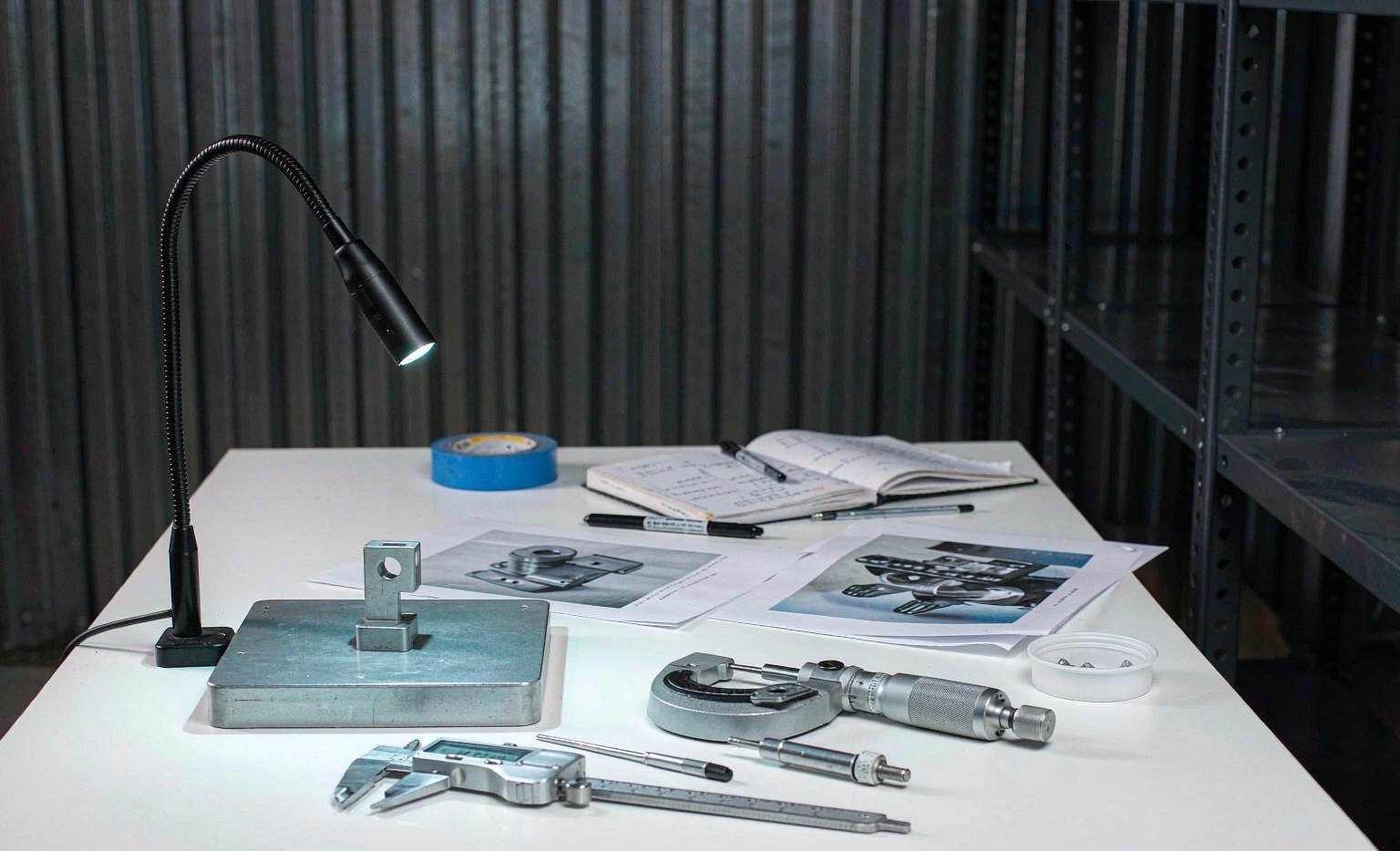
- No approved sample record. Without it, the inspection has no benchmark, and every argument about "within tolerance" becomes an opinion.
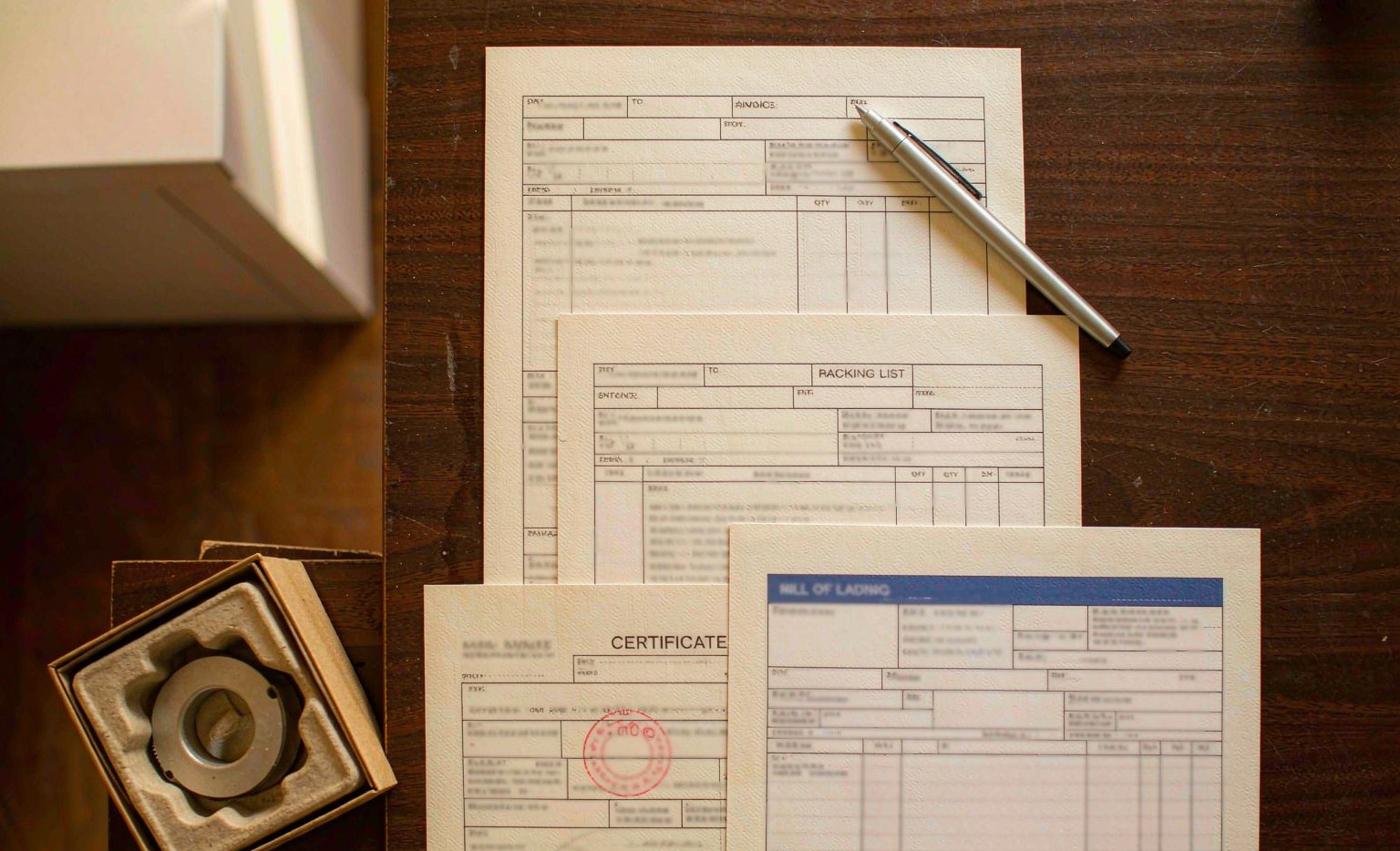
- Documents that disagree. Invoice, packing list and B/L must match on quantity, description and weight. Customs systems compare them automatically.
Each of these costs less to prevent than to fix. The prevention is a single page: the quotation template, the approved sample record and the cut-off calendar, kept together from the day the order is placed.
A Workable Timeline for a First Container
Auto parts orders from Guangdong to most destinations run six to ten weeks from deposit to arrival, with the ocean leg taking the largest share. The sequence below is the one that leaves room for the failures that always happen.
| Week | Action | Owner |
|---|---|---|
| 0 | Approve sample, sign PO, pay deposit, book forwarder | Buyer |
| 1 | Confirm booking and sailing date; lock cut-offs into the calendar | Buyer / forwarder |
| 2–4 | Production; mid-production check on the first batch | Supplier / QC |
| 4–5 | Pre-shipment inspection; correct and re-check if needed | QC |
| 5 | Submit SI, confirm VGM, truck to port by gate-in | Supplier / forwarder |
| 5–6 | Export clearance, loading, B/L issued | Forwarder |
| 6–9 | Ocean transit; documents couriered or released electronically | Forwarder |
| 9–10 | Import clearance, duty, delivery | Buyer / broker |
The buffer is deliberate. A first container that runs to a perfect schedule is the exception; a first container that recovers from one slipped cut-off is normal. Plan for one slip and the order still arrives when you promised.
Frequently Asked Questions
Is FOB always better than CIF for auto parts?
For regular shipments with your own forwarder, FOB usually gives better cost visibility and control. CIF is simpler for a first trial order, but suppliers commonly add a margin to freight, and you inherit their carrier choice and insurance terms.
Can the supplier book the container and still quote FOB?
That is CIF or CFR in practice, whatever the quotation says. Under true FOB you nominate the carrier. If the supplier insists on booking, ask for the freight cost broken out separately so you can compare it with your own rate.
How much does a 40ft container of auto parts hold?
About 65–68 CBM of usable volume, but dense parts such as rotors, drums and suspension components hit the payload limit first. Calculate by weight as well as by volume before you commit to a container size.
What documents do I need for import clearance?
Commercial invoice, packing list, bill of lading, and a certificate of origin if you are claiming a preferential rate. Some destinations add product certificates for friction or safety parts — check before the vessel sails, not after.
Who pays for damage between factory and port?
Under FOB, risk passes when the cargo is on board. Damage before that point sits with the supplier, which is exactly why the loading inspection and the container seal photograph matter: they establish the condition at handover.
How far in advance should I book during peak season?
Four weeks is a working minimum for space on a specific sailing, and longer before major holidays. Booking late does not usually cost more per container; it costs a missed sailing, which is more expensive than the rate difference.
Three documents, sent together, remove most of the ambiguity: the completed quotation template, the approved sample record with photographs, and the cut-off calendar with the sailing date you are targeting. Ask for written confirmation of each in the order acknowledgement.
If a supplier cannot complete the template, that is information. It usually means the shipment has never been planned from the port backwards, and the price you were quoted at the fair was built for a conversation rather than a container. Better to learn that in week one than in week six, when the space is gone and the customer is waiting.
Related Articles


Related Products
From our export catalog — parts and vehicles ready for international delivery

Suspension Kit
Complete Suspension Rebuild Kit – Hyundai Tucson / Kia Sportage (Front Axle)
$65.00 - $130.00
View Details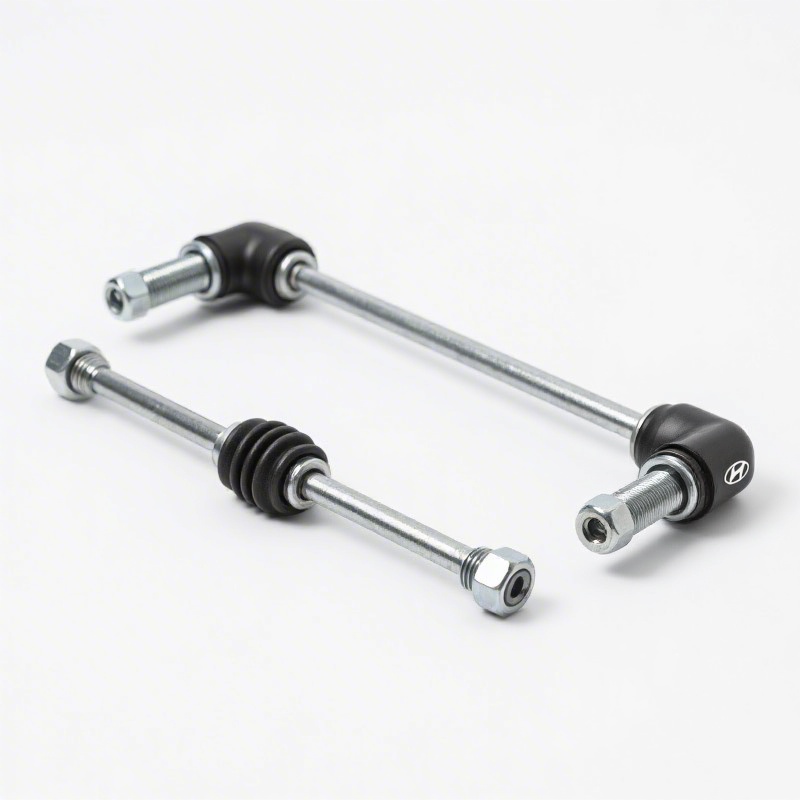
Tie Rod Kit
Steering Rack Inner & Outer Tie Rod Kit – Hyundai Tucson / Kia Sportage
$22.00 - $45.00
View Details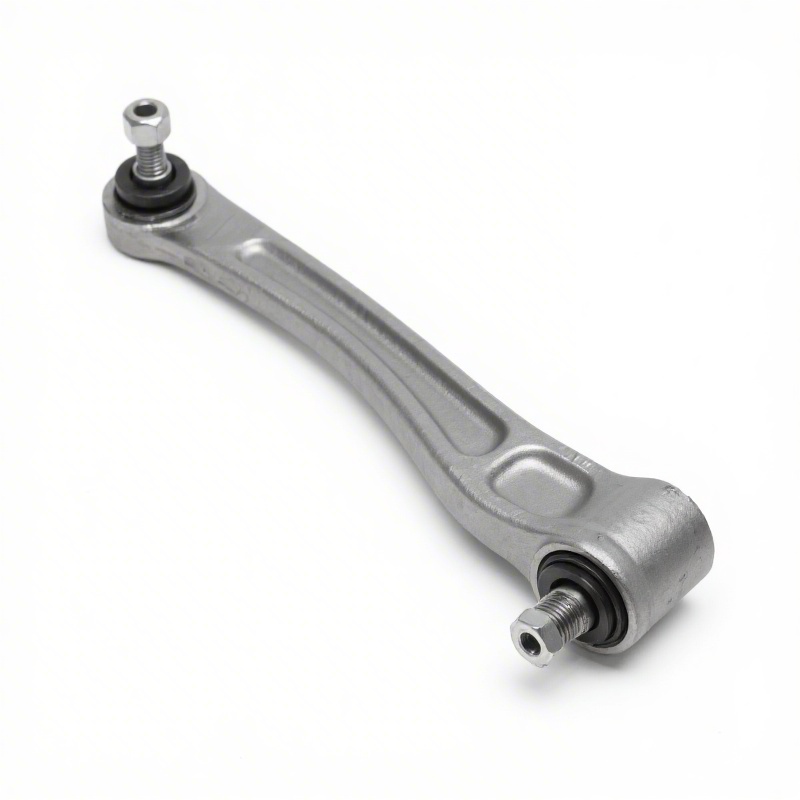
Control Arm
Front Lower Control Arm Complete Assembly – Hyundai Santa Fe / Kia Sorento (4WD)
$22.00 - $50.00
View Details