
Why Global Demand for Auto Filters Is Growing in 2026
Every internal combustion engine vehicle requires between 4 and 8 filters operating simultaneously — and in a global vehicle parc that exceeded 1.5 billion units in 2025, with annual new vehicle production of approximately 90 million units, the aftermarket demand for replacement auto filters is both massive and remarkably consistent regardless of economic cycles. Filters are consumable items that require replacement every 15,000 to 60,000 kilometres, making them one of the most predictable and recurring revenue streams in the automotive parts business.
For international buyers sourcing auto parts from China, filters represent an ideal import category for several compounding reasons. First, China dominates global filter manufacturing: the country produces an estimated 45% of the world's automotive filters, with major production clusters in Wenzhou (Zhejiang), Shijiazhuang (Hebei), Shanghai, and Wuhan (Hubei). Second, price competitiveness is exceptional: Chinese aftermarket oil filters can be sourced at USD 1.50–5.00 per unit FOB, compared to USD 8–18 for equivalent European or Japanese brands. Third, OEM compatibility is well-established: Chinese manufacturers have refined their ability to produce filters that match OEM specifications for virtually every vehicle platform globally, from Toyota Corolla to Ford Transit to Mercedes-Benz C-Class. Fourth, logistics are mature: filters are compact and lightweight — a 20-foot container holds 3,000–6,000 filter units depending on size, making freight costs per unit highly favourable even to distant markets.
According to Statista, the global automotive filters market was valued at approximately USD 21.2 billion in 2024 and is projected to grow at a CAGR of 4.3% through 2030. The Asia-Pacific region accounts for the largest share, but demand across Africa, Southeast Asia, Latin America, and the Middle East is growing fastest — precisely the markets where Chinese filter exporters have the strongest logistics networks and price advantages. Source: Statista Automotive Filters Market Report, 2025.
Kingmay Auto Parts, based in Guangzhou and operating from Nansha Port, has been supplying automotive filters to buyers in 50+ countries since 2012. Our filter catalog covers oil filters, air filters, fuel filters, and cabin filters across passenger car, light commercial, and heavy-duty diesel applications — with OEM-grade quality, competitive FOB pricing, and flexible MOQ starting at 10 pieces per SKU.
Browse our complete filter catalog — oil filters, air filters, fuel filters, cabin filters →
Four Filter Categories: Oil, Air, Fuel, Cabin
Understanding the four primary filter categories is essential for correct sourcing and inventory planning. Each serves a distinct function, operates in a different system, and has different replacement interval:
- Engine Oil Filter: Removes contaminants from engine oil as it circulates through the engine. Protects against wear between oil changes. Standard replacement interval: 10,000–15,000 km (or every oil change). Critical for engine longevity — a failed oil filter can cause engine seizure within minutes. Key filter media: cellulose, synthetic fibre, or blended media.
- Air Filter (Engine Air Filter): Cleans incoming air before it enters the combustion chamber. Prevents abrasive particles from entering the engine. Replacement interval: 15,000–30,000 km depending on driving conditions (dusty environments require more frequent replacement). Key consideration: panel filters vs. cylindrical filters for different intake designs.
- Fuel Filter: Removes water, debris, and contaminants from fuel before it reaches the injection system. Critical for diesel engines (water contamination is the primary cause of fuel system failures). Replacement interval: 30,000–60,000 km for petrol; 20,000–40,000 km for diesel. Types: spin-on (canister), inline, and in-tank (module-style).
- Cabin Air Filter: Cleans air entering the vehicle interior through the HVAC system. Protects passengers from dust, pollen, bacteria, and odours. Replacement interval: 20,000–30,000 km or annually. Increasingly standardized in modern vehicles; many older vehicles that lack cabin filters can be retrofitted with universal-fit units.
From a commercial perspective, oil filters and air filters account for approximately 65% of filter sales volume globally. Cabin filters are the fastest-growing segment due to rising consumer awareness of air quality and HVAC system health. Fuel filters, while lower in unit volume, carry higher average selling prices and attract strong margins in diesel-heavy markets across Africa and Southeast Asia.
Quality Grades: Budget, Aftermarket, OEM-Grade, Genuine
Chinese filter manufacturers produce across four quality tiers, each targeting different market segments. Understanding these tiers is critical for pricing strategy and market positioning:
| Quality Grade | Filter Media | Typical Price Range (FOB) | Application | Market Positioning |
|---|---|---|---|---|
| Budget / Economy | Standard cellulose, basic steel end caps | USD 1.50–3.50/unit | Low-income markets, fleet maintenance, older vehicle park | Competes with cheapest aftermarket; suitable for Africa, South Asia |
| Aftermarket Premium | Enhanced cellulose or synthetic blend media, improved filtration efficiency | USD 3.50–8.00/unit | General aftermarket, retail shops, workshops | Core volume tier; strong in Southeast Asia, Latin America, Middle East |
| OEM-Grade / OES Equivalent | High-efficiency synthetic media, OE-matched dimensions, premium steel/plastic housing | USD 8.00–18.00/unit | OE service parts, dealer networks, fleet operators | Targets markets where OE quality is expected; GCC, East Africa premium segment |
| Genuine / Original Equipment | OE-specified media, factory-sealed packaging, full warranty support | USD 15.00–35.00/unit | Authorized dealer networks, government fleet | Limited commercial opportunity for export traders; primarily for OEM supply contracts |
For most international buyers sourcing from China for distribution in developing markets, the Aftermarket Premium tier (USD 3.50–8.00 per filter) offers the best balance of quality, price, and margin. The budget tier is viable for markets with extreme price sensitivity, but margin compression is significant and warranty return rates may be higher.
Note on quality terminology: "OEM-grade" means the filter is manufactured to OEM specifications and will physically match and function like the genuine part. It does not carry the vehicle manufacturer's branding or warranty. Always request a sample order before committing to bulk quantities — filter fitment, filtration efficiency, and burst pressure should be verified before large-volume procurement.
OEM Part Number Matching: Cross-Reference Methods
Correct part number matching is the most technically demanding aspect of filter sourcing. A wrong filter — even one that physically fits — can cause engine damage or customer complaints. There are four reliable methods for verifying filter compatibility:
- OEM Part Number Lookup: Cross-reference the vehicle manufacturer's part number (e.g., Toyota 1560Q, Bosch 0451103365, Mann-Filter WK 842) against the supplier's catalog. Reputable Chinese suppliers maintain cross-reference databases covering major OEM part numbers. Always verify the cross-reference against two independent sources before ordering.
- Vehicle Application Table: The most buyer-friendly format. Suppliers list filters by vehicle make, model, year, and engine type rather than raw part number. This approach is preferred for markets where buyers may not have access to OEM parts catalogues.
- VIN-Based Matching: For precise matching on modern vehicles, the 17-character Vehicle Identification Number (VIN) encodes the specific vehicle variant and engine. Some Chinese suppliers and third-party platforms offer VIN-to-filter lookup tools. This is the most accurate method for newer vehicles.
- Physical Sample Comparison: For established inventory positions, requesting a physical sample of the target filter and comparing it against the local market reference is the most reliable method. Kingmay offers sample orders for all filter SKUs — typically 2–5 units per filter type at cost price.
Common cross-reference mistakes to avoid:
- Assuming the same filter fits all engine variants of a given model (e.g., the Toyota Corolla 1.6L and 1.8L use different oil filters)
- Confusing spin-on oil filters with cartridge (metal-free) oil filters — the replacement procedure differs and the wrong type will not physically install
- Using a diesel fuel filter on a petrol application — water separation requirements differ significantly
Major Vehicle Applications and Engine Types
Understanding which filters apply to which vehicles is fundamental for catalog planning. Below is a summary of high-demand filter applications across the most traded vehicle brands in export markets:
| Vehicle Brand | Popular Models in Export Markets | Engine Types | Filter Types | OEM Filter Part No. (Examples) |
|---|---|---|---|---|
| Toyota | Corolla, Camry, Hilux, Land Cruiser, Innova | 1.3L–5.7L petrol, 1.4D–3.0L diesel | Oil, Air, Fuel, Cabin | 1560Q, 17801Q200, 23300Q550, 87139Q5005 |
| Honda | Civic, Accord, CR-V, City | 1.5L–3.5L petrol, 1.6L–2.2L diesel | Oil, Air, Fuel, Cabin | 15400QGHMCB, 17220QGHHE00, 15700QGHHE00 |
| Nissan | Sentra, Altima, X-Trail, Patrol, Navarra | 1.6L–5.6L petrol, 2.3L–3.0L diesel | Oil, Air, Fuel, Cabin | 152089X00A, 165469VU0A, 164000VU0A |
| Hyundai / Kia | Accent, Elantra, Tucson, Sportage, Sorento | 1.4L–3.5L petrol, 1.6L–2.2L diesel | Oil, Air, Fuel, Cabin | 26300QGA00, 28113QGA00, 31112QGA00 |
| Volkswagen | Jetta, Polo, Golf, Passat, Tiguan | 1.2L–3.0L petrol, 1.6L–2.0L diesel | Oil, Air, Fuel, Cabin | 04E115561H, 1J0133847, 6Q0130847F |
| Ford | Fiesta, Focus, EcoSport, Everest, Ranger | 1.0L–3.5L petrol, 2.0L–3.2L diesel | Oil, Air, Fuel, Cabin | 1654629, 1790204, BK2Q-9155-AA |
| Geely / BYD / MG | Emgrand, Coolray, Seagull, Dolphin, MG5 | 1.0L–2.0L petrol, PHEV hybrid | Oil, Air, Fuel, Cabin | OEM-specific; Chinese-market part numbers |
| Heavy Duty / Diesel | Isuzu D-Max, Mitsubishi L200, Tata Xenon | 2.5L–3.5L diesel | Oil, Air, Fuel (high-pressure), Cabin | Various; often cartridge-type diesel filters |
For Chinese domestic-market vehicles (Geely, BYD, MG, Changan, Chery), the filter market in China is substantial but the export aftermarket for these brands is still developing. As the Chinese vehicle parc ages and enters the maintenance phase in export markets, demand for aftermarket filters for Chinese-brand vehicles will grow significantly — particularly in markets like Africa and Southeast Asia where these brands have gained market share rapidly since 2022.
FOB Price Benchmarks (Nansha Port, May 2026)
The following indicative FOB Nansha Port prices reflect current market conditions for Aftermarket Premium grade filters. Prices are per unit in USD for orders of 100+ units per SKU:
| Filter Category | Small Engine (up to 2.0L) | Medium Engine (2.0–3.0L) | Large/Diesel (3.0L+) | 20ft Container Load (units) |
|---|---|---|---|---|
| Oil Filter (spin-on) | USD 2.50–4.50 | USD 3.50–6.00 | USD 5.00–9.00 | 4,000–6,000 |
| Oil Filter (cartridge) | USD 3.00–5.50 | USD 4.00–7.00 | USD 6.00–11.00 | 3,500–5,000 |
| Engine Air Filter (panel) | USD 1.80–3.50 | USD 2.50–5.00 | USD 3.50–7.00 | 5,000–8,000 |
| Engine Air Filter (cylindrical) | USD 2.50–5.00 | USD 3.50–7.00 | USD 5.00–10.00 | 3,000–5,000 |
| Fuel Filter (spin-on diesel) | USD 3.50–6.00 | USD 5.00–9.00 | USD 7.00–14.00 | 3,000–5,000 |
| Fuel Filter (inline petrol) | USD 2.00–4.00 | USD 3.00–5.50 | USD 4.00–7.00 | 5,000–8,000 |
| Fuel Filter (in-tank module) | USD 5.00–12.00 | USD 7.00–15.00 | USD 10.00–20.00 | 2,000–4,000 |
| Cabin Filter (particle) | USD 1.50–3.00 | USD 2.00–4.00 | USD 3.00–5.00 | 6,000–10,000 |
| Cabin Filter (activated carbon) | USD 3.50–7.00 | USD 5.00–9.00 | USD 6.00–11.00 | 4,000–7,000 |
Prices are indicative for Aftermarket Premium grade, FOB Nansha Port, for orders of 100+ units per SKU. Final pricing depends on vehicle application, brand of filter media, packaging specification, and order volume.
For landed cost calculation, add: sea freight (USD 800–2,500 per CBM for consolidated LCL shipping), destination port charges, import duty, and local logistics. In most African markets, the total landed cost will be 35–55% above FOB Nansha price.
Minimum Order Quantities and Packaging Options
Filter sourcing from China involves different MOQ structures depending on whether you are ordering from a manufacturer, a trading company, or a mixed-parts supplier:
- Manufacturer direct MOQ: Typically 500–2,000 units per filter SKU. Manufacturers prefer larger, cleaner orders with consistent repeat volume. Suitable for established distributors with strong demand visibility.
- Trading company / mixed supplier MOQ: Typically 10–50 units per SKU, with a minimum total order value (often USD 500–1,500). This model is ideal for buyers wanting to test the market, carry a broad SKU range, or consolidate with other auto parts. Kingmay Auto Parts offers MOQ starting at 10 pieces per SKU for mixed filter orders, with a total order minimum of 50 units across all filter types.
- Sample orders: 2–5 units per filter type, at cost or at a small premium. Essential for first-time buyers verifying fitment and quality before committing to bulk orders. Lead time for samples: 3–7 days by express courier (DHL/FedEx).
Packaging options:
- Neutral bulk packaging: Filters in plain brown boxes or polybags, no branding. Lowest cost per unit. Typical for trade/wholesale buyers.
- Branded packaging: Custom-printed box with buyer's brand, logo, and part number. MOQ typically 500–1,000 units per design. Adds USD 0.20–0.60 per unit to cost but enables premium retail pricing.
- OEM packaging: Filter packaged to match the original manufacturer's box design and labeling. Highest cost; used for markets where buyers specifically seek genuine-style packaging.
Logistics: Shipping Filters from Nansha Port
Filters are an exceptionally logistics-friendly product category for export from Nansha Port, Guangzhou. Their compact size, light weight, and robust packaging make them ideal for both consolidated LCL shipping and full container loads:
- LCL shipping (Less than Container Load): Recommended for orders under 500 units or mixed SKUs under 3 CBM. Filters are consolidated with other auto parts and shipped as groupage cargo. LCL rates from Nansha to major African and Middle Eastern ports: USD 40–90 per CBM. Total shipping cost for a 1–3 CBM filter order: USD 50–250.
- 20-foot FCL (Full Container Load): A 20ft standard container holds approximately 4,000–8,000 filter units (depending on filter size and packaging). Freight rates from Nansha to Lagos: USD 1,200–2,200. Freight rates to Mombasa: USD 800–1,500. Freight rates to Dubai: USD 400–900. Per-unit freight cost: USD 0.15–0.55 — highly economical for large orders.
- Express courier: DHL, FedEx, or UPS for sample orders (2–10 units). Cost: USD 30–80 per shipment depending on weight and destination. Lead time: 3–7 business days globally.
Filters can be combined with other auto parts in the same container without special handling requirements. We recommend grouping filters by vehicle application within the shipment so that each vehicle make's filter requirements arrive as a coordinated package — this simplifies receiving and inventory management for the buyer.
Quality Assurance and Certification
Filter quality is determined primarily by the filtration media, the construction of the housing (for spin-on filters), and the pressure resistance of the seal and bonding. Key quality parameters to verify with Chinese suppliers:
- Filtration efficiency: Measured as the percentage of particles of a given size captured by the filter media. High-quality aftermarket filters achieve 95–99% efficiency for particles above 20 microns. Request the supplier's test data or filtration efficiency curve.
- Burst pressure: The pressure at which the filter housing fails. Minimum standard: 3–5 bar above the engine's maximum operating pressure. Diesel fuel filters require significantly higher burst pressure ratings (10+ bar) due to high-pressure injection systems.
- Flow restriction: Excessive flow restriction reduces engine performance and fuel economy. Supplier specifications should include flow restriction data at various engine RPMs.
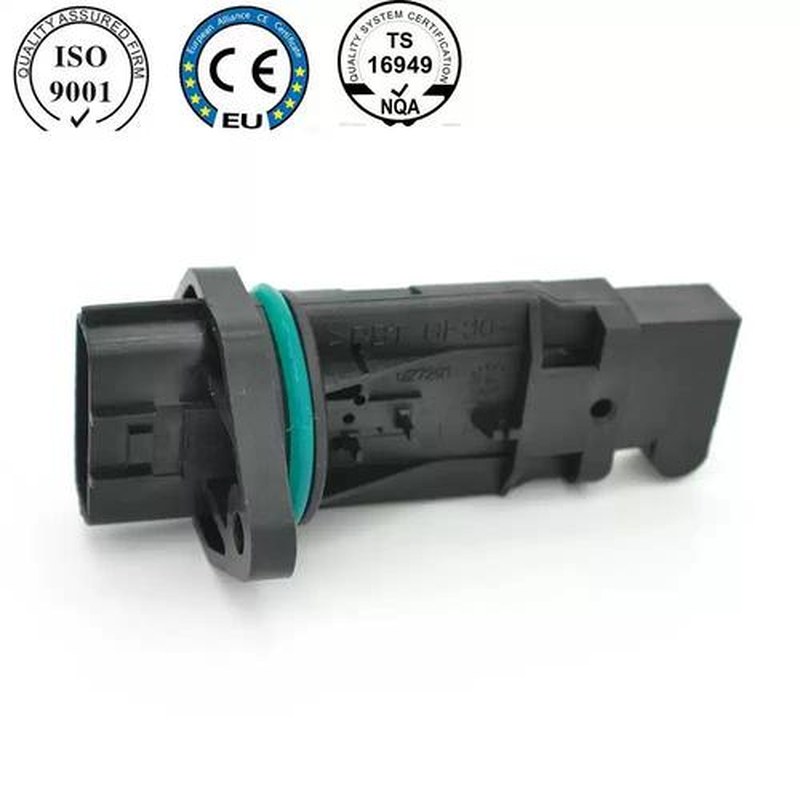
- Certifications: ISO 9001 (quality management) and IATF 16949 (automotive quality) are the standard certifications for filter manufacturers. For EU and North American markets, CE marking and specific emissions compliance may be required. Verify the required certifications for your destination market before ordering.
Sourcing Checklist for Filter Importers
Before placing your first bulk filter order, verify the following checklist items with your Chinese supplier:
- Filter application coverage: Confirm the filter covers the specific vehicle makes, models, and engine types you intend to serve in your market. Request a vehicle application table, not just the OEM cross-reference number.
- Sample verification: Order samples (2–5 units) of your top SKUs. Verify physical fitment, thread size, seal diameter, and overall build quality against local reference parts before bulk ordering.
- Filtration media specification: Confirm the filter media material and efficiency rating. Ask for test data or certification reports for filtration efficiency and burst pressure.
- Packaging requirement: Specify packaging type (neutral, branded, OEM). Confirm MOQ for custom packaging. Verify box dimensions and unit weight for freight calculation.
- MOQ and lead time: Confirm MOQ per SKU and total order minimum. Standard lead time for Aftermarket Premium filters: 15–25 days for production. Express production: 7–10 days with premium pricing.
- Payment terms: Standard terms for new buyers: 30% deposit, 70% balance against BL copy. For established relationships: L/C at sight or D/P. Avoid 100% advance payment to unknown suppliers.
- Warranty policy: Agree on a defect rate threshold (typically 0.5–1.5% acceptable defect rate) and a process for handling warranty claims — replacement, credit note, or refund.
- Documentation: Ensure the supplier provides: commercial invoice, packing list, certificate of origin (Form E for China-ASEAN FTA, Form F for China-Pakistan FTA where applicable), and quality inspection certificate.
FAQ
Q: What is the difference between a spin-on oil filter and a cartridge (metal-free) oil filter?
A: A spin-on oil filter contains the filter media inside a metal housing that is threaded onto the engine block — it is replaced as a complete unit. A cartridge oil filter uses a metal-free disposable element that sits inside a permanent housing on the engine. Both perform the same function; the difference is in the replacement procedure and the housing design of the specific engine. Always verify which type your target vehicles use before sourcing.
Q: Can I source filters for Chinese-brand vehicles (Geely, BYD, MG, Chery) from China?
A: Yes, and this is a growing opportunity. As Chinese-brand vehicles have gained significant market share in Africa, Southeast Asia, and Latin America since 2022, the aftermarket demand for filters for these brands is expanding rapidly. Chinese-market filters for Geely Emgrand, BYD Dolphin, MG5, and Chery Tiggo are readily available from the same manufacturers that supply the OE market. The key challenge is that some Chinese domestic-market filters use non-standard dimensions — always verify physical fitment with samples.
Q: What is the minimum order quantity for sourcing filters from China?
A: The MOQ depends on the supplier type. Manufacturer direct: 500–2,000 units per SKU. Trading companies (like Kingmay): 10–50 units per SKU, with a total order minimum of 50–100 units across all SKUs. For market testing or mixed SKUs, the trading company model is strongly recommended.
Q: How many filters fit in a 20-foot container?
A: A 20-foot standard container holds approximately 4,000–8,000 filter units depending on the filter type (small cabin filters pack more densely than large diesel fuel filters) and packaging format. In practice, most buyers shipping a mixed filter catalog load 3,000–5,000 units in a 20ft container alongside other auto parts.
Q: Do I need special certifications to import filters to my country?
A: Requirements vary by country. Most African and Asian markets require a Certificate of Origin and commercial invoice with HS Code 8421 (filters for motors/engines). Some markets require specific quality certification marks. Check with your customs broker or national standards authority for specific requirements in your destination country.
Source Auto Filters from Kingmay Auto Parts
Kingmay Auto Parts supplies oil filters, air filters, fuel filters, and cabin filters for passenger car, light commercial, and heavy-duty diesel applications — sourced from ISO 9001/IATF 16949-certified factories in China and shipped from Nansha Port, Guangzhou. We serve auto parts wholesalers, distributors, and workshops in 50+ countries with competitive FOB pricing, flexible MOQ starting at 10 pieces per SKU, and reliable quality backed by 13 years of industry experience.
WhatsApp our parts team for a filter quotation →
Send us your vehicle application list →
Browse our complete filter catalog by vehicle →
Verify Part Numbers in Our OE Library
Every part covered in this guide has a matching OE number in our reference library — grouped by system with cross-references, so you can source the exact fit for Hyundai, Kia, GM Korea and more.
Related Articles


Related Products
From our Engine System catalog — 4 products ready for export


